Sunday, 15 August 2010

Noir Inc.


My friends and colleagues, the Czar of film noir, Eddie Muller, and Alan K. Rode discuss their mission of rescuing film noir heritage of American cinema in a recent TCM short.


Saturday, 14 August 2010

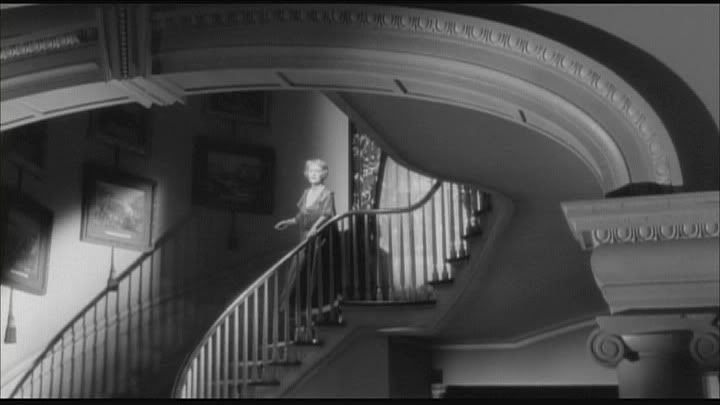
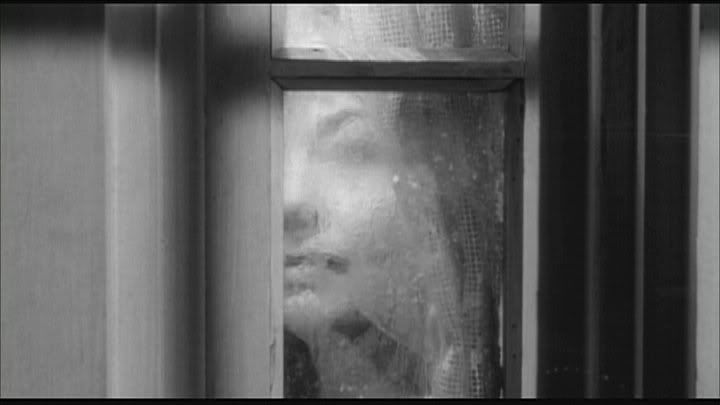
Insane Stairs

Hush...Hush, Sweet Charlotte (1964)/D: Robert Aldrich/A.D.: William Glasgow

The Servant (1963) /D: Joseph Losey/Production Design:Richard Macdonald

.

Thursday, 12 August 2010

I'm a Poor Writer: Curt Siodmak on Siodmaks


Curt Siodmak (1902-2000) was a novelist and screenwriter, author of the novel Donovan's Brain, which was made into a number of films and the brother of great emigre director Robert Siodmak. His first horror credit was The Invisible Man Returns (1940), and he followed this with two Boris Karloff vehicles, Black Friday (1940) and The Ape (1940). he wrote famous I Walked with a Zombie (1943) for producer Val Lewton and director Jacques Tourneur.

Siodmak also directed some less than impressive low budget monster movies, including Bride of the Gorilla (1951), The Magnetic Monster (1953), and Curucu, Beast of the Amazon (1956). His final significant genre credit was for Terence Fisher’s German production Sherlock Holmes and the Necklace of Death (1962).His novel I, Gabriel was published in Germany, and afterward many of his early novels came back into print. Also, he's written an opera, Song of Frankenstein, and a play about Jack the Ripper.

Tuesday, 3 August 2010

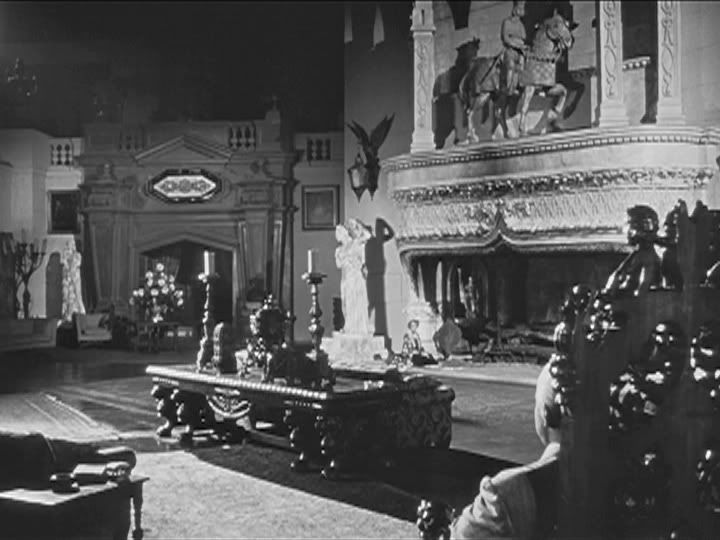
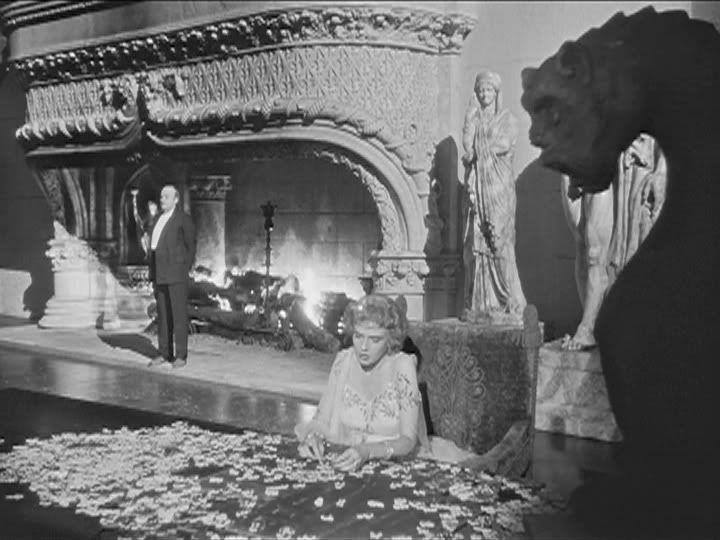
Untitled Frame From Hush...Hush, Sweet Charlotte


Hush...Hush, Sweet Charlotte (1964) /Dir: Robert Aldrich/Cinematography: Joseph F. Biroc

see rest of the game, here.

Monday, 2 August 2010

Saturday, 31 July 2010

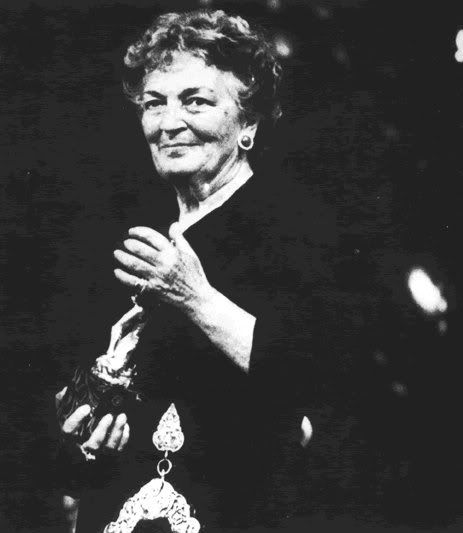
Suso Cecchi d'Amico (1914-2010)

Lady Suso Cecchi d’Amico, the writer of many masterpieces in Italian post-war cinema passed away today, at the age of 96. She was known for her collaborations with Visconti, Castellani, Zampa, Lattuada, Blasetti, De Sica (including Bicycle Thieves), Comencini, Camerini, Antonioni, Monicelli, Rosi, Zeffirelli and Clément. Her works embodies the development of postwar Italian cinema and "her scripts achieve a certain ‘‘transparency,’’ becoming all-but-inextricable from the finished film itself," as Verina Glaessner sums up d'Amico's very long and prolific career. "She has all too modestly described her work as akin to that of the artisan. This emphasizes her professionalism, the literate wellcraftedness of her scripts, and her endless adaptability to the contrasting needs of filmmakers working within competing stylistic conventions."