
Sunday, 10 October 2010
Friday, 8 October 2010
Roy Ward Baker (1916-2010)
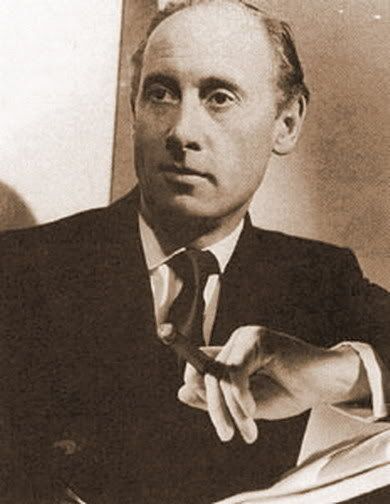
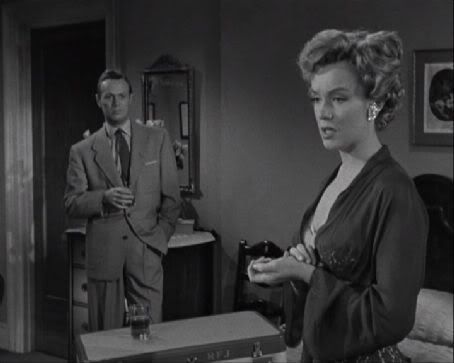
One of my greatest cinematic experiences as a 10 year old boy was watching Roy Ward Baker's A Night to Remember (1958) on TV. Those days there wasn no way to watch old films in Iran and the only chance was waiting for a Friday afternoon movie, always worn-out copies and heavily censored, just to have a taste of what supposed to be Classic Films. A Night to Remember is still best imaginable titanic story. Better than German 1943 propaganda film. and definitely better than billion dollar kitsch of James Cameron (I haven't seen Jean Negulesco's 1953 version). Later on, I saw Don't Bother to Knock (1952) and it revealed that Baker has an assured ability to impose a distinctive style in almost any genre.
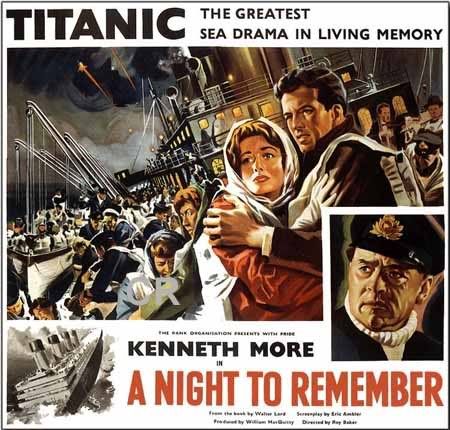
Roy Ward Baker was born in London on 19 December 1916, he entered the film industry in 1933 with Gainsborough and followed the classic industry career path, working his way up from tea-boy to runner and eventually assistant director. During the Second World War he worked with the Army Kinematograph Unit where he met the writer and producer Eric Ambler who was to give him his first feature credit as director on The October Man (1947) [which I'm impatiently waiting to see]. This striking debut established many of the qualities which were to distinguish Baker’s best work. The film’s complex, noirish plot is taughtly controlled, the visual style is lean but atmospheric and there is a detailed sense of both place and time. Baker also draws an unusually ambiguous performance from John Mills as the psychologically troubled central character who is accused of murder.

The success of his Second World War submarine drama Morning Departure (1950) was to take him briefly to Hollywood. He directed 3 film noirs there, one of them a classic: Don't Bother to Knock about Richard Widmark meeting a beautiful and innocent, but deadly Marilyn Monroe. He even made a noir in 3D with a collaboration with cinematographer Lucien Ballard. The film is called Inferno (1953) about ruthless Robert Ryan who is left for dead in the desert by scheming wife and her lover.
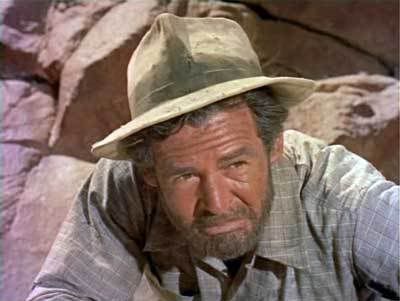
Baker spent the last active years of his career in television. When he died at the age of 93, "Shifts in critical taste have seen his reputation change radically from that of efficient studio craftsman to near cult status as a genre stylist," as Robert Shail summarizes Baker's career in Critical Guide of British Film Directors.

Wednesday, 6 October 2010
In Memory of Arthur Penn (1922-2010)
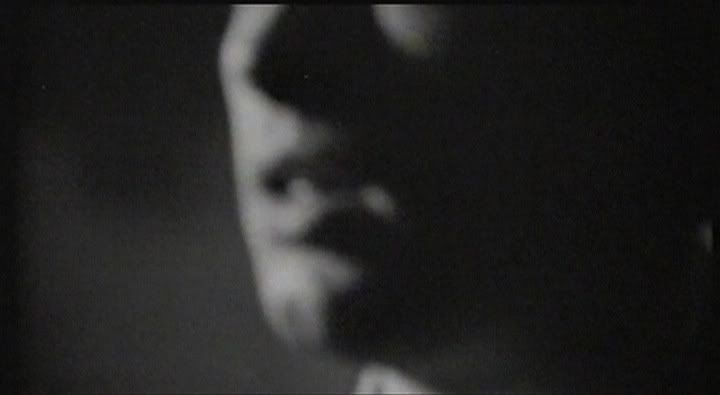
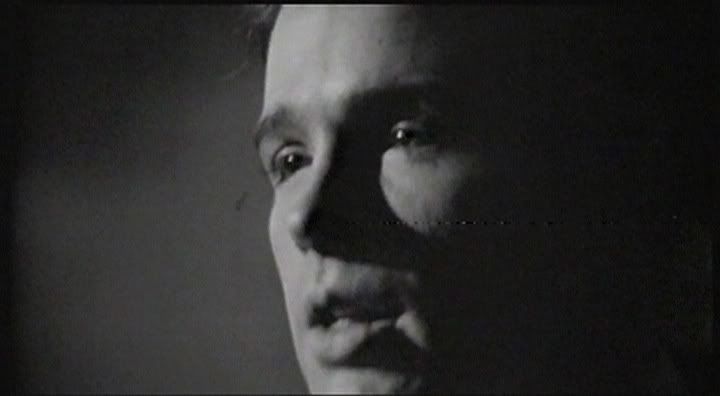
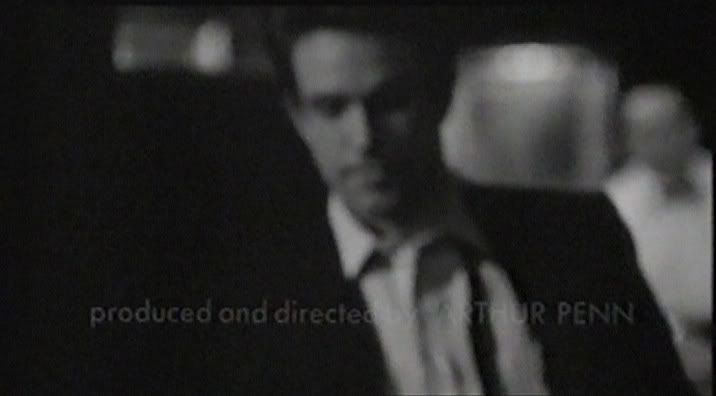
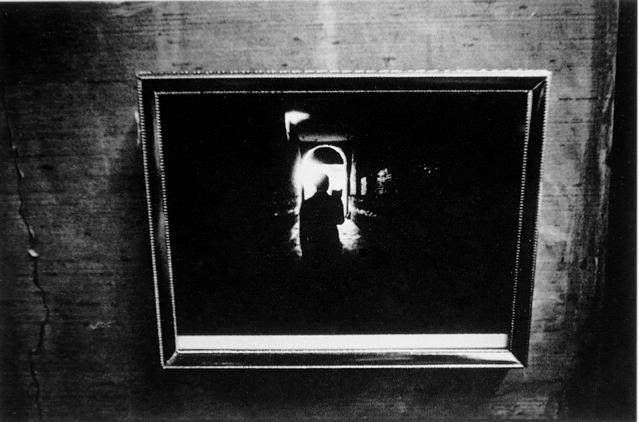
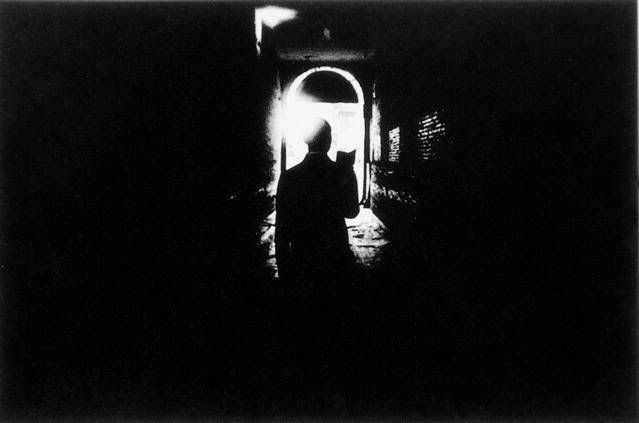
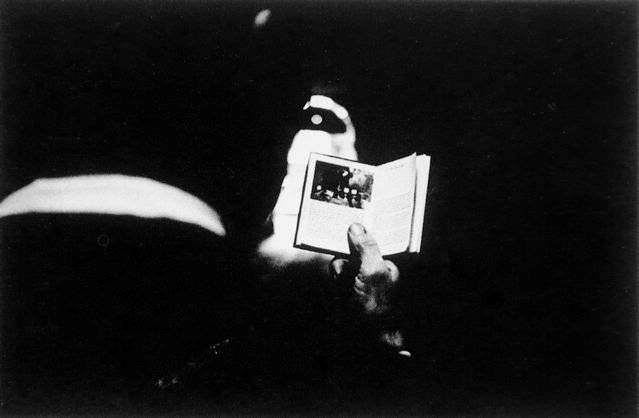
Three shots from Micky One (1965), directed by Arthur Penn, cinematography by Ghislain Cloquet
يادداشتي كه به مناسبت مرگ آرتور پن نوشتهام را در شماره آينده (آبان) ماهنامه فيلم بخوانيد. به اضافه يادداشتي درباره ميكي وان در همان شماره و در صفحه بازخوانيها.
Tuesday, 5 October 2010
Rediscovering "Zoo in Budapest" (1933)
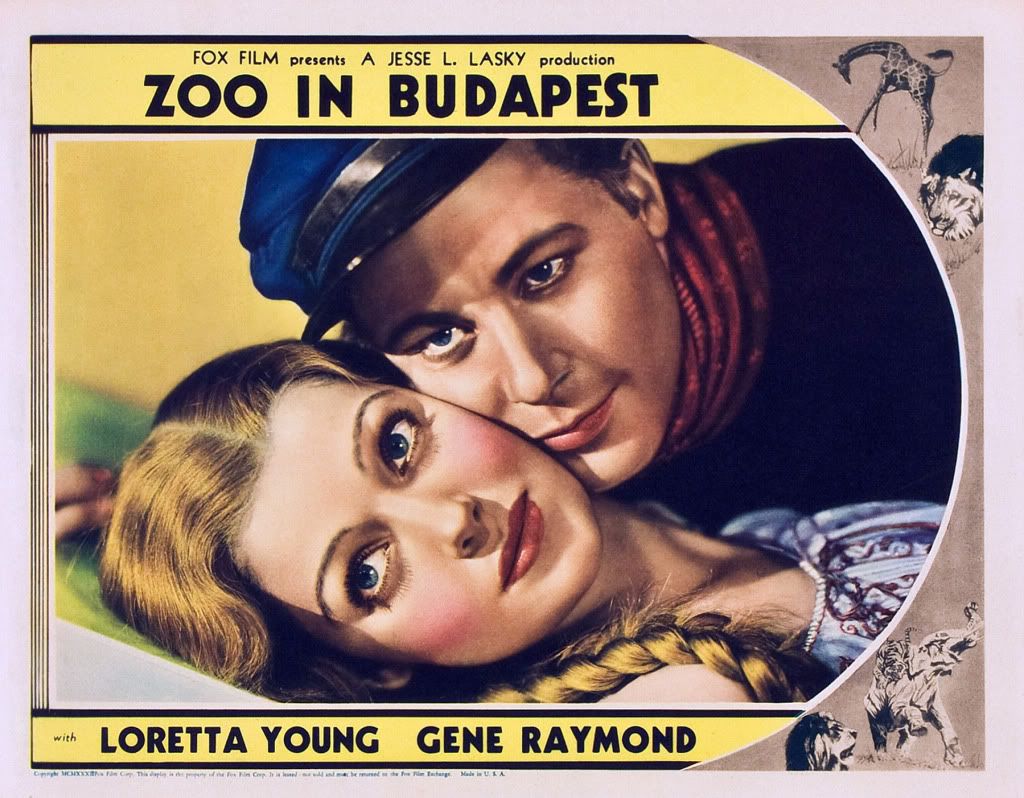
If I’ve learned one great lesson from Andrew Sarris about American films, that would be the perpetuality of their 1930s cinema; that discoveries never ends and there are always more to see and more to read.
And Zoo in Budapest is one of those forgotten pieces of filmmaking that every little bit of it now belongs to the dusty backroom of non-official history of motion pictures; a minor masterpiece with a quaint European accent and a poetic narrative about returning to the instinctive life, when America was drowning in the worst days of great depression.
This was Jesse L. Lasky's first production for Fox. His first choice for directing was James Cruze but he was busy with Tars and Feathers, which was released as Sailor, Be Good!, thus Lasky signed Rowland V. Lee (1891-1975). Lee, a modest professional of the golden age, rewrote the script (adapted from a book by Melville Baker and John Kirkland), and maybe it was his touch that changed the fate of the picture. Whereas most writer-directors of early talking period tended to dialogue-based mise-en-scene, he created a film with a haunting imagery that makes dialogue completely gratuitous.
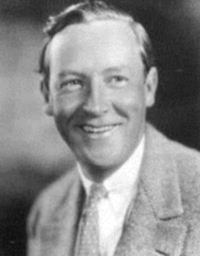 Rowland V. Lee
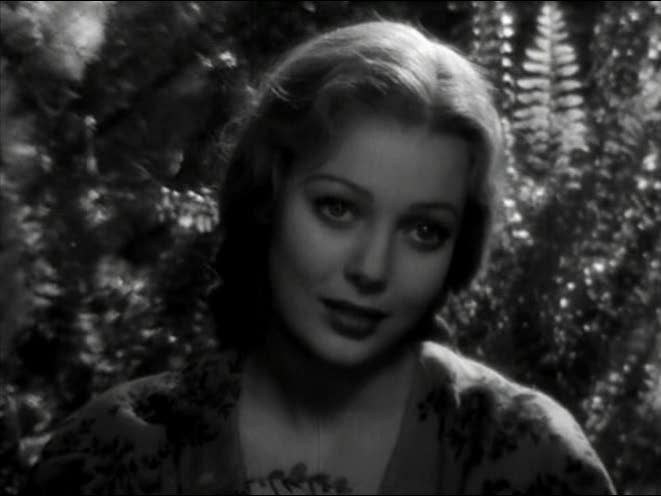
The story focus on three refugees who find themselves trapped in a zoo overnight. One is Eve, an orphan girl (played by the borrowed Warner Bros. star, Loretta Young) trying to escape the orphanage before she is bonded out to someone, the second Zani, an employee and friend and play-fellow of the beasts of the cages (played by Gene Raymond, a newcomer with only one or two pictures in his career at that time), whose habit of stealing and burning fur coats from the visitors has often gotten him in trouble with the law and finally made him a fugitive, and the third a young boy who escapes from his nanny so he can ride the elephant at the zoo. Zani and girl fall in love and soon the small boy joins them in their hideout. Soon after, a search party organizes to capture Zani, Eve and the boy. The vicious zookeeper Heinie discovers them; he draws the authorities' attention to their hideout. Zani saves Eve from an attack by Heinie. More scuffles ensue and cause many dangerous animals to escape their cages. Zani redeems himself by saving a young child from a hungry tiger.
The story, meticulously, takes place in less than 24 hours and almost entirely in a zoo. By implementing the classical unities, Lee creates a tense drama that before reaching its predictable happy end, impressively maneuvers in the territory of surrealism and fairy tale.
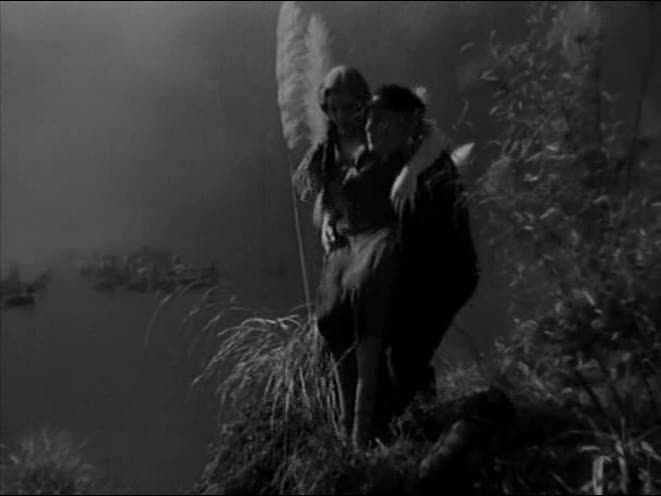 Always a Sternbergian sense
Lee's dense compositions and sense of overcrowded space, and also the way he treats sexuality, can only be compared to those of Josef Von Sternberg. There is a spellbinding scene when Loretta Young gets undressed behind the grass, while birds are watching her and the river is flowing in the background. This scene only could be understood completely by a viewer who is acquainted with Sternbergian concept of love and sexuality; something unearthly and very physical at the same time, destructive and primitively beautiful and elusively indefinable.
I won’t have any objection if a great credit be given to Zoo’s cinematographer, Lee Garmes, who was also in charge of photography in many of Sternberg’s masterpieces (Morocco, Dishonored and Shanghai Express which he won an Oscar for). Garmes' black and white photography is magically luminous (this master work really deserved to be shown at Los Angeles International Film Exposition as a part of the "tribute to the art of cinematography”, March 28 April 9, 1974).
Simultaneously, Lee’s soft expressionistic attitude emphasizes the simple storyline, and even gives a sense of complexity to the events, starting from a fast-tempo tour of the zoo (according to the documents, 311 animals and birds were rented!) and ending with the beasts’ riot.
The zoo is like a Grand Hotel or Rick’s café, a miniature of the world, but an allegorical language is more evident here. There is a constant cinematic comparison between humans and animals, and the character in between, the half human-half beast Zani. First time that we saw Heinie, there is an intercut between him and a jackal; it takes only less than a second to understand he is the heavy of the film and the rascal of this zoo. In this scene he throws his cigarette at a tiger in the cage. Lee simply uses this very Kantian idea that who is cruel to animals becomes hard also in his dealings with men. Half a century later, Emir Kusturica filled the screen with the same reliance to the world of inhuman and in Underground the zoo became a representation of instinctive life that being outside of it means war, death and destruction.

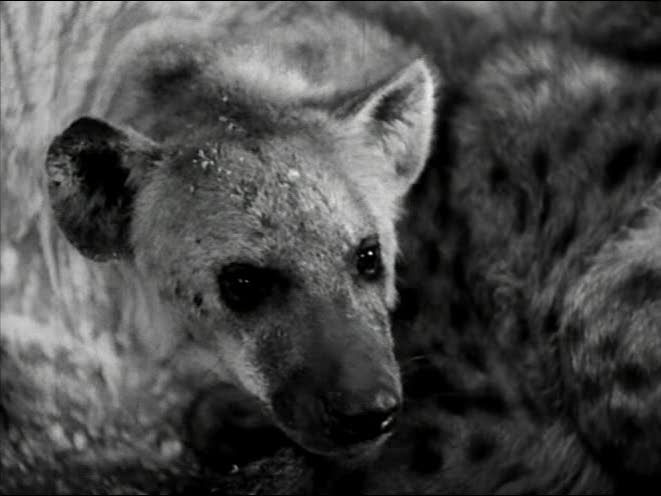 Zoo in Budapest: Animal's grand hotel!
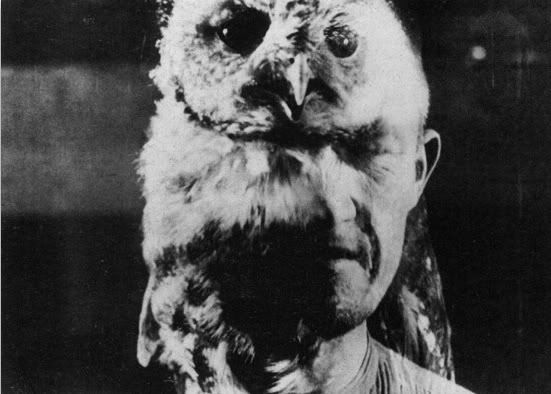 S. M. Eisenstein's Strike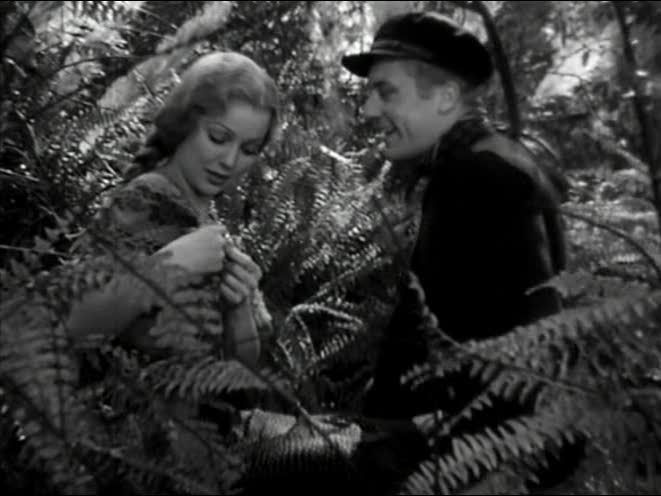
One of the most amazing finales in history of cinema comes when animals get loose and run free. Incredible shots of mad creatures, ravings and roars and tigers on the back of elephants! More than usual beast- exhibition of the Hollywood safari films, it’s a surrealistic painting in motion, with an apocalyptic underline, victory of absolute chaos and defeat of human order and his dying morals.
The film was ignored at the time of first screening ("…this slant is but vaguely suggested and is never worked out satisfactorily", Said Variety). Lee is technically in the same league with those who dared to move heavy cameras and get rid of ball and chain of sound recording system. Zoo in Budapest thematically is the child of depression era, it has all escapist elements plus all social issues that you are expecting from a serious drama or an awakening gangster picture of the 1930s. It is also a great example of rising the German taste in Hollywood, and not necessarily among the émigré directors. Cinema of 1930s because of all kinds of technical and aesthetic inventions was a period of unpredictability and experimentation , and this film, once again reminds us of how thirties is still full of surprises and undiscovered territories.
-- Ehsan Khoshbakht
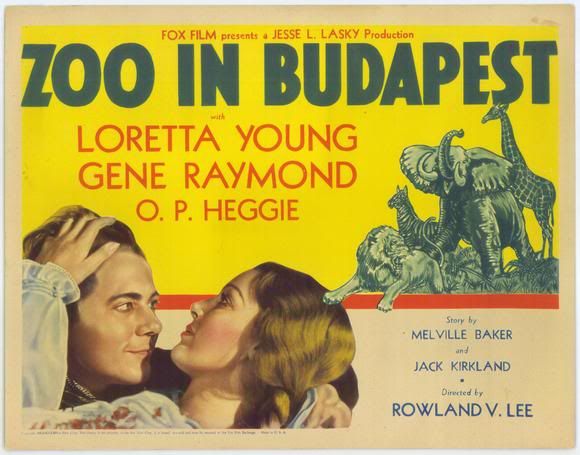
Director: Rowland V. Lee
Cinematography: Lee Garmes
Editor: Harold D. Schuster
Art Director: William S. Darling
Cast: Loretta Young, Gene Raymond, O. P. Heggie, Wally Albright, Paul Fix, Murray Kinnell, Ruth Warren, Roy Stewart, Frances Rich, Niles Welch, Lucille Ward.
Production Dates: 9 Jan--early Feb 1933
Release Date: 28 Apr 1933; Black and White; 82 or 85; Fox Film Corp.
Saturday, 2 October 2010

Saturday, 18 September 2010
Friday, 17 September 2010
High Society Stairs
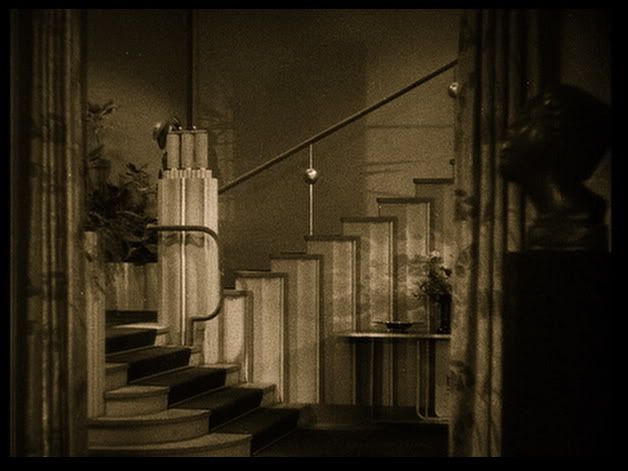 One Hour with You (1932)/Direction: Ernst Lubitsch /Art Direction: Hans Dreier
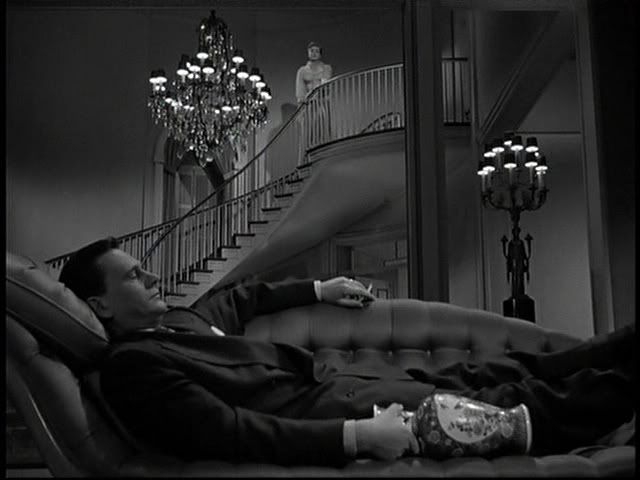 Harriet Craig (1950)/D: Vincent Sherman/A.D.:Walter Holscher
 5th Ave Girl (1939)/D: Gregory La Cava/A.D.: Van Nest Polglase
Subscribe to:
Posts (Atom)