Thursday, 14 February 2013

Jean-Pierre Melville: An American in Paris [Book Review]

يادداشتي بر كتاب «ژان پير ملويل: يك آمريكايي در پاريس» نوشتۀ ژينت ونساندو

نهنگِ سفيدِ ملويل

در 26 نوامبر 1987 خياباني در مركز شهر كوچك بلفور در شرق فرانسه داشت به نام ژان پير ملويل نام‌گذاري مي‌شد، شهري كه ملويل ريشه‌هايي خانوادگي در آن داشت، گرچه تمام عمرش به‌عنوان يك پاريسي از او ياد مي‌شد. شهردار كه مشغول پرده‌برداري از تابلوي تازه خيابان بود، در سخنراني‌اش، كه مي‌تواند درسي براي تمام شهرداران باشد، به شوخي گفت كه درستش اين بود ما خيابان خلوت و محزوني را در حومۀ شهر به ياد ملويل نام‌گذاري مي‌كرديم. حتي شهردارِ بلفور هم مي‌دانست كه سينماي ملويل از نظر مكان و فضا دقيقاً مترادف با چيست.
با وجود شهرت فراگير ملويل كه با توزيع گستردۀ دي‌وي‌دي فيلم‌هاي او و نمايش دوبارۀ چند فيلمش در اين سال‌ها به بالاترين حد خود از اوايل دهۀ 1970 رسيده، براي خواندن كتابي تحيلي بر آثار او (به زبان انگليسي) بايد سال‌هاي زيادي منتظر مي‌مانديم. خانم ژینت ونساندو، محقق سینمایی فرانسوی-بریتانیایی، نويسندۀ اين كتاب تازه و استثنايي، ژان پير ملويل: يك آمريكايي در پاريس، است.

Tuesday, 5 February 2013

Jazz In High Heels


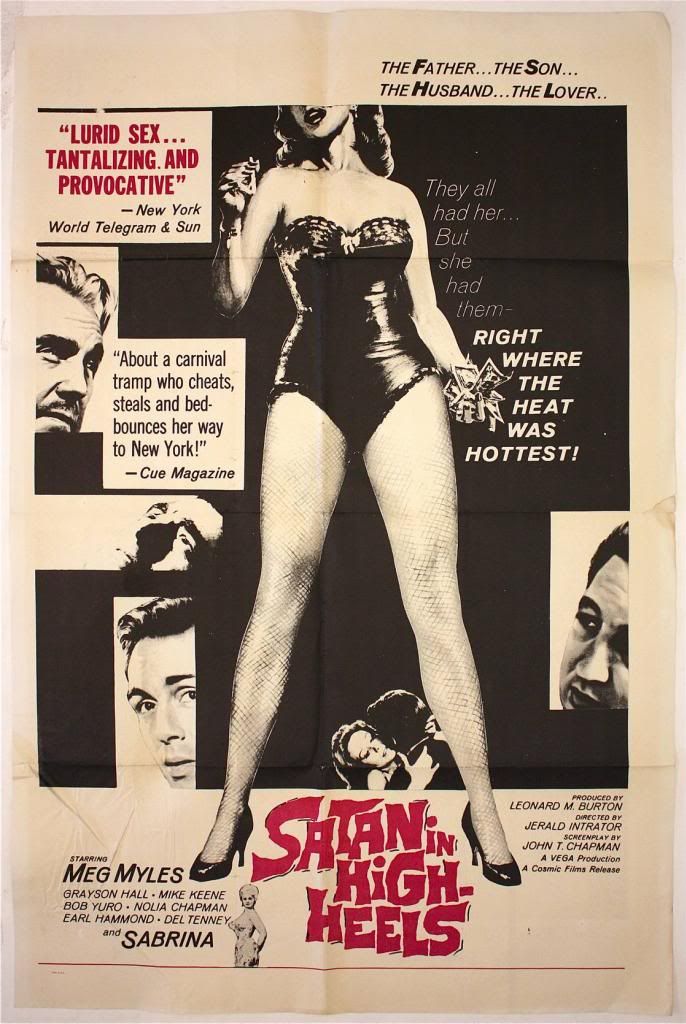
To avoid any misunderstanding, this post is going to be about film music, but I would like to start the story from an "improper" point which is charged with some risque themes - this point is a shot.

The shot below, from the opening credit of Satan In High Heels (1962) takes us to one of the hilarious moments of the fetishist cinema, of course, if one doesn't consider the whole film-loving affair as a fetishist obsession. What this credit-shot suggests, no matter how ridiculous, is truly justified in the film which follows: In Satan In High Heels the role of furs, leathers and lingerie which suppose to cover the voluptuous strip dancers is more significant than the work of actors or the direction. 

Monday, 4 February 2013

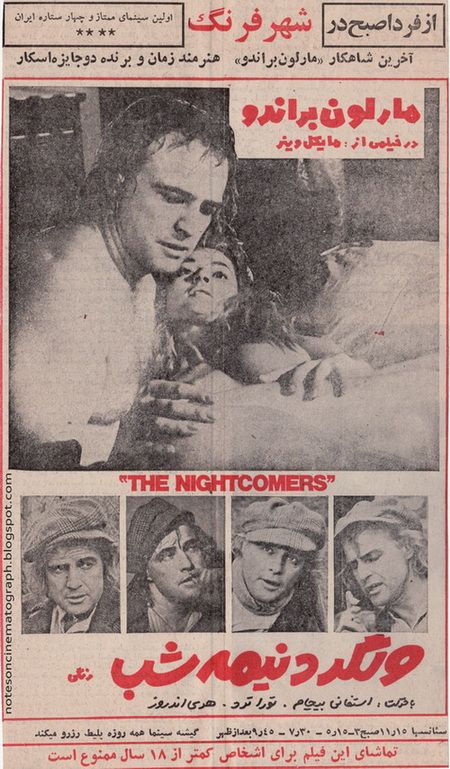
Film Ads In Iran#29: Nightcomers


The Nightcomers (1971) starring Marlon Brando and directed by Michael Winner, the English director who passed away last month, shown at the Tehran's uptown film theater Shahre Farang. Before the revolution (also after that), there was no organization for rating and certifying films in Iran (sure there was censor, but once films passed the censor, theaters had no obligation to follow any age restriction), but posters were using fake age limits as a sort of publicity. As this ad shows, the publicity campaign has used "no under-18 is allowed into the theater"  to arouse curiosity and draw more audience to the film, especially those of under eighteen! [click on the images to enlarge]

Friday, 1 February 2013

Notes on Stop For Bud


In 1963, Jørgen Leth, a Danish filmmaker (who was also a poet, art critic, controversialist and Tour de France commentator  made a short, poetic and visually stunning film about the jazz pianist Bud Powell known as Stop For Bud.

The film, without showing much of Bud's piano playing, succeeds in achieving something that is hugely missing in jazz films of today: finding the right images (to the extent that filmmaker's visual vocabulary allows) to accompany the music, a constant translation from music to cinema and vice versa.

Tuesday, 29 January 2013

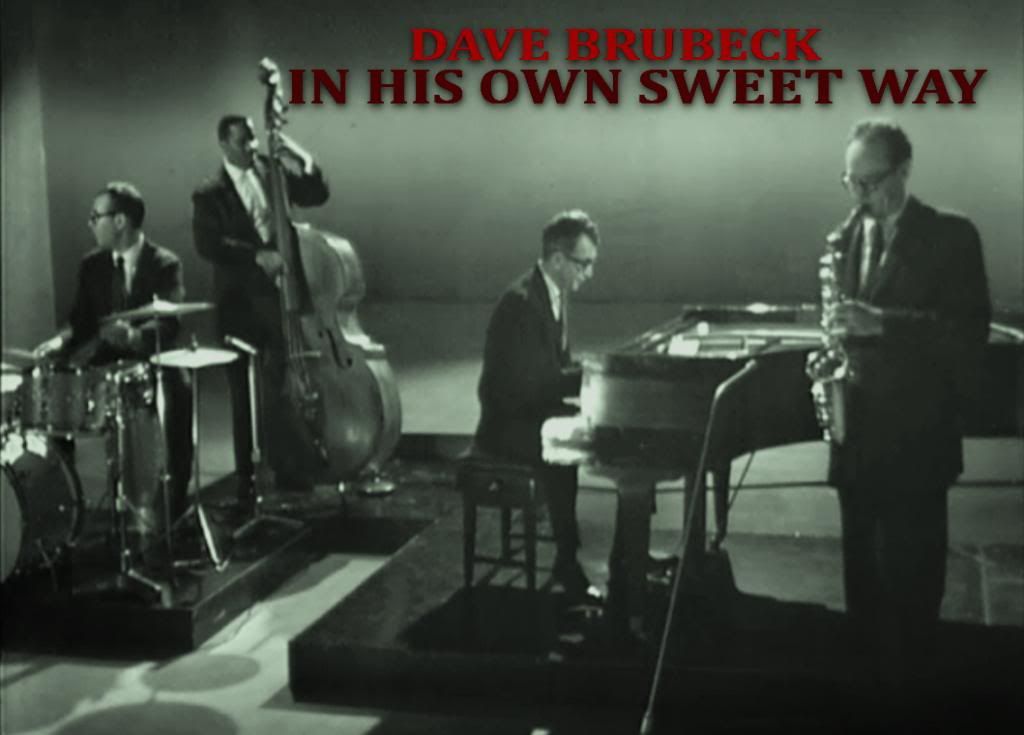
Dave Brubeck: In His Own Sweet Way


Finally I managed to catch up with the long-awaited Dave Brubeck documentary, In His Own Sweet Way, now on BBC iPlayer (online streaming in the UK). My curiosity wasn't only about Brubeck, whose music has had a part in my life, but also I was eager to see director Bruce Ricker's last film, who made the landmark jazz film The Last of the Blue Devils (1979) about the legendary travelling band of the 1930s with Count Basie, Big Joe Turner and Jo Jones.

Bruce Ricker died in May 2011, two months after Brubeck’s great drummer and collaborator Joe Morello left us. Brubeck passed away recently, after a prosperous and amazingly productive and inspiring life. The only living member of the classic quartet is Eugene Wright whose powerful and subtle rhythmic support is the most overlooked, whenever the subject is Brubeck’s music...

Sunday, 27 January 2013

Lang to King; Fellini to Fosse


هنر اروپايي، سرگرمي آمريكايي، از لانگ به كينگ، از فليني به فاسي

مادامي كه سينماي آمريكا مدنظر باشد تاريخ دوبار تكرار مي‌شود، يك بار تراژدي و يك بار موزيكال. نمونۀ اول: چرخ و فلك [Carousel] (1956)، بازسازيِ ليليوم (از فيلم‌هاي عجيب و پيچيدۀ فريتس لانگ؛ 1934) كه توسط هنري كينگ در استوديوي فاكس و در قاب سينمااسكوپ انجام شده. هر دوي آن‌ها از روي نمايش‌نامه ليليوم (1909) نوشته فِرِنك مولنار ساخته شده‌اند و شايد نتوان فيلم كينگ را دقيقاً بازسازيِ فيلمي ديگر خواند، اما كافي است سكانس اول و ميزانسن نمايش چرخ و فلك و متصدي عياش و آسمان جل آن بيلي بيگلو، و حتي لباسي كه بر تن كرده، را ببينيد تا متوجه شويد اين لانگ است كه با تصويرپردازي‌هاي خيره‌كننده‌اش دربارۀ دنياي آدمي حيوان‌صفت، اما بي‌گناه، كينگ را تحت تأثير قرار داده است. فيلم داستان لمپن بيكاره‌اي است كه با دختري معصوم ازدواج و زندگي مشتركي توأم با بي‌توجهي و آزار را شروع مي‌كند. مرد در طي يك سرقت ناموفق كشته مي‌شود، اما بعد از مرگ و در آن دنيا، براي جبران اشتباهاتش و دل‌جويي از دخترش كه بعد از مرگ او به دنيا آمده، به او فقط يك روز فرصت داده مي‌شود تا به زمين برگردد.

Thursday, 17 January 2013

It Happened in Tehran#1

Third Tehran International Film Festival, 1974
From right to left: Rouben Mamoulian, Manouchehr Anvar, Kamran Shirdel, Gillo Pontecorvo, Gabriel Figueroa, Alain Robbe-Grillet, Miklós Jancsó. (two on the far left, unidentified)