Termite art wins in the list of the best films produced in 1951, as Manny Farber assembles such list. Ignoring prestigious studio A-films and focusing on the underdog (Feist, Walsh, early Wise) and the poular genres such as western, Sci-Fi and horror, it is a triumph of the personal taste over the officially endorsed and brought-to-mainstream cinema of the producers and big companies.
Let Stevens or Kazan win their Oscars;
The Nation's Emanuel -- a life-size drip-celluloid statue of Kirk Douglas, ranting and disintegrating in the vengeful throes of death–goes to the man or men responsible for each of the following unheralded productions of 1951.
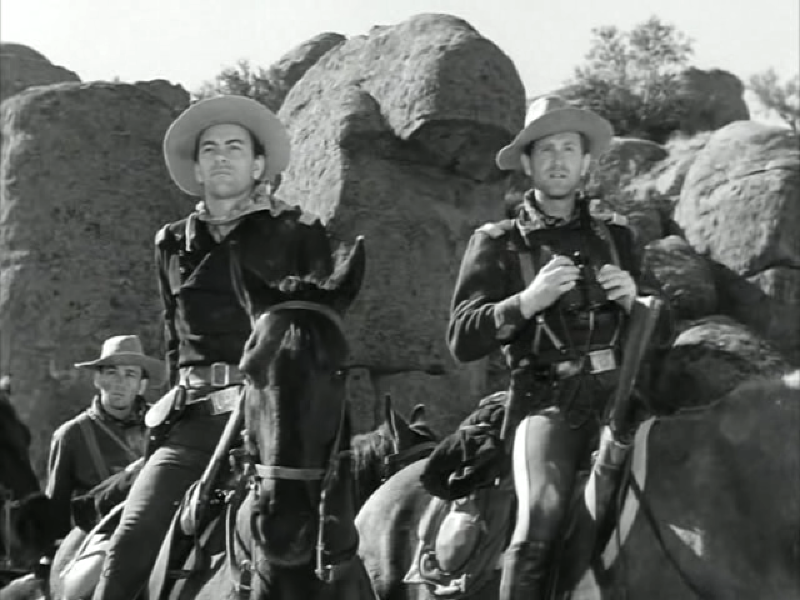
Little Big Horn. A low budget western, produced by Lippert, starring John Ireland and Lloyd Bridges. This tough-minded, unconventional, persuasive look-in on a Seventh Cavalry patrol riding inexorably through hostile territory to warn Custer about the trap Sitting Bull had set for him, was almost as good in its unpolished handling of the regular-army soldier as James Jones's big novel. For once, the men appear as individuals, rather than types -grousing, ornery, uprooted, complicated individuals, riding off to glory against their will and better judgment; working together as a team (for all their individualism) in a genuinely loose, efficient, unfriendly American style. The only naturalistic photography of the year; perhaps the best acting of the year in Ireland's graceful, somber portrait of a warmhearted but completely disillusioned lieutenant, who mayor may not have philandered with his captain's wife.
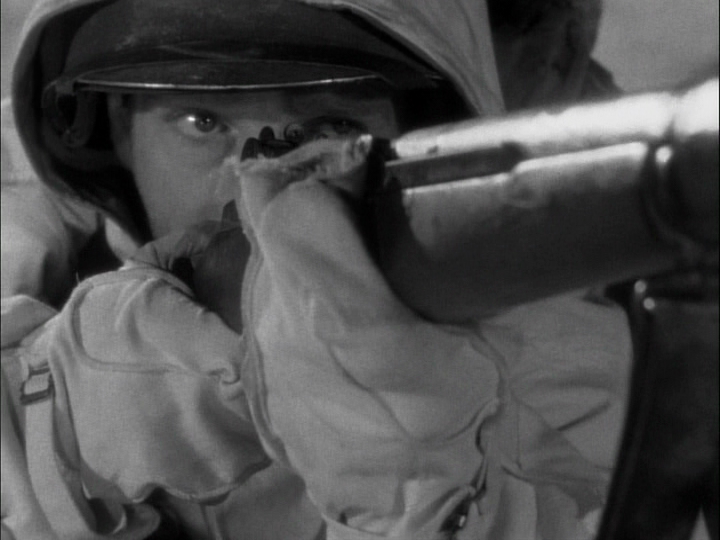
Fixed Bayonets. Sam Fuller's jagged, suspenseful, off-beat variant of the Mauldin cartoon, expanded into a full-length Korean battle movie without benefit of the usual newsreel clips. Funny, morbid -- the best war film since "Bataan". I wouldn't mind seeing it seven times.
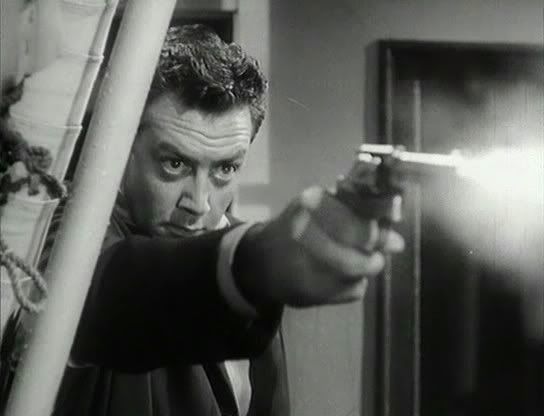
His Kind of Woman. Good coarse romantic-adventure nonsense, exploiting the expressive dead-pans of Robert Mitchum and Jane Russell, a young man and a young woman who would probably enjoy doing in real life what they have to do here for RKO. Vincent Price superb in his one right role – that of a ham actor thrown suddenly into a situation calling for high melodramatic courage. Russell's petulant, toneless rendition of "Five Little Miles From San Berdoo" is high art of a sort.
The Thing. Howard Hawks's science-fiction quickie; fast, crisp, and cheap, without any progressive-minded gospel-reading about neighborliness in the atom age; good airplane take-offs and landings; wonderful shock effects (the plants that cry for human blood as human babies cry for milk); Kenneth Tobey's fine unpolished performance as a nice, clean, lecherous American air-force officer; well-cast story, as raw and ferocious as Hawks's "Scarface", about a battle of wits near the North Pole between a screaming banshee of a vegetable and an air-force crew that jabbers away as sharply and sporadically as Jimmy Cagney moves.
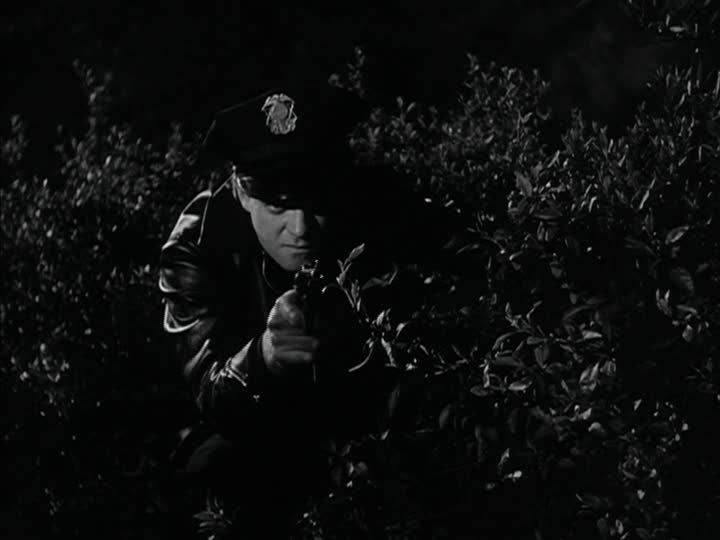
The Prowler. A tabloid melodrama of sex and avarice in suburbia, strictly out of James M. Cain, featuring almost perfect acting by Evelyn Keyes as a hot, dumb, average American babe who, finding the attentions of her disc-jockey husband beginning to pall, takes up with an amoral rookie cop (nicely hammed up by Van Heflin). Sociologically sharp on stray and hitherto untouched items like motels, athletic nostalgia, the impact of nouveau riche furnishings on an ambitious ne'er-do-well, the potentially explosive boredom of the childless, uneducated, well-to-do housewife with too much time on her hands.
The People Against O'Hara. An adroit, scholarly example of sound story-telling that every Message Boy should be made to study as an example of how good you can get when you neither slant nor over-simplify. Also highly enjoyable for its concern about a "static" subject -- the legal profession as such -- and the complete authority with which it handles soft-pedalled insights into things like the structure and routine of law offices; the politics of conviviality between cops, D.A. ‘s, judges, attorneys; the influence of bar associations; the solemn manner of memorializing the wrench caused by the death of a colleague; the painful ''homework'' of committing to memory the endless ramifications of your case, as well as the words you are going to feed the jury in the morning.
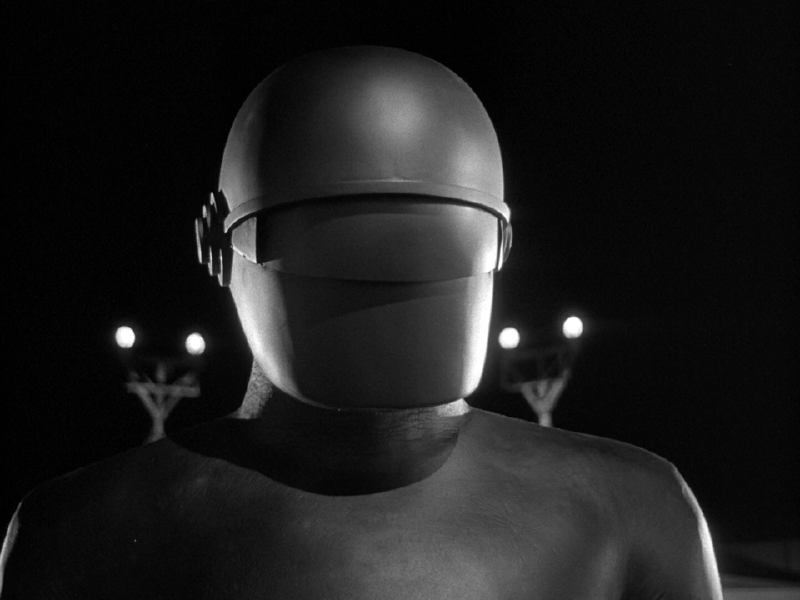
The Day the Earth Stood Still. Science-fiction again, this time, with ideals; a buoyant, imaginative filtering around in Washington, D.C., upon the arrival of a high-minded interplanetary federalist from Mars, or somewhere; matter-of-fact statements about white-collar shabby gentility in boarding-houses, offices and the like; imaginative interpretation of a rocket ship and its robot crew; good fun, for a minute, when the visitor turns off all the electricity in the world; Pat Neal good, as usual, as a young mother who believes in progressive education.
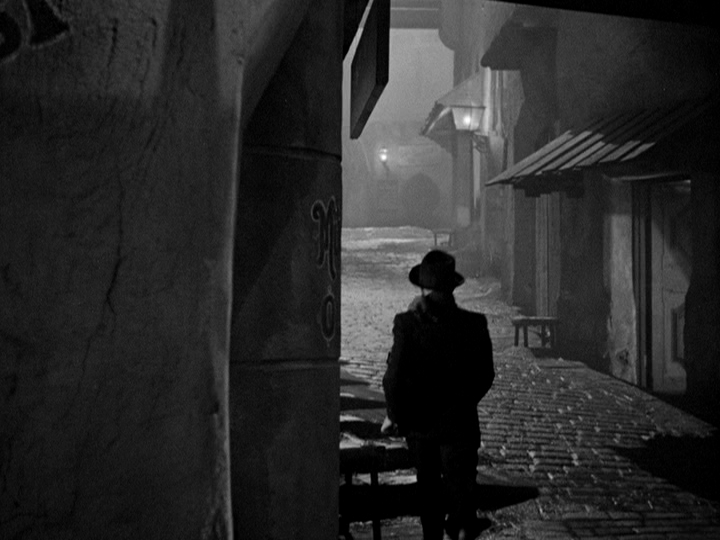
The Man Who Cheated Himself. A lightweight, O'Henry type story about a cop who hoists himself on his own petard; heavyweight acting by Jane Wyatt and Lee J. Cobb; as a consequence the only film this year to take a moderate, morally fair stand on moderately suave and immoral Americans, aged about forty. An effortlessly paced story, impressionistically coated with San Francisco's oatmeal-gray atmosphere; at the end, it wanders into an abandoned fort or prison and shows Hitchcock and Carol Reed how to sidestep hokum in a corny architectural monstrosity. Cobb packs more psychological truths about joyless American promiscuity into one ironic stare, one drag on a Cigarette, or one uninterested kiss than all the Mankiewicz heroes put together.
Background to Danger. Touch, perceptive commercial job glorifying the P-men (Post-Office sleuths), set in an authentically desolate wasteland around Gary, Indiana, crawling with pessimistic mail-robbers who act as though they'd seen too many movies like "Asphalt Jungle". Tight plotting, good casting, and sinuously droopy acting by Jan Sterling, as an easily-had broad who only really gets excited about -- and understands –waxed bop. Interesting for such sidelights as the semi-demihemi quaver of romantic attachment between the head P-man and a beautiful nun.
And, for want of further space, six-inch Emanuels to the following also-rans: "The Tall Target", "Against the Gun", "No Highway in the Sky", ''Happiest Days of Your Life", ''Rawhide'', Skelton's "Excuse My Dust", "The Enforcer", "Force of Arms", "The Wooden Horse", "Night Into Morning", ''Payment of Demand", "Cry Danger", and an anima ted cartoon - the name escapes me - about a crass, earnest herky-jerky dog that knocks its brains out trying to win a job in a Pisa pizza joint.