Sunday, 27 September 2026

Warner Bros.' Last Stereoscopic Stand


On Warner’s stereoscopic systems in the 1950s, and some new 3-D restorations premiered at Il Cinema Ritrovato 2026. – EK


In the 1950s 3-D arrived with the loud bang announcing an immersive cinema — Natural Vision, Paravision, Metrovision, and other “visions” — that would supposedly end “flat” filmmaking, but went out with the faint hiss of a flat tire. It kept being revived, except that each time nobody could sustain it for more than a couple of years, the last revival coming in the early 2010s. In the meantime, while it seems destined never to become a true cinematic mainstay, the classics of 3-D cinema continue to enjoy a cult following whenever they can be screened in their original dual-35mm format or in digitally reproduced 3-D DCPs.

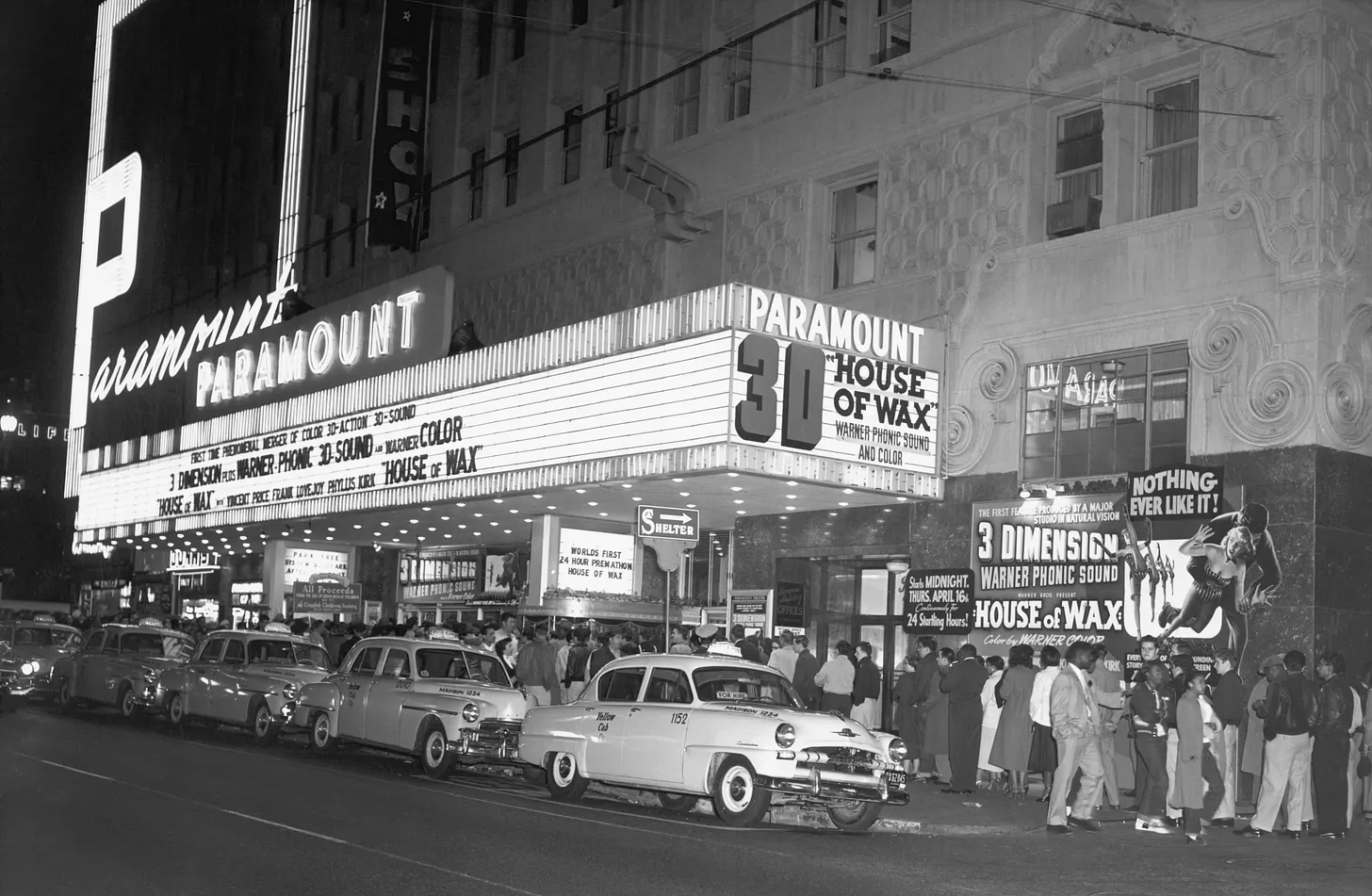
This programme (below) looks at some of the lesser-remembered 3-D output of Warner Bros that produced the most universally popular early 3-D films, House of Wax (1953). Warner soon developed its own stereoscopic system, WarnerVision – engineered by Albert W. Tondreau, Mike McGreal, and Fred Gage – with which the terrific western Hondo (1953) was shot. (I was lucky enough to see a double-projector screening of this at the Film on Film Festival at BFI Southbank, and I must say I prefer it to digital reproductions of the 3-D system.)

Warner was also responsible for producing some of the more artistic and less gimmicky 3-D films, such as Hitchcock’s Dial M for Murder, released in 1954, just as the format was rapidly falling out of fashion by the end of the year. The two main directors represented here, Andre De Toth and Roy Del Ruth, not only have their names rhyme, but also their cinematic sensibility: unabashed shockers displaying a keen understanding of sets and movement.

Monday, 21 September 2026

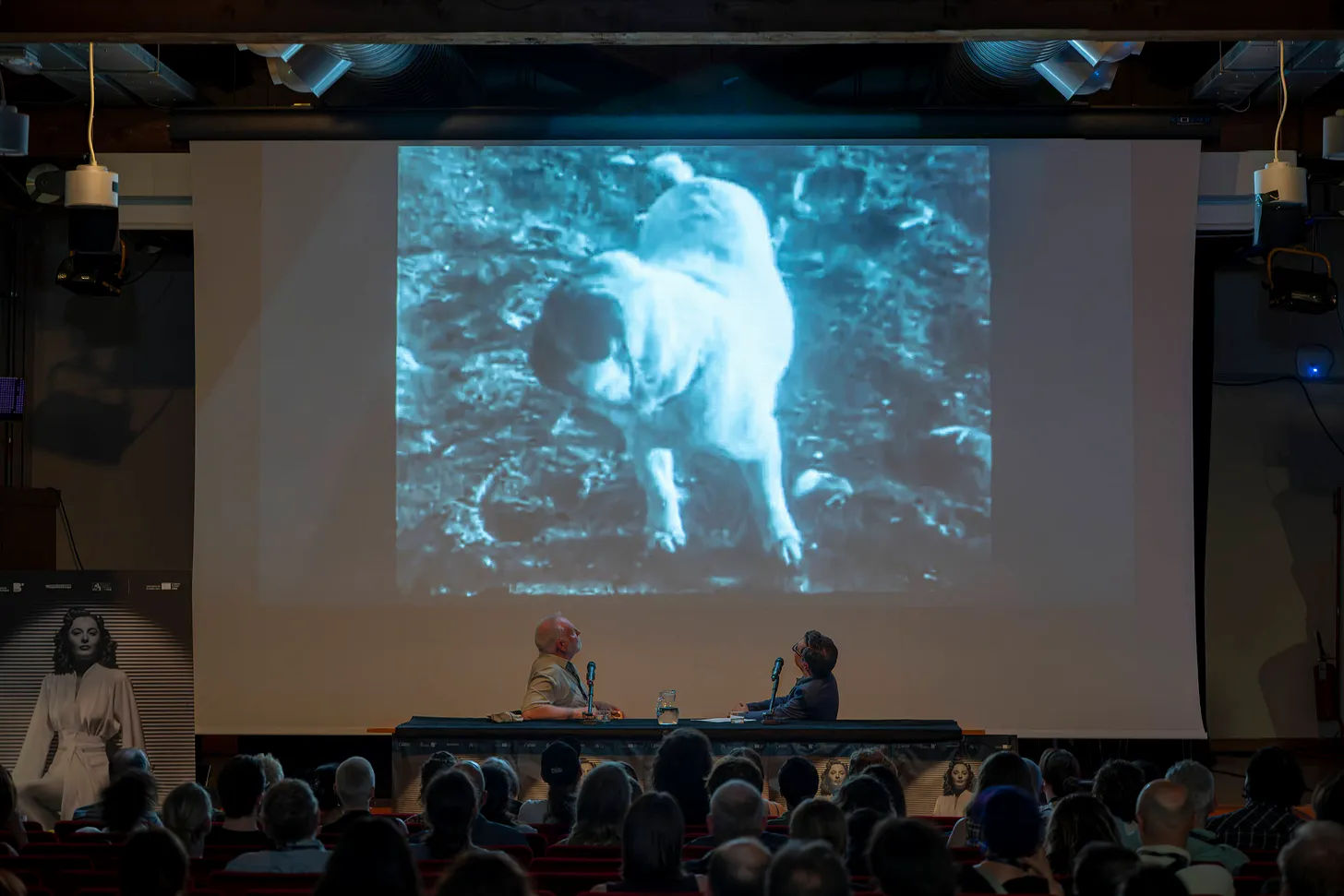
"Fabrizio, That’s Enough!" – A Conversation with Guy Maddin

Photo © Valerio Greco

Below is the introduction I gave to welcome Guy Maddin on stage, followed by a video recording of our conversation, which you can watch below.

Thursday, 10 September 2026

Cinema at 33⅓ RPM: Movie Themes Interpreted by Jazz Musicians


A slightly different edit of a piece originally published in MUBI Notebook in June 2015. Click on each title for the YouTube links. — EK


Jazz has long demonstrated its capacity to borrow from various, sometimes contradictory sources in order to create something that transcends the original elements. Since the earliest days of jazz, it has been inspired by military and funeral marches; has stylishly interpreted popular songs; and even brought the classical intricacies of Wagner and Bartok into the domain of swinging brasses and reeds. This multiculturalism and eclecticism of jazz makes it akin to cinema which, in turn, has transformed pop culture motifs into something close to the sublime and mixed ‘high’ and ‘low’ artistic gestures to remarkable effect.

In the history of jazz, the evolution from ragtime or traditional tunes, to discovering the treasure trove of Broadway songs was fast and smooth. As for American cinema, the emergence of ‘talkies’ meant rediscovering Broadway, its stars and directors, and above all its musicals and their songs. In the 1930s, jazz became cinema's rival in extracting tunes from the American theatre and transforming them into immortal standards. Both film and jazz used popular songs as a structuring framework, around which band leaders, musicians, directors and choreographers could develop more sophisticated and occasionally daring ideas.

Just as the emergence of television began to make itself felt at picture houses across the States, where declining attendance figures reflected a shift in the culture, jazz experienced a similar deadlock which contributed to the decline of the big bands. The effects of the war for returning Americans overseas, and the new possibilities for enjoying entertainment in the home gave rise to very different strategies of survival: The film studios began to produce more sumptuous, glossy and costlier motion pictures to overshadow television, while jazz bands were downsized, becoming more intimate – or “indie”, if you like. Instead of big bands, modest outfits of three to six musicians was jazz’s answer to the times. In this respect, one might find the origins of John Cassavetes and 1960s independent cinema not only in Hollywood, but in the Coleman Hawkins Quartet.

Monday, 7 September 2026

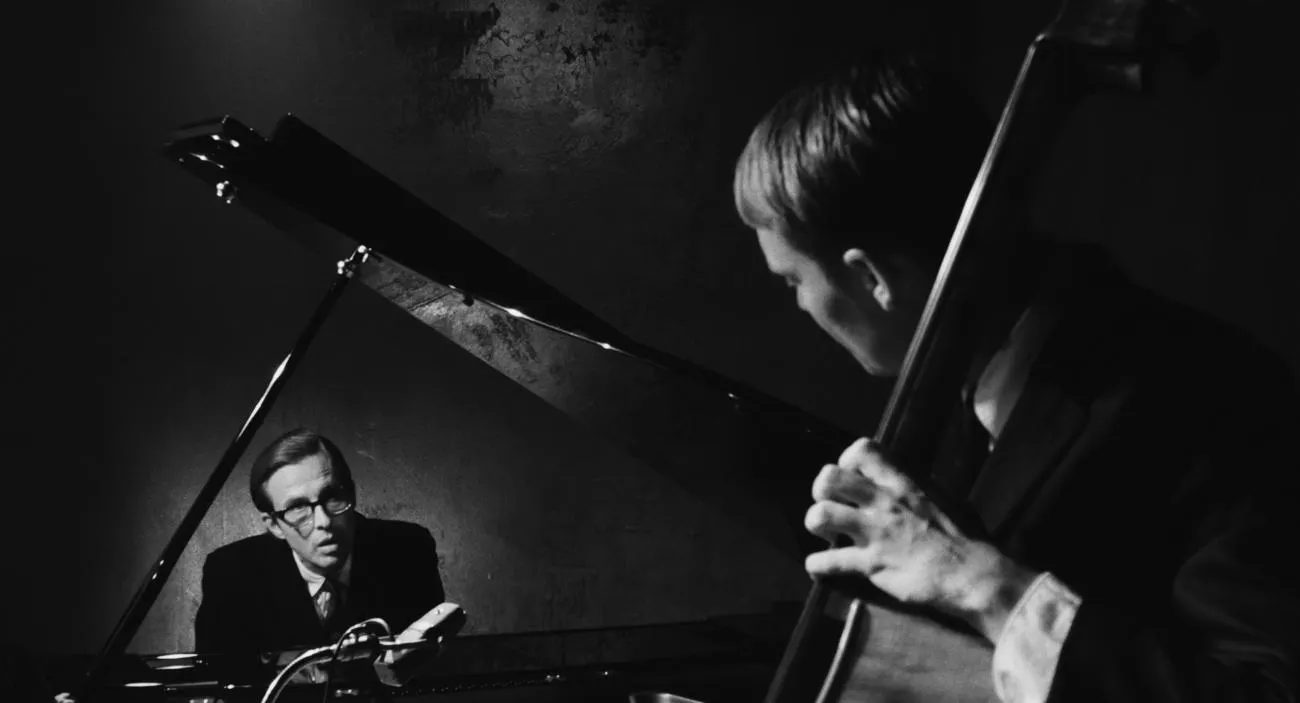
Film review: Everybody Digs Bill Evans

Review published in the October issue of Sight & Sound under the title A Gentle Sonata of Loss. — EK


Three Suicides and an Album


Synopsis: 

At the height of his fame, tragedy strikes when jazz pianist Bill Evans loses his bassist, Scott LaFaro, in a car accident. Already battered by drug addiction, the devastated Evans seeks refuge with his family, struggling to piece both his life and himself back together.