Friday, 30 March 2012

Film Journals#2: Bright Lights


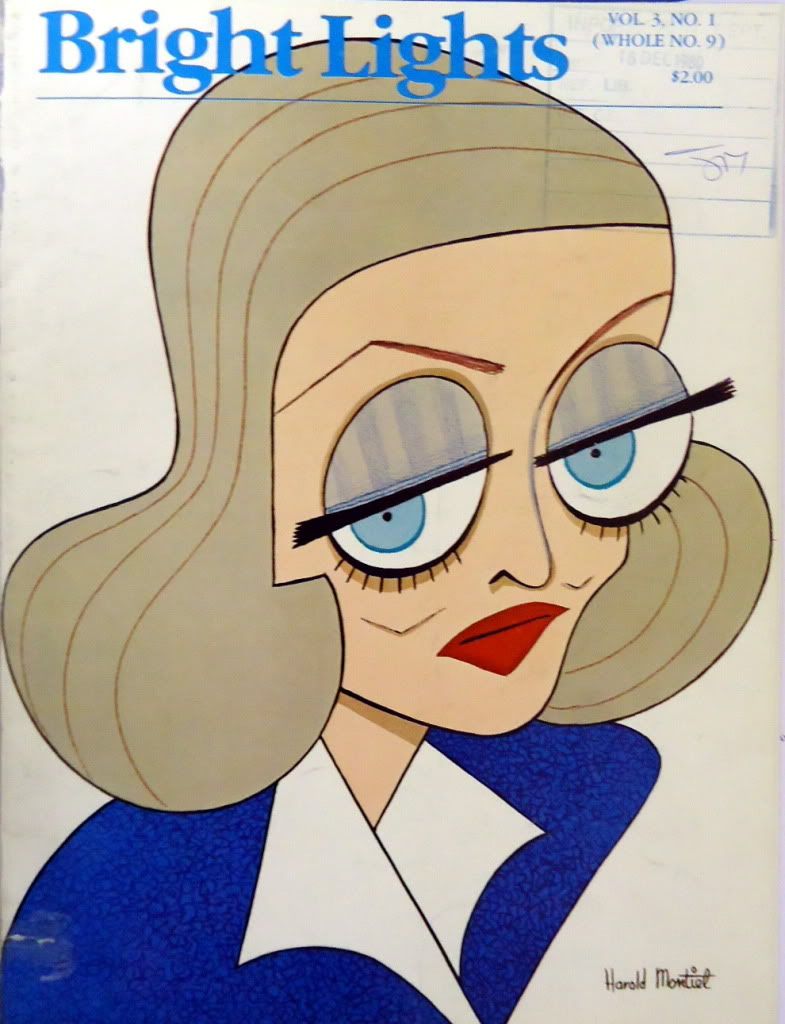
Long before the outstanding online film journal, Bright Lights, there was a glossy magazine with a chic collection of stills which were published in every issue, and a good variety of the articles.

Bright Lights film journal established in 1974, it was discontinued in 1980 to be restarted and re-discontinued in 1993 and 1995 respectively. The magazine moved to online publishing in 1996.

Frankly Reviewd

                                                                                                   
نقد و معرفي كتاب صادقانه بگم عزيزم: نگاهي دوباره به بربادرفته در ماهنامه سينمايي 24

Wednesday, 28 March 2012

A Chat With Laura Groves


I met Laura Groves in the last year's London International Women Film Festival, known as Bird's Eye View. There, Laura and her band, Blue Roses, accompanied the silent Dr. Jekyl and Mr. Hyde with their electronic sound.

At the time, I wrote for Iranian Film Monthly about her imaginative work which was loaded with care for the meaning of every single image, and delivered a feminine sensibility throughout the film. Despite a personal dislike for electronic music for the silent cinema, and various forms of experimentation with the silent films, I was stunned by the brilliance of the Groves’s music and the way it contributed to the film. Her instrumentation was a combination of keyboards, synthesizers, guitar, piano, violin and innovative use of percussions. She even sang for two scenes.

What Laura Groves had achieved in Dr. Jekyll was interesting enough to persuade me to learn more about her work, so two weeks after the screening, I met her again, this time in the bar of the NFT.

Monday, 26 March 2012

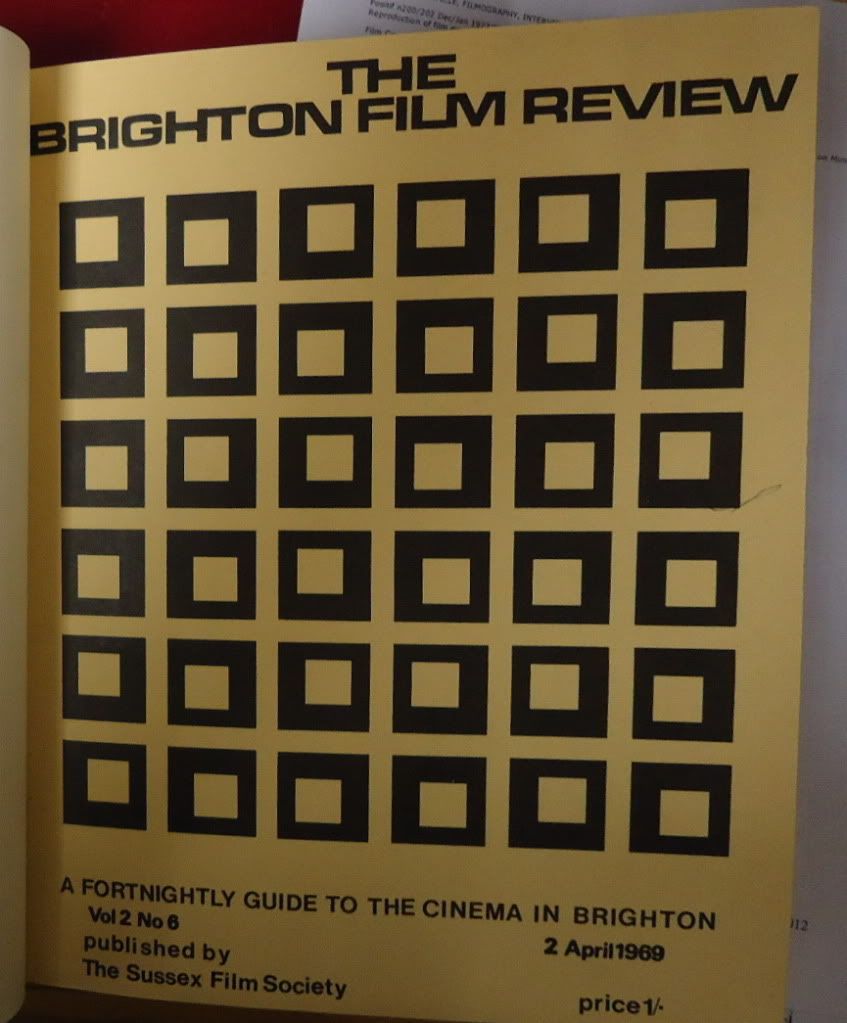
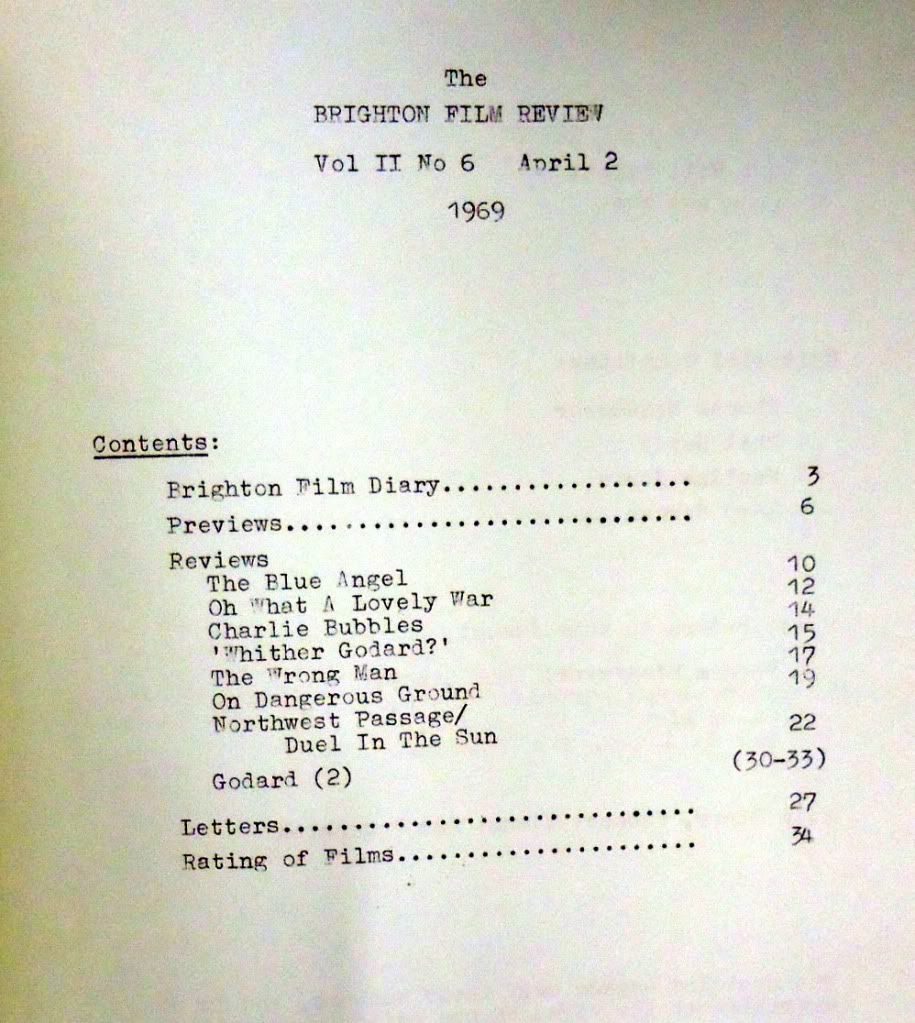
Film Journals#1: Brighton Film Review


Brighton Film Review was the house journal of the film society of the University of Sussex in the late 1960s up to the early 1970s. It later became Monogram, and published in London. Students bought the journal for its listing of screenings and TV broadcasts of the classic and important contemporary films, and writers such as Thomas Elsaesser were "smuggling" their lengthy articles in the publication about their favorite filmmakers. 

"The convenient provincialism of a seaside university gave us the cover to argue, for instance, in favor our cinephile obsessions, while nonetheless keeping a watchful eye on what Screen and other film magazines were doing," writes Elsaesser about his role in the publication. He also says that unlike Movie and Cahier, Brighton was putting less emphasis on auteurist themes, rather than a stylist reading: "we tried to be informative and broadminded enough not to scare off our readers, but we nonetheless hoped that our expository manner carried a polemical edge that London would take note of (it did)."

Wednesday, 21 March 2012

Tonino Guerra (1920 - 2012)


«میكل‌آنجلو، هرازگاه، دوباره با هم نشسته بر قایقی روی آمودریای لغزان می‌رانیم، در حالی‌که با دندان‌هایمان تخمه‌های سیاه آفتاب‌گردان می‌شکنیم؛ در محاصره طناب‌ها و چلیک‌های روغن، و بقچه‌ای که زن کولی در مقابل موتوری صورتی می‌پیچد. در آن حال ملوانان با چوب‌های بلندشان قایقمان را از خوردن به کناره‌های شنی ساحل حفظ می‌کنند. ما در یک سوی قایق نشسته‌ایم و نمی‌دانیم ما را به کجا خواهد برد. به روبانِ آب در رود زُل می‌زنیم که در فاصله‌ای دور ناپدید می‌شود، در ابهام مهی رنگ پریده، که تو را به این فکر می‌اندازد، که سفر در فرارا به پایان خواهد رسید.» تونینو گوئرا

تونينو گوئرا، فیلمنامه‌نویس بزرگ ایتالیایی امروز درگذشت.


Impressions of Edinburgh

Edinburgh, June 2011. Photo © Ehsan Khoshbakht
Click to enlarge

Monday, 19 March 2012

Dietrich, Fur, Feather and Camp

مقالۀ زير در ادامۀ مقالاتي است كه دربارۀ نقش لباس در سينما در اين جا منتشر شده است. نمونۀ قبلي مربوط به جون كرافورد در فيلم‌هاي دهه 1940 او بود و اين يكي دربارۀ رابطۀ جوزف [يوزف] فون اشترنبرگ و ستاره و همدم او، مارلن ديتريش، در فيلم‌هاي مشتركشان است. مقاله پيش رويتان توسط كتايون يوسفي از دو منبع مختلف گردآوري و ترجمه شده است. انتخاب تصاوير هم از اوست.

ديتريش، پَر، پوست و كَمْپ

ریموند دورنیات در مقاله «شش فیلم جوزف فون اشترنبرگ» به شاعرانگی و رابطۀ مقولۀ لباس با روان آدمی در فیلم‌های حاصل از همکاری جوزف فون اشترنبرگ و مارلنه دیتریش اشاره می‌کند. این درحالی است که پیش از آن اگر هم توجهی به این موضوع از جانب منتقدان شده بود، چیزی جز انتقاد تند نبود. هرمان وینبرگ وسواس دیوانه‌وار اشترنبرگ در مورد لباس را نوعی «جنون» خوانده بود؛ برخی منتقدانش انگ بی‌سلیقگی به او زدند؛ برخی او را براي تبدیل دیتریش به «فاحشۀ پارامونت» متهم کردند. اما اگر با توجه به این سوژه خاص مروری کلی به مجموعۀ این هفت فیلم داشته باشیم، به وجود نوعی کدگذاری از طریق لباس پي مي‌بريم. دیدن عکس‌هایی که در ادامه می‌آید، متقاعدمان می‌کند که لباس‌های دیتریش در این فیلم‌ها هم بخشی از طرح کلی‌ای بودند که اشترنبرگ در سر داشت و بنابراین بی‌راه نیست که آن‌ را بخشی از امضای او بدانیم. عکس‌ها نشان می‌دهند که لباس بازیگر چگونه می‌تواند در رساندن معنا، اطلاعات یا احساسات سهیم باشد و بخشی از طرح روایی و تماتیک فیلم شود. طراح لباس در هر هفت مورد، تراویس بنتُن، طراح لباس استودیوی پارامونت است که نمی‌توان نقشش در شکل‌گیری سبک بصریِ این فیلم‌ها را نادیده گرفت.