Showing posts with label Joseph Losey. Show all posts

Saturday, 6 June 2026

A Man on the Beach (Joseph Losey, 1955)


Restored in 4K in 2026 by Hammer Films at Silver Salt Restoration laboratory, from the original 35mm elements. Note written for the world premiere at Il Cinema Ritrovato. — EK


What at first seems to be a genteel story of an Englishwoman abroad being driven around in an antique Rolls-Royce by the Mediterranean Sea – all in calm, saturated Eastmancolor – is in fact a coldly executed heist plot that descends into murder.

Sunday, 31 May 2026

Highlights from Il Cinema Ritrovato XL (Part I)

La Dérive

A selection of personal tips, recommendations, and favourite discoveries from the more than 500 films awaiting you at Il Cinema Ritrovato 2026.


1

La Dérive

Dir: Paula Delsol | France, 1964

Biased historiography haS long buried the work of this suppressed member of the French New Wave, who, alongside Agnès Varda, was one of the movement’s few female directors. Time to rediscover this favourite of Godard and Truffaut.

Sunday, 21 January 2018

Notebook 10th Writers' Poll

In MUBI Notebook's annual poll, the contributors pair their favorite new films of the year (2017) with older films seen in the same year to create fantastic double features. Here is what I can offer as one of 2017's so many ideal and less than ideal double-bills. The first bill features the underappreciated Wajib, the third feature by Annemarie Jacir and her best work so far. -- EK

NEW: Wajib (Annemarie Jacir, Palestine)
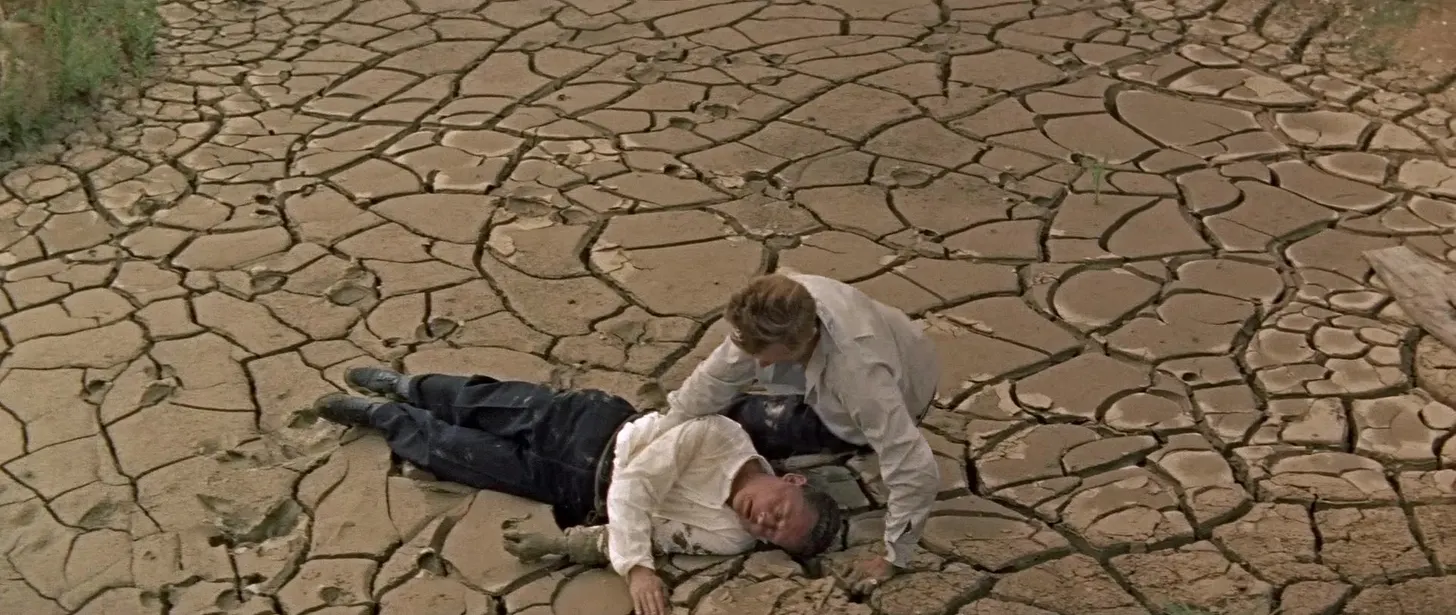
OLD: Time Without Pity (Joseph Losey, 1957)

On the surface, simply pairing two father-son films (of which there are probably far too many out there), striking the so-called universal chord. However, here, the universality is only secondary, if not entirely irrelevant, to what binds them internally—it is in their particularities of that relationship and their ties to the place (Nazareth/London) that a decent double-bill might emerge. Both films never abandon their political agendas but somehow move to more personal territories. They, in fact, are about those "territories", personal or impersonal: characters with their vague hope traversing in hostile cities in which the place of the saved and the savior is interchanged.