Friday, 1 February 2013

Notes on Stop For Bud


In 1963, Jørgen Leth, a Danish filmmaker (who was also a poet, art critic, controversialist and Tour de France commentator  made a short, poetic and visually stunning film about the jazz pianist Bud Powell known as Stop For Bud.

The film, without showing much of Bud's piano playing, succeeds in achieving something that is hugely missing in jazz films of today: finding the right images (to the extent that filmmaker's visual vocabulary allows) to accompany the music, a constant translation from music to cinema and vice versa.

Tuesday, 29 January 2013

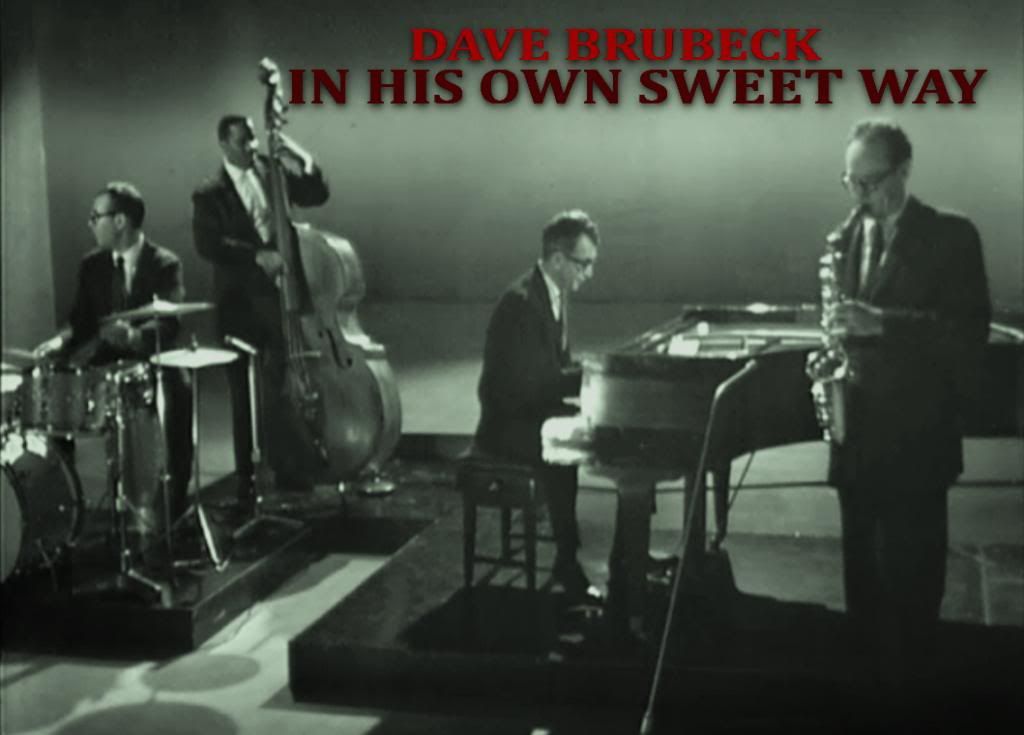
Dave Brubeck: In His Own Sweet Way


Finally I managed to catch up with the long-awaited Dave Brubeck documentary, In His Own Sweet Way, now on BBC iPlayer (online streaming in the UK). My curiosity wasn't only about Brubeck, whose music has had a part in my life, but also I was eager to see director Bruce Ricker's last film, who made the landmark jazz film The Last of the Blue Devils (1979) about the legendary travelling band of the 1930s with Count Basie, Big Joe Turner and Jo Jones.

Bruce Ricker died in May 2011, two months after Brubeck’s great drummer and collaborator Joe Morello left us. Brubeck passed away recently, after a prosperous and amazingly productive and inspiring life. The only living member of the classic quartet is Eugene Wright whose powerful and subtle rhythmic support is the most overlooked, whenever the subject is Brubeck’s music...

Sunday, 27 January 2013

Lang to King; Fellini to Fosse


هنر اروپايي، سرگرمي آمريكايي، از لانگ به كينگ، از فليني به فاسي

مادامي كه سينماي آمريكا مدنظر باشد تاريخ دوبار تكرار مي‌شود، يك بار تراژدي و يك بار موزيكال. نمونۀ اول: چرخ و فلك [Carousel] (1956)، بازسازيِ ليليوم (از فيلم‌هاي عجيب و پيچيدۀ فريتس لانگ؛ 1934) كه توسط هنري كينگ در استوديوي فاكس و در قاب سينمااسكوپ انجام شده. هر دوي آن‌ها از روي نمايش‌نامه ليليوم (1909) نوشته فِرِنك مولنار ساخته شده‌اند و شايد نتوان فيلم كينگ را دقيقاً بازسازيِ فيلمي ديگر خواند، اما كافي است سكانس اول و ميزانسن نمايش چرخ و فلك و متصدي عياش و آسمان جل آن بيلي بيگلو، و حتي لباسي كه بر تن كرده، را ببينيد تا متوجه شويد اين لانگ است كه با تصويرپردازي‌هاي خيره‌كننده‌اش دربارۀ دنياي آدمي حيوان‌صفت، اما بي‌گناه، كينگ را تحت تأثير قرار داده است. فيلم داستان لمپن بيكاره‌اي است كه با دختري معصوم ازدواج و زندگي مشتركي توأم با بي‌توجهي و آزار را شروع مي‌كند. مرد در طي يك سرقت ناموفق كشته مي‌شود، اما بعد از مرگ و در آن دنيا، براي جبران اشتباهاتش و دل‌جويي از دخترش كه بعد از مرگ او به دنيا آمده، به او فقط يك روز فرصت داده مي‌شود تا به زمين برگردد.

Thursday, 17 January 2013

It Happened in Tehran#1

Third Tehran International Film Festival, 1974
From right to left: Rouben Mamoulian, Manouchehr Anvar, Kamran Shirdel, Gillo Pontecorvo, Gabriel Figueroa, Alain Robbe-Grillet, Miklós Jancsó. (two on the far left, unidentified)

Monday, 7 January 2013

Notebook's Fantasy Double Features of 2012

Favorite Non-Fiction Films of 2012


1
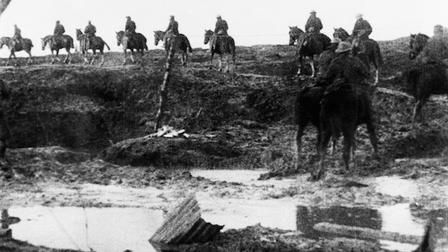
The Battle of the Ancre and the Advance of the Tanks (Geoffrey H. Malins, 1917)

The official record of the British army’s winter campaign on the Somme in 1916 sees the light of the screen in great restored print after 95 years. The images are so powerful, and the humanity of cameramen, in depicting foe and enemy alike, so moving that after this, the long row of soldiers of the Great War parading to the fields of mud and death in anything between All Quiet on the Western Front to Path of Glory look pale. There is no quiet and glory in this masterpiece of early documentary film.


2
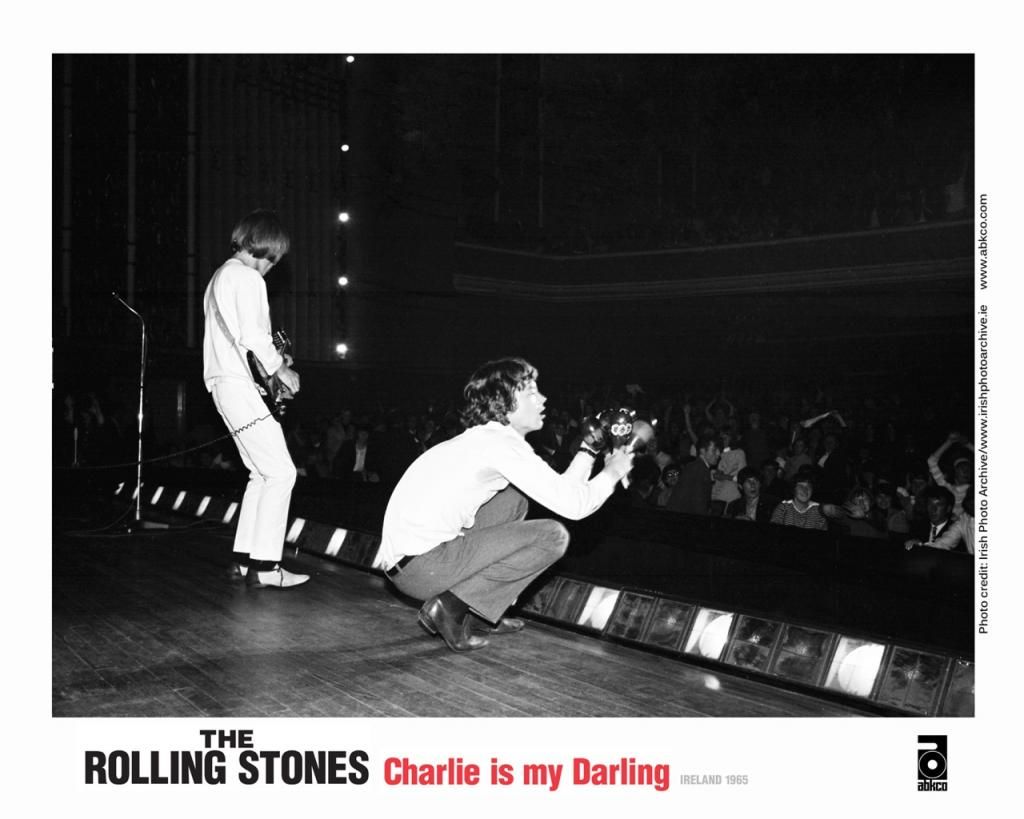
The Rolling Stones – Charlie Is My Darling – Ireland '65 (Peter Whitehead, Mick Gochanour, 2012)

In spite of the controversy over The Rolling Stones’ overpriced tickets for the 50th anniversary concerts and the banality of the specially commissioned documentary, Crossfire Hurricane, this first rate rockumentary, in its truth-revealing, aggression and humor can only be compared to Don’t Look Back. While the official Crossfire Hurricane shows Stones in a sloppy collage of famous films we have already seen - without daring to include any explicit footage from the dark side of the band in Cocksucker Blues - this cine-vérité piece serves the purpose in explaining "How Stones" or "Why Stones: as a brilliant portrayal of five naïve people, growing fast and transitioning from blues covers to strong personal statements about sex and death.


3
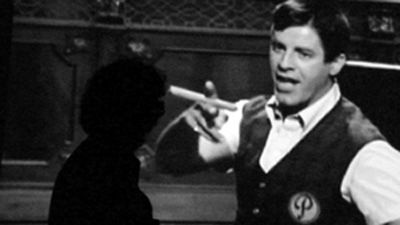
Jerry and Me (Mehrnaz Saeed-Vafa, 2012)

Not only a master class on the art of Jerry Lewis, but a highly confessional autobiography of an Iranian-American woman who, adoringly, sees her life projected in the films of a Jewish American comedian.


4
Reconversão (Thom Andersen, 2012)

A pleasant portrait of the Portuguese architect, Eduardo Souto de Moura whose fascination with ruins and transforming them into modern buildings is the main theme of his works, as well as this film's. Anderson, deliberately, avoids interviewing Souto de Moura till nearly the end of the film, but, still, the Andersen’s autonomy and personal vision allows him to draw an accurate plan of the architect’s thoughts and methods without limiting the outcome to direct statement from Souto. At the end, and after 65 minutes of still shots from Souto’s architectural works, the film, nearly, implies that Souto is a passionate Mies van der Rohe who idolizes Miles Davis and Ahmad Jamal.


5
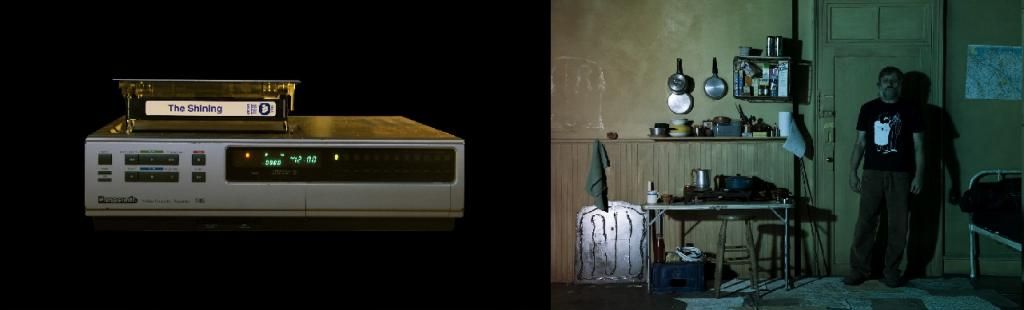
The Pervert's Guide to Ideology (Sophie Fiennes, 2012) + Room 237 (Rodney Ascher, 2012)

If you take them as comedies, you’ll find them hilariously enjoyable. If you take them as dramas, you’ll have a chance to see the dark side of film studies and cinephilia in the age of digital. In both cases, it’s difficult to stay unimpressed with the massive comedy potentials of Slavoj Žižek and also those who have found a new Messiah in Kubrick.