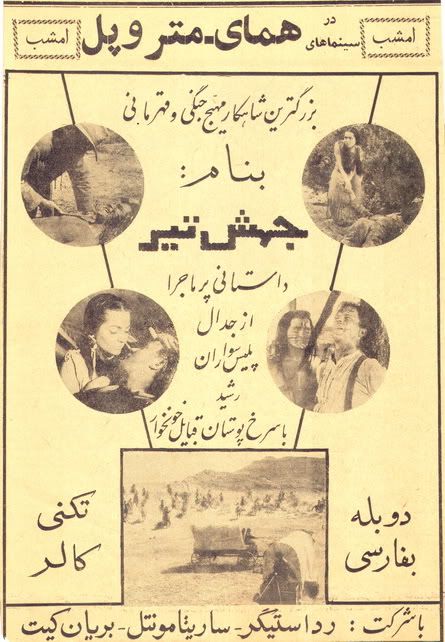
Monday, 10 October 2011

Bucking Broadway (John Ford, 1917)


گام‌هايِ مطمئنِ فوردِ بيست و سه ساله

بعد از اشاره به صف طويل خاكستري، در دو شماره پيش، اين شانس به من دست داد كه بتوانم يكي از اولين ساخته‌هاي جان فورد، فيلمي كه در 1917 با نام تاختن در برادوي [Bucking Broadway] ساخته را ببينم. اين تجربه به خاطر شباهت باورنكردني يكي از «اولين» آثار فورد با بهترين‌ وسترن‌هاي متأخرش، به تجربه‌اي غيرمنتظره بدل شد.
هري كري

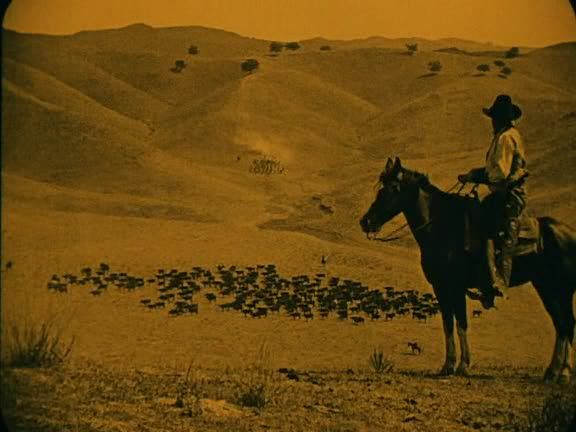
در 1917 جان فورد، بازيگر نقش‌هاي كوچك و سياهي لشگر فيلم‌هاي دو حلقه‌اي را برای کارگردانی وسترن‌هایي با بازی هری کری، يكي از مشهورترين ستاره‌هاي زمان خود، اجیر کردند. اين كارل لِمِلي، مدير استوديوي يونيورسال، بود كه فورد را استخدام كرد و گفت «بگذاريد فيلم بسازد، چون خوب داد مي‌زند.» او نزديك به سي فيلم با هري كري ساخت كه امروز فقط دوتاي آن‌ها باقي مانده‌اند. تاختن در برادوي يكي از آن دو فيلم است كه بعد از هشتاد سال به تازگي در فرانسه پيدا شده و فرانسوي‌ها با همكاري موزۀ هنرهاي مدرنِ نيويورك، فيلم را به شكلي درخشان مرمت كرده‌اند. فيلم داستان هري كري، كابوي صاف و ساده و خوش قلبي است كه عاشق دختر رييسش مي‌شود و از او خواستگاري مي‌كند، اما قبل از ازدواج، دختر مخفيانه با يك خريدار گله به نيويورك مي‌رود و خيلي زود با پشيماني‌اش تنها مي‌ماند. كري پشت سر او عازم نيويورك مي‌شود تا دختر را به دشت‌هاي آزاد و به «خانه» بازگرداند، يك جويندگانِ سادۀ پنجاه دقيقه‌اي.
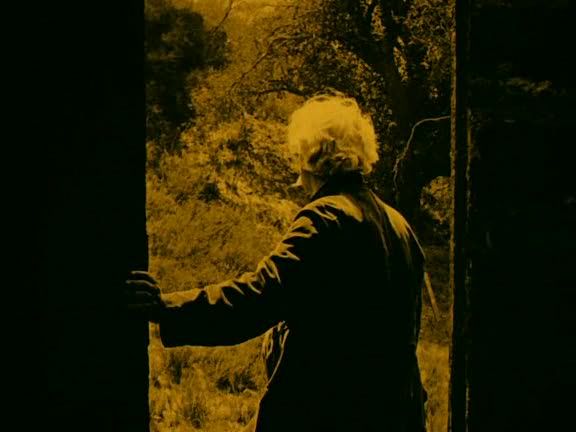
نماي مشهور قاب در، از 1917

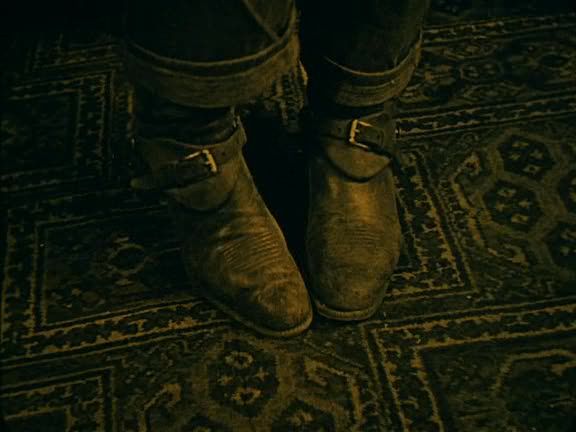
اين مينياتور سينماي فورد تقريباً بيشتر نشانه‌هاي فوردي را دارد: كمدي، احساسات‌گرايي، آيين ازدواج، نگاه تمسخرآميز و حتي توأم با نفرت به يانكي‌ها و تمدن مدرن، موسيقي و آواز به منزله عنصر پيوند دهنده جمع، مِي‌خواري، كتك‌كاري، زن كافۀ خوش قلب و ايثار او در انتهاي داستان و از همه مهم‌تر پيش بردنِ روايت خانوادگي و تاريخي به شكلي درهم تنيده، با ارجاع به اين مفهوم كه هريك ديگري را مي‌سازند. حتي جزييات ساده‌اي مثل پاهاي درهم تاب خورده ايتن ادواردزِ جويندگان در سكانس خواستگاري اين فيلم ديده مي‌شود. 

يادآور پاهاي درهم تاب خورده ايتن ادواردز؟
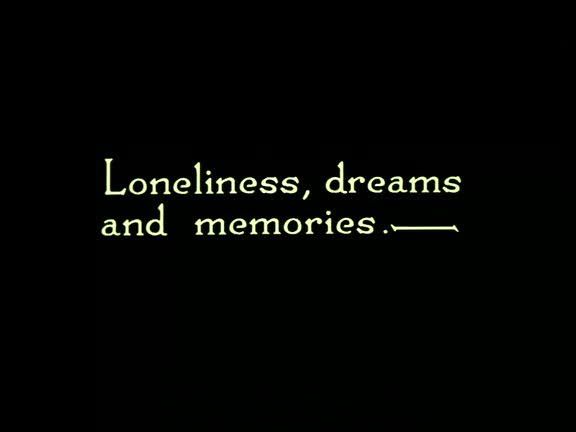
مرد شهري با اتوموبيل وارد داستان مي‌شود و در اين زمان هر دوست‌دار فيلم‌هاي وسترن مي‌تواند مرثيه‌هاي سام پكين‌پا براي غرب قديم كه با ورود ماشين رقم خورده‌اند (به ‌خصوص حماسه كيبل هوگ) را به خاطر بياورد. فورد بازيگرانش را با همان مدل هميشگي، آرام و با نگاه‌هاي نافذ و حركات كند هدايت كرده، آن هم در روزهاي بازي‌هاي پر اغراق سينماي صامت. تقسيم‌بندي نماهاي فيلم بين لانگ‌شات‌هاي شبه حماسي و كلوزآپ‌هاي وسواسي و اندك فيلم، بسيار تأثيرگذارند و فيلم را چند سالي جلوتر از زمان خودش نشان مي‌دهد. وقتي دختر، كابوي را ترك مي‌كند، ميان‌نويسي بعد از كلوزآپِ كابوي كه قيافه گرفتۀ همه وسترنرهاي فورد را دارد، ظاهر مي‌شود كه فقط همين سه كلمه در آن آمده: «تنهايي، روياها، خاطرات» گويي فورد سينمايش را در سه كلمه جمع مي‌بندد. او از همان اول مي‌دانسته از سينما چه مي‌خواهد و اين فيلم نشان و سند معتبر اين آگاهي از وضعيت و سرنوشت خويشتن است.
Sunday, 9 October 2011

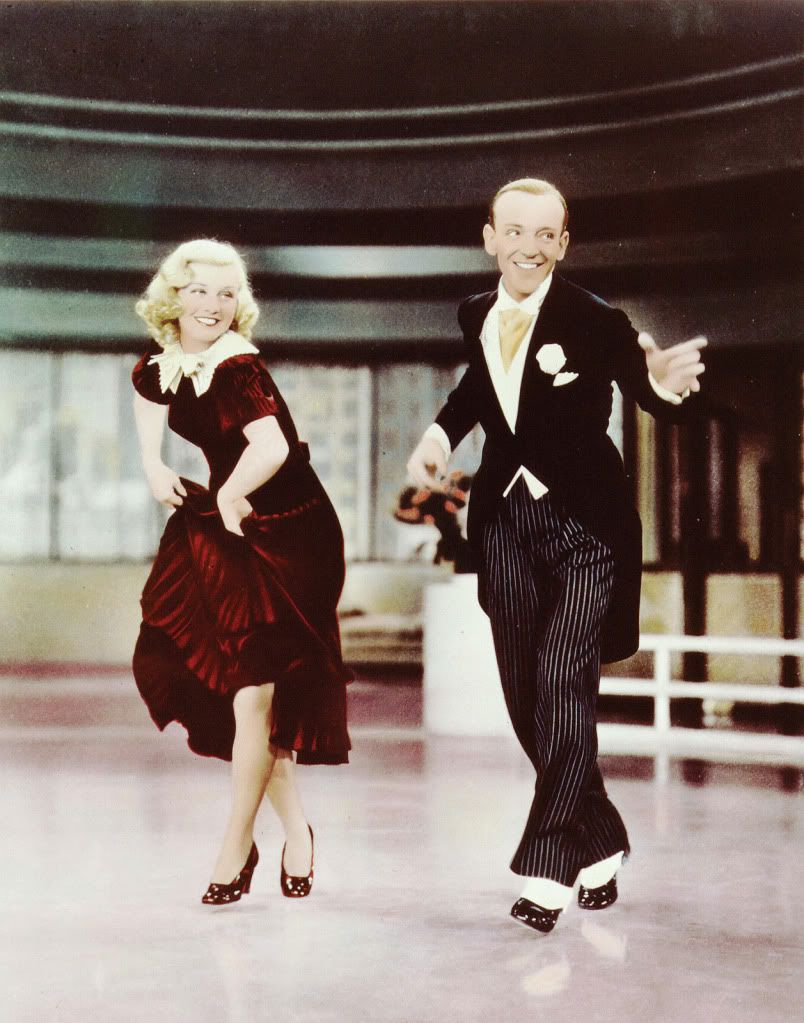
Not Just Fred and Ginger

 NOT JUST FRED AND GINGER:
CAMARADERIE, COLLUSION AND COLLISIONS BETWEEN DANCE AND FILM
LONDON, RUDOLF STEINER HOUSE, 35 PARK RD, London NW1 6XT
14 -16 OCTOBER 2011

FRIDAY, 14th October 2011
  • Gay men, swans and (mis)representations of ballet on the silver screen by Dr Giannandrea Poesio, EADH Chairman

INTERACTIVE DISCOURSES/INTERACTIVE DEBATES

  • Sick and twisted: dance as pathology in fiction films by Sanjoy Roy
  • Finding Words for Moves: Collusion and collisions between dance and film criticism by James Walters
  • Transmodern dance practices: transgressing across genre boundaries, and revisionist (dis)placement in Romeo and Juliet (Bigonzetti, 2006) by Kathrina Farrugia
  • Cinéphilia and Danse Contemporaine in the French Musical by Jenny Oyallon-Koloski
  • e-Dance: Challenging the conventions of the screen by Professor Helen Bailey, University of Bedfordshire (UK)

SATURDAY, 15th October 2011

  • Trip the Light Fantastic: Mid-Century American Musicals Reimagine Vaudeville by Cara Rodway
  • Americans in Paris: the Post-war Redeployment of the Cancan in 1950s Film Musicals by Clare Parfitt-Brown
  • A New Way of Living: Street Dancing and Urban Renewal in West Side Story by Martha Shearer
  • Deconstruction In Motion: Interrogating National, Cultural, and Gendered Identity through Flamenco Dance and Film by Frances R. Hubbard

ISSUES OF AUTHORSHIP
  • The Power of Reproducibility: Leonide Massine in the Movies by Roberta Bignardi
  • Dance in the Films of Almodóvar by Nancy G. Heller
  • Two Steps Forward, One Step Back: New Hollywood’s Close Encounters with the Musical by Alan Taylor
  • Wiseman, the Paris Opéra Ballet and the spectre of Degas by Katerina Pantelides
  • Jittering Jitterbugs in Groovie Movies: Swing Dancing and Cross-Racial Identity Constructions in Shorts of the Early 1940s by Susie Trenka
  • “My, My, Ain’t That Somethin”: The Nicholas Brothers and Definitions of Class, Race and American Identity by Karen McNally
  • Ethnic and Racial Interventions: Trina Parks – from Dunham Dancer to ‘Bond Girl’ by Lisa Fusillo
  • Keynote address: The Manic Bodies of Danny Kaye by Professor Steven Cohan, Syracuse University (USA)

SUNDAY, 16th October 2011
  • Steps and Tap-Dancing: Broadway Melody (1929), 42nd Street (1933) vs Royal Wedding (1951) and The Band Wagon (1953) by Raphaelle Costa de Beauregard
  • ’S Wonderful: Euphoria Dances in the Film Musical by Beth Genné
  • Dancing All Alone: Fred Astaire and the Theatre of the Everyday by Kathleen Riley

  • The Dancing Body on Film: Embodiments in / of Space:
  • a) Rupture & Flow: The Hip-Hop Teen Dance Film's Fractured Body and Soundscape by Faye Woods
  • b) Camera and Dancer: Proximity, Pleasure and Performance by Lucy Fife Donaldson
  • c) Dancing on Film: Embodied Encounters by Katharina Lindner

  • The ‘disturbing’ body of professional female dancers in Tamil and Bollywood movies after the Indian Independence (1947): a political and cultural campaign of ‘redemption’ or ‘repression’? by Tiziana Leucci
  • Challenging the crippling stare: dancing with difference. Changing perceptions of disability in dance film performance by Eimir McGrath
  • What film did for dance - the mutual benefits for dance and film in the silent movie era by Jane Pritchard The Moment Musical: a rediscovered masterpiece by Sergey Konaev
  • The career of Vera Karalli and the role of ballet artists in the formation of acting style in pre-revolutionary Russian cinema by Jennifer Zale
  • Between art, science and attraction: looking back at early cinema’s serpentine dances by Laurent Guido 
  • From the “expressive body” to the “dance of images”: dance analogies in 1920s film theory between corporeality and abstraction by Kristina Köhler

Saturday, 8 October 2011

Notes on the Story of Film

Mark Cousins
The Story of Film, the 15-hour long documentary about the history of innovation in the movies directed by Mark Cousins, is on telly now. It has caused some debates that Shadowplay blog encapsulates many of the main issues and concerns of debaters about SoF. Similar discussions (concerning accuracy and objectivity) aroused almost ten years ago, when JAZZ (Ken Burns), another ambitious and epic narration of history of an art form, was broadcast on PBS. Some experts were furious at the lack of any serious pause on modern jazz, when three hours (from 12) was dedicated to swing and big band of the 1930s. But nothing like JAZZ has happened since, and no new narrative has formed by any other filmmaker or scholar. So it is the sole visual history of jazz music, and I don't think anybody has the courage to break the silence, and fill the gap, and for instance, make a 10 hour long film about modern jazz. Now, as time is passed, many people are reconsidering the values and impacts of Burns' work. "In a classic example of how time can inevitably alter one’s prior impressions," one observes in his revisionist viewpoint of the Burns' work, "and this is not to say the series is without flaws...but taken as a whole for what it was, there has been no better pure television series on jazz music." [1]

All I'm trying to say is when we watch a project, as massive as this, reaching a balanced point in which our personal visions and desires, and limitations imposed by a very limiting format (public TV) could be very difficult. Criticism of a 15 hour long film, could be 8 times more than what a normal feature film can get. I believe Mark Cousins has done a very brave attempt, and like other acts of bravery in this medium (OUT 1?) I think taking this cinematic journey (and as Mark says, "a bumpy one") is more important than probably stopping the ride for the minor obstructions which happen during any long trip.

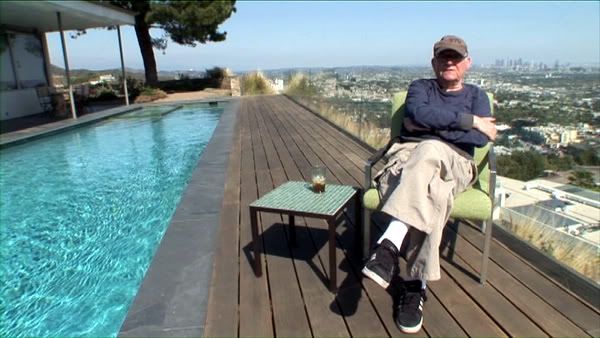
Buck Henry in the Story of Film (episode 8)
Even now, hardly reached the half of the series, I know that at least two universities in UK are using the Story of Film to teach film history and technique to bachelor students of film studies (one is Metropolitan University of London). So I think we must look at SoF as a good start for those youngsters who want to explore the world of cinema. I met a Japanese film study student who is watching the series and apparently so exited about it. Do you have any other suggestion for that young man to give him a broad view of an art form, show him nearly 1000 clips (films+interviews), and introduce him to Forough Farrokhzad, or the cinema of Noriaki Tsuchimoto, and at the same time keep the track of Scorsese and King Vidor?

I don't know any, so I'm happy for that Japanese student, and for myself.

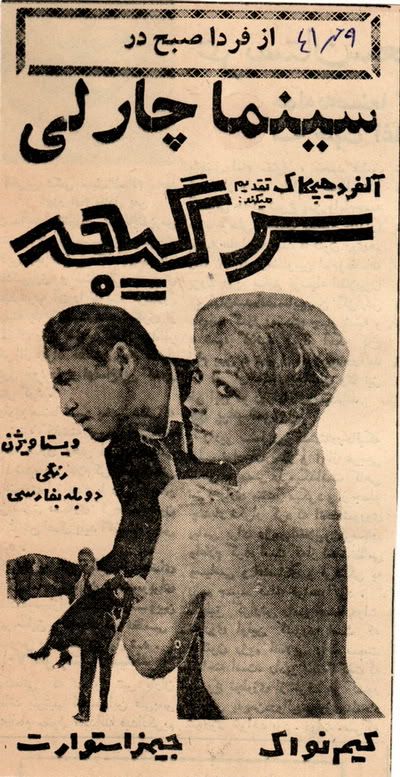
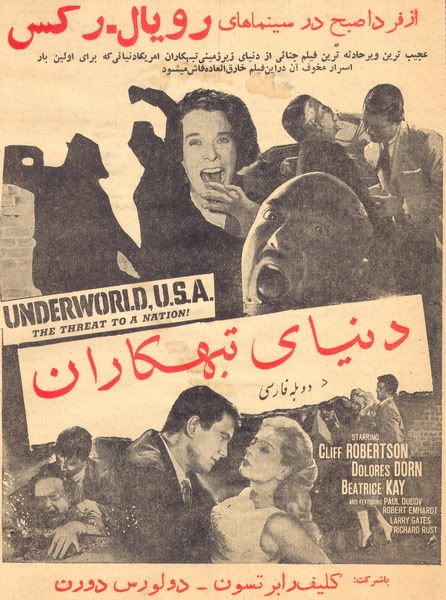
Film Ads in Iran#22

  Garden of Evil by Henry Hathaway
دوشنبه هجدهم آذر هزار و سيصد و سي و شش

Tuesday, 4 October 2011

Friday, 30 September 2011

Caligari to Libeskind: A Documentary

از كاليگاري تا ليبسكيند 1 from Ehsan Khoshbakht on Vimeo.


مستند
از كاليگاري تا ليبسكيند

اين مستندي است كه دو زمستان پيش سرهم كردم. موضوع آن رابطۀ سينما و معماري و آلمان در دورۀ وايمار، يعني سال‌هاي 1920 و مشهور به دورۀ اكسپرسيونيستي هنر آلماني، است. من در اين فيلم هشتاد دقيقه‌اي ابتدا مروري كوتاه و فشرده ارائه كرده‌ام از ريشه‌هاي اكسپرسيونيزم و بعد فصل‌هاي مفصل‌تري به سينماي و معماري آلمان، روي كار آمدن هيتلر و مرگ هنر اكسپرسيونيستي، و هم‌زمان گسترش آن در بقيه نقاط جهان اختصاص دارد. در آخرين فصل فيلم، تأثير اين هنر بر دنياي امروز – بيش‌تر معماري – مورد توجه قرار گرفته است.
اين فيلم از هيچ ساخته شده و پولي در كار نبود تا بتوانم آن را بهتر از ايني كه هست بكنم. گفتار متن در كمد لباسم ضبط شده، و تدوين‌گر فيلم، رضا عباس‌زاده كه همكار من در پروژه‌هاي ديگري نيز بوده، براي كارش در اين فيلم نه تنها هيچ پولي از من نگرفته، بلكه ماه‌هاي زيادي را به كلنجار با آدم بدقلقي مثل من گذرانده است، و هميشه با صبر فراوان.
موسيقي‌هاي فيلم، قطعات جازي هستند كه لااقل در گوش من طنيني از هنر اكسپرسيونيستي دارند. گهگاه بين موسيقي و تصوير ارتباطي بيش‌تر از يك هماهنگي صوتي/بصري وجود دارد كه خود خواهيد ديد.
مي‌توانيد مستند از كاليگاري تا ليبسكيند را به صورت يك‌پارچه (هشتاد دقيقه) ببينيد، يا اگر سرعت اينترنتتان اجازه نمي‌دهد، نسخه‌اي از آن كه به بخش‌هاي ده دقيقه‌اي تقسيم شده را ملاحضه كنيد.


فيلم در هفت قسمت
1  2  3  4  5  6  7