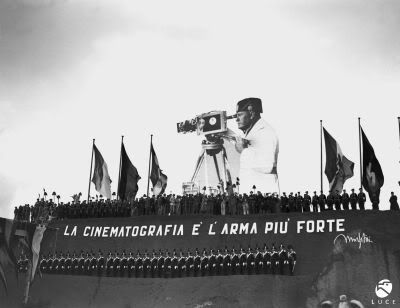
Wednesday, 18 August 2010

Notes on Cinecittà

“Cinecittà is a symbolic and beautiful fortress: outside is Hell, while inside its walls fairy tales are told, sometimes sour, sometimes sweet, sometimes funny.” -Marcello Mastroianni

1

Luigi Freddi (1895-1977), an Italian journalist-turned-politician, had an obsession with modernism as much as he had with the movies. He was one the key thinkers in Benito Mussolini's fascist regime, as long as art was concerned. Freddi meticulously researched the United States and numerous European film capitals to find for the studio the most modern architectural designs and technology available.
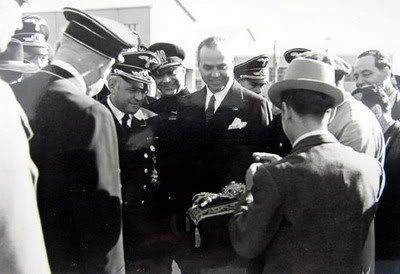
Luigi Freddi


His greatest innovation by far, however, was coordinating the construction and establishment of La Città del Cinema, or Cinecittà, where officially opened by Mussolini on 28 April 1937. It contained on its vast property the most technologically advanced facilities needed for filmmaking: sets, costumes, editing and dubbing facilities, sound stages, and the possibility of constructing ample exterior sets. Although its primarily concern was modernizing the industry and centralizing the means of production, the promotional campaign concentrated instead on its impending role in glorifying the Italian empire through diffusion of its cultural production. Financed by state money, it nevertheless remained under private ownership until 1939, when the state assumed total control of its administration. Cinecittà gradually became the center of the film industry: between April 1937 and July 1943, approximately 300 full-length feature films (over two-thirds of total production) were in some part made or produced on its premises. [1]

2

The planning and construction of Cinecittà on the outskirts of Rome after 1934 was a project that had just as much to do with Rome’s emergence as a center of filmmaking as it did with the city’s rapidly solidified position as hub of an emerging national political and cultural economy. Cinecittà was also integral to a new map and network that was extending Rome’s purview; for instance, Cinecittà’s construction on Rome’s outskirts was a concrete part of new programs for reclaiming the land around Rome. In this regard, Cinecittà pertained to a program of planning and constructing “model” cities in the provinces and of redesigning Italian cities (and the “ancient city”), making them more suited to the national space of distribution. [1] But still this question remains unanswered that a film studio could be model for a real city? In context of Italian cinema we can trace back the skeptical answer in Antonioni's L'avventura (1960). Claudia and Sandro's search for their lost friend leads them to a ghost town outside of Catanisetta. Composed in cubic geometries, with simplified classical forms like a set from Cinecittà or any other film studios. Empty towns in nightmare sequences always remind me of the nature of a film studio. Yet, The L'avventura town, build in Mussolini's era, is nothing but a unrealizable fantasy of community and a relic of dangerous dreams. While Sandro, who is a architect, wonders why such a well-built place was never occupied, Claudia remarks on a similar town in the distance - or is it, as Sandro interrupts, a cemetery?
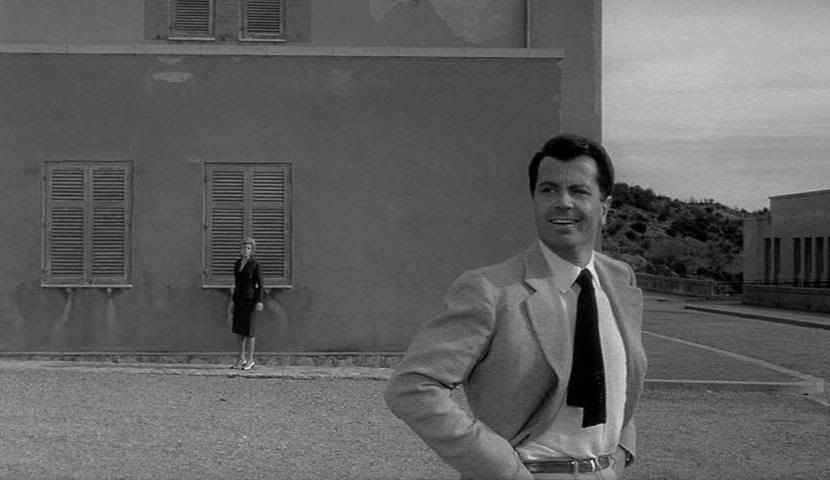
L'avventura


3

Cinecittà, in a wry twist of fate, like Centro Sperimentale di Cinematografia, one of the premier European film schools, which Mussolini also instigated, became hotbeds of freethinking cinéastes that as soon as fascism fell, stopped shooting at the studio and moved out on the streets and riverbanks of Italy, used amateur actors, and that was the birth of neorealism. Yet, their landmark cinema may have ironically owed its life to the talent collected in the institutions engendered by Mussolini’s blind ambition. Many of important future directors and scriptwriters worked at Cinecittà or on Vittorio Mussolini’s journal Cinema, including Cesare Zavattini, Vittorio De Sica, Alberto Lattuada Roberto Rossellini, Michelangelo Antonioni, Giuseppe De Santis, and Luchino Visconti.


4

“Cinecittà a ‘mythic zone,’ the core of my film-loving dreams.” -Dario Argento

In 1937 only 32 films were produced in Italy and Hollywood studios enjoyed nearly three-fourths of the Italian market, compared with only 13 percent for Italian productions. The increased production was not enough to saturate the demand of the Italian market. But in 1938, when American films were refused distribution as a result of Fascist government’s institution of a monopoly for the distribution of foreign films, the market was all for Italian cienma and Cinecittà. With this trade barriers against Hollywood films, by 1942, the number of Italian films produced increased to 117 with Italian production accounting for over 50 percent of the domestic market.
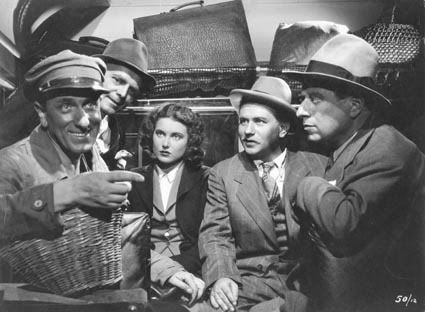
Add captionQuattro passi fra le nuvole (Alessandro Blasetti, 1942)


But Cinecittà always was borrowing many from Hollywood, especially its standard genres. And despite this inner connection with American studio system there was big differences between finished projects. For instance, whereas the American war movies of the early 1940s are optimistic and end up with their heroes triumphing over adversity, nearly all Italian versions turn out badly; pilots are killed or maimed for life; submarines cannot surface; guns jam. In Cinecittà , only three of more than twenty propaganda war films had a happy ending; two are ‘colonial films’ in which natives, naturally, are slaughtered, the third celebrates the heroism of the Spanish nationalists in Toledo.

Why did strict censors not ban sad stories suggesting to Italians that they had virtually lost the war? "We are faced again with the inconsistency of the Fascist regime, so fussy over little things that it would make a director change two words in his script, but unaware of how devastating the depiction of defeat could be," suggests Pierre Sorlin. [3]

Thanks to the spirit of the nation, the fascist regime’s demands did not equal those of the Nazi government on the German film industry or Soviet demands on Russian filmmakers. On the whole, the regime only encouraged Italian directors to make films that depicted Italian life in a positive light. [2]


5

“I am happy to work in Cinecittà and what I appreciate most of this magnificent studio is the technical and labor staff. For three months I felt I was at home...” -Jean Renoir
In 1943, Italy surrendered and the Germans took over the country. They looted Cinecittà, and the film production facilities were moved to temporary accommodation in Venice. Over the next two years, Cinecittà was subjected to Allied bombing. Following the war, between 1945 and 1947, the studios of Cinecittà found a new use as a displaced persons' camp.

Cinecittà recovered slowly. By reaching 1950s Hollywood producers were attracted to Italy as a location by American tax loopholes for producing films abroad. The technical expertise of Italian set designers attracted big budget Hollywood productions to the Cinecittà studios in Rome renowned for the artistic abilities of Italian set designers and wardrobe technicians. This influx of activity known as “Hollywood on the Tiber” allowed many Italian technicians an opportunity to gain the experience and expertise essential to the boom in Italian film production in the 1960s. Big budget Hollywood studio productions — Ben Hur (1959) and Cleopatra (1963) or co-productions such as El Cid (1961) —were filmed partly in Rome’s Cinecittà studios with the active participation of Italian designers and assistant directors. For example, Sergio Leone co-directed the peplum disaster film and Italian box office hit Sodom and Gomorra (1962) with Robert Aldrich, but obviously uncredited. This tradition of reliance on Italian craftsmanship has continued sporadically and would reappear decades later when actor/director Mel Gibson came to Rome to enrich his film The Passion of the Christ (2004), a film shot largely in Cinecittà, or when Martin Scorsese picked the studio for his Gangs of New York.

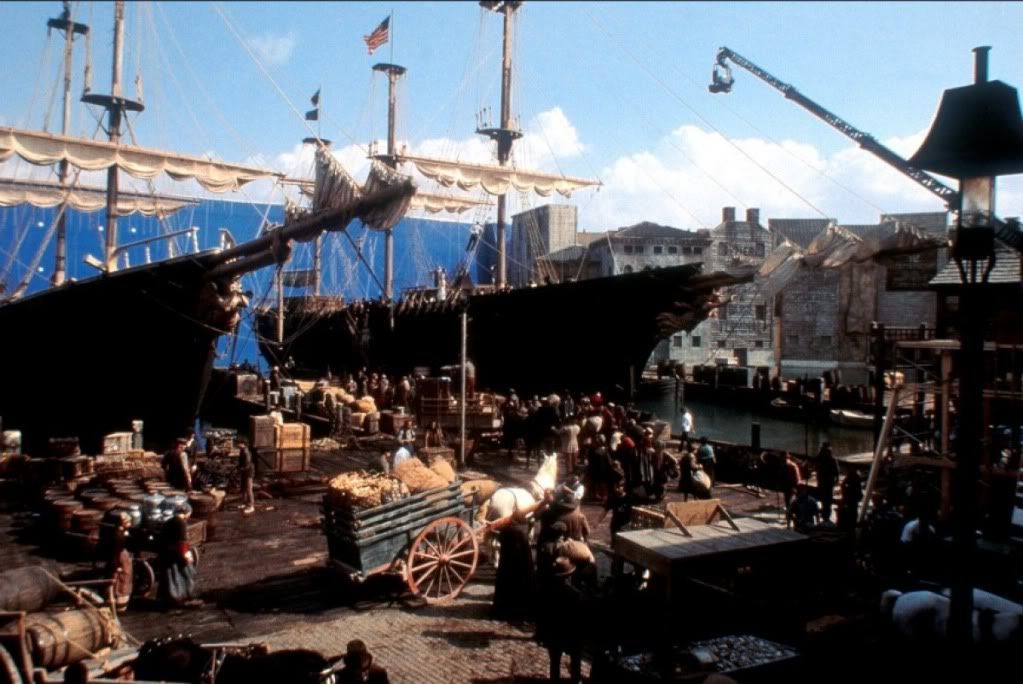
Docks of New York set from Gangs of New York, made at Cinecittà

"I’ve always felt that Cinecittà has a special magic because of all the great films that have been made there. For the many years that I had been thinking about Gangs of New York, I always imagined it would be created with an aspect of the Italian artistry that I saw and experienced in Italian films when I was growing up,” remarked Martin Scorsese when he transferred his unit to Italy to create a New York in Cinecittà.

Today, Cinecittà is suffering from what any other studio or film idustry is suffering from, but as Martha Nochimson points out, " if Cinecittà has survived war, censorship, and fire*. Why not globalization, too? "


*A 2007 fire destroyed 3,000 square meters of Cinecittà sets (out of a total of 400,000 square meters).

References:
[1] Re-viewing fascism, Italian cinema, 1922–1943/edited by Jacqueline Reich and Piero Garofalo.
[2] A new guide to Italian cinema / Carlo Celli and Marga Cottino-Jones
[3] Italian National Cinema 1896–1996/ Pierre Sorlin.
[4] The Cinecittà Pentimento Effect: A Firsthand Account / Martha P. Nochimson

Sunday, 15 August 2010

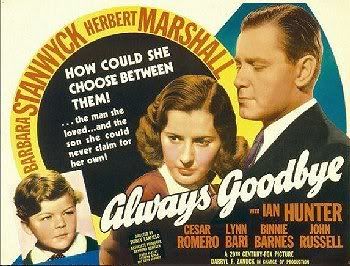
Dailies#11: Always Goodbye


داستان قديمي مادر و بچه ناخوانده كه بچه‌اش را به خانواده‌اي ثروتمند مي‌دهد و بعد از چند سالي فيلش ياد هندوستان مي‌كند - يا در قواعد ملودرام به اصطلاح دلش براي فرزندش تنگ مي‌شود - داستاني كليشه‌اي است، اما مثل هميشه مهم اين است كه چطور به كار گرفته شود:
الف) اگر مادر باربارا استنويك باشد به جاي درآوردن اشك تماشاگر و كشاندن فيلم به شبه‌ژانر «كلينكس»، سعي مي‌كند پدرخوانده فرزندش را اغوا كند، اين مي‌شود خرق عادت ژانري. پس يك امتياز به نفع هميشه خداحافظ ساخته سيدني لنفيلد.
ب) براي اين كه حق به حق‌دار برسد هميشه بايد آدم‌هاي بد يا آدم‌هايي كه حقوق‌شان ‌اهميتي كم‌‌تر دارد وجود داشته باشند تا كسي كه حق واقعي‌اش است شي‌ء يا فرد مورد نظر را بقاپد. در چنين احوالي فيلم مجبور است بعضي انسان‌ها را احمق و بعضي را خودخواه نشان بدهد تا بتواند آن‌ها را از بازي اخلاقي‌اش حذف و قهرمان را پيروز كند. با اين كه در دنياي واقعي احمق و خودخواه فراوان است، روي پرده، و به‌خصوص در ملودرام، اين جنايت است كه سياهي و سفيدي خالص نشان داده شود، چراكه چنين چيزي وجود ندارد، پس يك امتياز منفي براي هميشه خداحافظ.
ج) اگر بازيگري صدا داشته باشد، همه چيز دارد و اين درباره صداي زيبا و شخصيت نجيب اين آكتور عالي انگليسي، هربرت مارشال صدق مي‌كند. يك امتياز به‌‌خاطر مارشال.
د) وقتي سانسور به هاليوود آمد مجبوري آغاز فيلم را به اين شكل بگذاري كه باربارا جلوي محضر ازدواج منتظر شوهر آينده‌اش است كه او در راه تصادف مي‌كند و باربارا را با يك كودك ك در آينده نزديك متولد خواهد شد تنها مي‌گذارد. قبل از 1934 اين حرف‌ها نبود و باربارا لازم نبود جلوي محضر منتظر كسي بماند. امتياز منفي كه البته تقصير زمانه بوده است.
ه) سزار رومر آكتور خوبي است و ويكتور ميچر در خلق شخصيت داك هاليدي در كلمنتاين عزيزم از او الهام كوچكي گرفته كه بازيگر نسخه اول بود، اما لنفيلد نقش ژيگولوي اروپايي را در حد يك كاريكاتور بي‌سليقه براي رومرو تدارك ديده و اين‌هم يك منفي ديگر.
ساعت بيست دقيقه بعد از نيمه شب شد و براي ديدن يك فيلم از استودوي يونيورسال از پشت ميز بلند خواهم شد. هميشه خداحافظ در 1938 در استوديوهاي فاكس قرن بيستم ساخته شده بود.

Noir Inc.


My friends and colleagues, the Czar of film noir, Eddie Muller, and Alan K. Rode discuss their mission of rescuing film noir heritage of American cinema in a recent TCM short.


Saturday, 14 August 2010

Insane Stairs

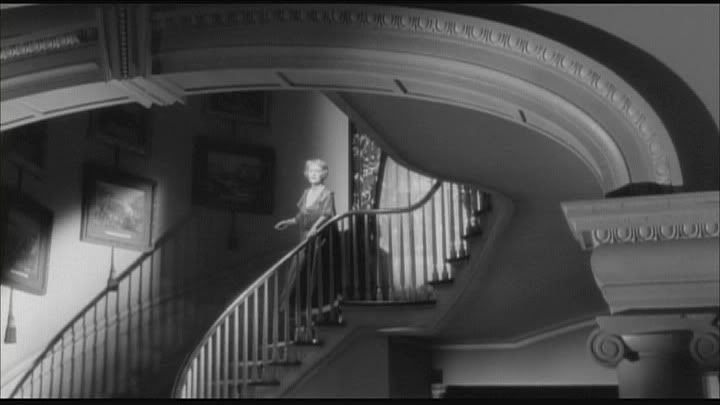
Hush...Hush, Sweet Charlotte (1964)/D: Robert Aldrich/A.D.: William Glasgow

The Servant (1963) /D: Joseph Losey/Production Design:Richard Macdonald

.

Thursday, 12 August 2010

I'm a Poor Writer: Curt Siodmak on Siodmaks


Curt Siodmak (1902-2000) was a novelist and screenwriter, author of the novel Donovan's Brain, which was made into a number of films and the brother of great emigre director Robert Siodmak. His first horror credit was The Invisible Man Returns (1940), and he followed this with two Boris Karloff vehicles, Black Friday (1940) and The Ape (1940). he wrote famous I Walked with a Zombie (1943) for producer Val Lewton and director Jacques Tourneur.

Siodmak also directed some less than impressive low budget monster movies, including Bride of the Gorilla (1951), The Magnetic Monster (1953), and Curucu, Beast of the Amazon (1956). His final significant genre credit was for Terence Fisher’s German production Sherlock Holmes and the Necklace of Death (1962).His novel I, Gabriel was published in Germany, and afterward many of his early novels came back into print. Also, he's written an opera, Song of Frankenstein, and a play about Jack the Ripper.

Tuesday, 3 August 2010

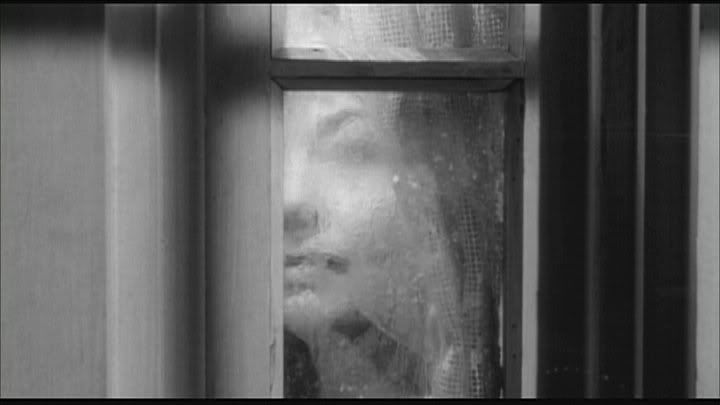
Untitled Frame From Hush...Hush, Sweet Charlotte


Hush...Hush, Sweet Charlotte (1964) /Dir: Robert Aldrich/Cinematography: Joseph F. Biroc

see rest of the game, here.

Monday, 2 August 2010

Saturday, 31 July 2010

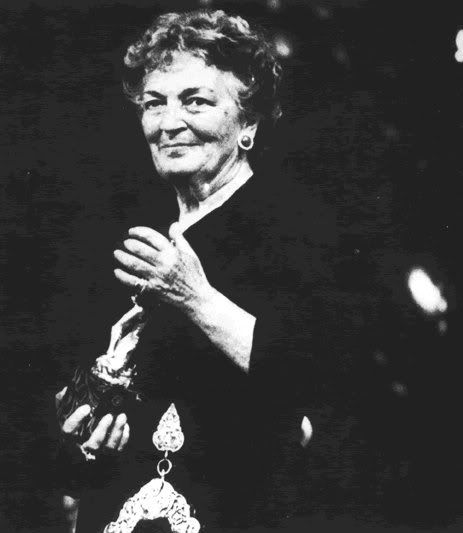
Suso Cecchi d'Amico (1914-2010)

Lady Suso Cecchi d’Amico, the writer of many masterpieces in Italian post-war cinema passed away today, at the age of 96. She was known for her collaborations with Visconti, Castellani, Zampa, Lattuada, Blasetti, De Sica (including Bicycle Thieves), Comencini, Camerini, Antonioni, Monicelli, Rosi, Zeffirelli and Clément. Her works embodies the development of postwar Italian cinema and "her scripts achieve a certain ‘‘transparency,’’ becoming all-but-inextricable from the finished film itself," as Verina Glaessner sums up d'Amico's very long and prolific career. "She has all too modestly described her work as akin to that of the artisan. This emphasizes her professionalism, the literate wellcraftedness of her scripts, and her endless adaptability to the contrasting needs of filmmakers working within competing stylistic conventions."

Wednesday, 28 July 2010

Life … Replaced by a Fresh Corpse: David Thomson & Noir


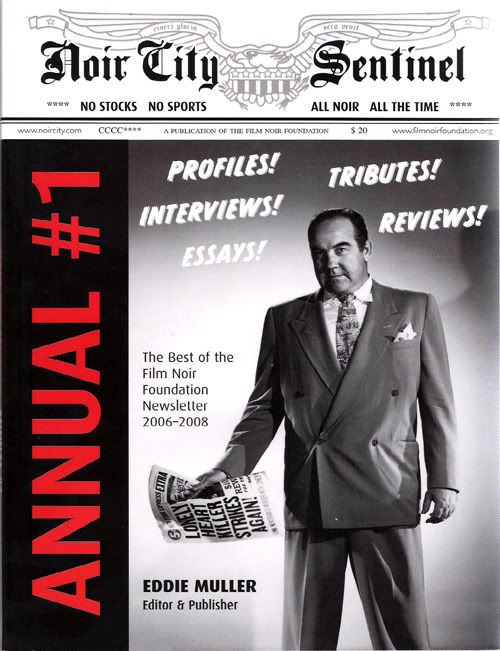
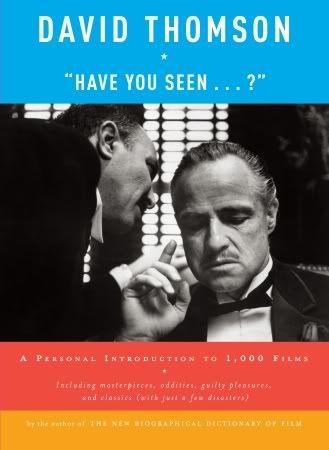
A have a new piece, a book review, published in the last issue of Noir City Sentinel (Summer 2010). The book is David Thomson's "Have You Seen...?": A Personal Introduction to 1,000 Films, and my article's main focus is on Thomson's taste for film noir.

This wonderful 53-page issue have many more things to dig, including:


British Noir A Climate of Fatalism by Imogen Sara Smith
Nightmare Alley: The Musical by Dan Akira Nishimura
A Common Language: American Expatriate Directors in British Noir by Imogen Sara Smith
The Have-Nots in the Sordid Underbelly of British Noir by Guy Savage
The Forgotten World of Bargain-Basement British B-Noirs, 1957–64 by Don Malcolm
Caged: Classic, Not Camp by Alan K. Rode
Walk Softly, Stranger: When the End Undermines the Means by Eddie Muller
Paul Stewart: A Heavyweight Among Heavies by again, Eddie Muller
Elisha Cook Jr.: The King of the Character Actors by Woody Haut
Bernhardt, Litvak, Negulesco: The Forgotten Film Noir Directors by Marc Svetov
The History of the Whistler by Vince Keenan
Hearing Voices: The Varieties of Film Noir Narration by Jake Hinkson
Wilder at Heart: Billy, Willy, and the Great Brotherly Divide by Don Malcolm
Hidden in Plain Sight: The Big Sleep’s Sassiest Dame by Ron Schuler
Life … Replaced by a Fresh Corpse by Ehsan Khoshbakht

And also some notes on:

Dementia, Night Tide, and The Werewolf by Will Viharo
TV Noir: Double Dose of Duryea by Gordon Gates
Lorre & Greenstreet by Steve Eifert
The Killer Inside Me by Will “The Thrill” Viharo

Even Alan K. Rode Interviews Eleanor Parker, exclusively for Sentinel.

***
When I was working on that review, I made a list of all noir entries in Thomson's book. Now, I think publishing this index, will help noir scholars for further research.


1940

The Letter William Wyler 1940
The Mortal Storm Stuart Heissler 1940
Rebecca Alfred Hitchcock 1940
They drive by night Raoul Walsh 1940
1941

Citizen Kane Orson Welles 1941
High Sierra Raoul Walsh 1941
Hold back the down Mitchell Leisen 1941
Little Foxes William Wyler 1941
The Maltese Falcon John Huston 1941
Man Hunt Fritz Lang 1941
Meet John Doe Frank Capra 1941
1942

Cat People Jacques Tourneur 1942
The Hard Way Vincent Sherman 1942
Ossessione Luchino Visconti 1942
1943

Hangmen also die! Fritz Lang 1943
Shadow of a doubt Alfred Hitchcock 1943
Seventh victim Mark Robson 1943
1944

Double Indemnity Billy Wilder 1944
Gaslight George Cukor 1944
Laura Otto Preminger 1944
Ministry of Fear Fritz Lang 1944
Phantom Lady Robert Sodmak 1944
The Woman in the window Fritz Lang 1944
1945

Detour Edgar Ulmer 1945
Leave her to heaven John M. Stahl 1945
The lost weekend Billy Wilder 1945
Mildred pierce Michael Curtiz 1945
The picture of Dorian Gray Albert Lewin 1945
Scarlet Street Fritz Lang 1945
Spellbound Alfred Hitchcock 1945
The Strange affair of Uncle Harry Robert Siodmak 1945
1946

The Big Sleep Howard Hawks 1946
The Chase Arthur Ripley 1946
Gilda Charles Vidor 1946
Humeresque Jean Negulesco 1946
The Killers Robert Sodmak 1946
Notorious Alfred Hitchcock 1946
The Postman always rings twice Tay Garnett 1946
1947

Body & Soul Robert Rossen 1947
Brighton Rock John Boulting 1947
Crossfire Edward Dmytryk 1947
Daisy Kenyon Otto Preminger 1947
It always rains on Sunday Robert Hamer 1947
Kiss of death Henry Hathaway 1947
The Lost moment Martin GabeL 1947
Out of the past Jacques Tourneur 1947
Pursued Raoul Walsh 1947
Quai des orfevers Henri-Georges Clouzot 1947
They Made me a fugitive Alberto Cavalcanti 1947
1948

Act of violence Fred Zinnemann 1948
The Fallen idol Carol Reed 1948
Force of Evil Abraham Polonsky 1948
Key Largo John Huston 1948
Lady from Shanghai Orson Welles 1948
The Naked City Jules Dassin 1948
Raw Deal Anthony Mann 1948
Snake Pit Anatole Litvak 1948
1949

A ll the king's men Robert Rossen 1949
Caught Max Ophuls 1949
Criss Cross Robert Sodmak 1949
Portrait Of Jennie William Dieterle 1949
The Reckless Moment Max Ophuls 1949
They live by night Nicholas Ray 1949
Third man Carol Reed 1949
White Heat Raoul Walsh 1949
1950

The Asphalt Jungle John Huston 1950
D. O. A Rudolph Maté 1950
Gun Crazy Joseph H. Lewis 1950
In a lonely place Nicholas Ray 1950
Night and the city Jules Dassin 1950
No man of her own Mitchell Leisen 1950
Sunset Blvd. Billy Wilder 1950
1951

Ace in the hole Billy Wilder 1951
M Joseph Losey 1951
A Place in the sun George Stevens 1951
Prowler Joseph Losey 1951
Strangers on a train Alfred Hitchcock 1951
1952

Angel Face Otto Preminger 1952
1953

Big Heat Fritz Lang 1953
Pickup on south street Sam Fuller 1953
1954

Beat the devil John Huston 1954
Suddenly Lewis Allen 1954
1955

The big Combo Joseph H. Lewis 1955
Les Diabolique Henri-Georges Clouzot 1955
House of Bamboo Sam Fuller 1955
Kiss me deadly Robert Aldrich 1955
The Man with the golden arm Otto Preminger 1955
Mr. Arkadin Orson Welles 1955
The Night of the hunter Charles Laughton 1955
Riffifi Jules Dassin 1955
1956

Bigger than life Nicholas Ray 1956
Bob la flombouer Jean Pierre Melville 1956
The Killing Stanley Kubrick 1956
1957

Baby Face Nelson Don Siegel 1957
A Face in the crowd Elia Kazan 1957
The Wrong Man Alfred Hitchcock 1957
1958

Touch of evil Orson Welles 1958
Vertigo Alfred Hitchcock 1958
1959

Odds against tomorrow Robert Wise 1959

Saturday, 24 July 2010

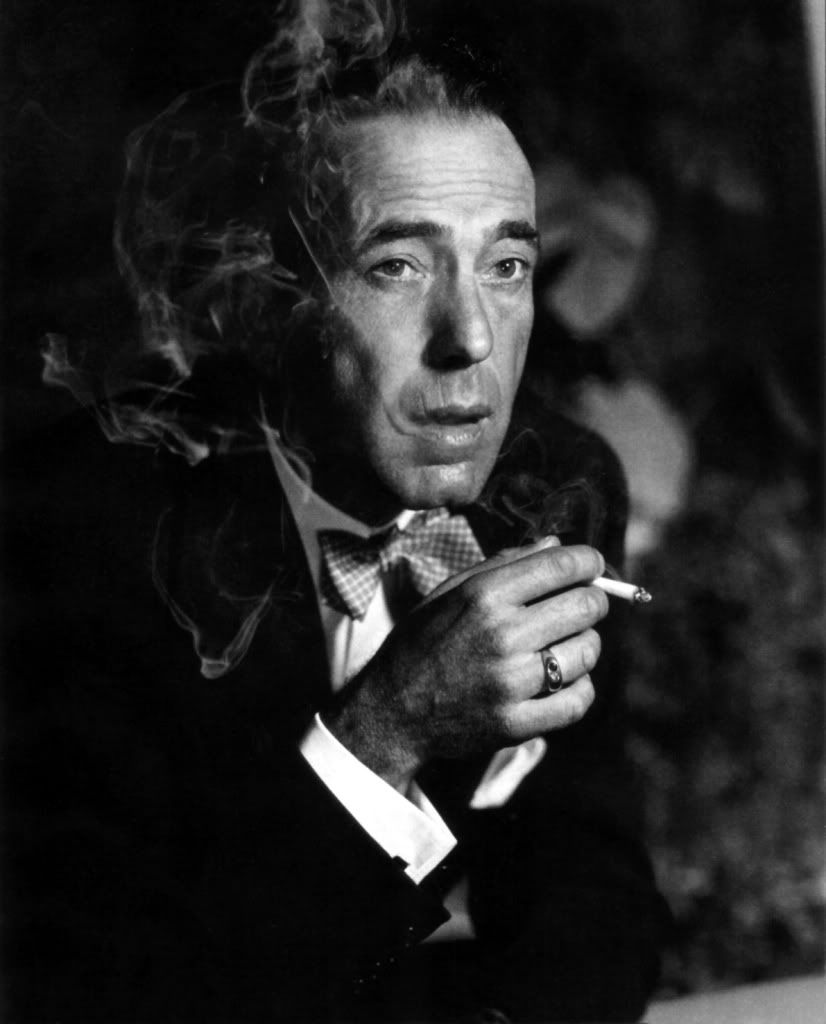
Bazin on Bogart: The Immanence of Death


Each time he began a sentence he revealed a wayward set of teeth. The set of his jaw irresistibly evoked the rictus of a spirited cadaver, the final expression of a melancholy man who would fade away with a smile. That is indeed the smile of death.

Segments from André Bazin's enlightening piece on Humphrey Bogart, written at the time of actor's passing for Cahiers du Cinema. This is translated by Phillip Drummond for an anthology of Cahiers articles, published in 4 volumes by Harvard University Press, 1985.


Who does not mourn this month for Humphrey Bogart, who died at fifty six of stomach cancer and half a million whiskeys? The passing of James Dean principally affected members of the female sex below the age of twenty; Bogey's affects their parents or at least their elder brothers, and above all it is men who mourn. Beguiling rather than attractive, Bogey delighted the women in his films; no fear of him leaving millions of widows, like Valentino or James Dean; for the spectator he seems to me to have been more the hero with whom one identifies than the hero one loves. The popularity of Bogart is virile. Women may miss him, but I know of men who would weep for him were not the unseemliness of emotion written all over this tough guy's tomb. No flowers, no wreaths.

Much has already been written about Bogart, his persona and his myth. But none put it better, perhaps, than Robert Lachenay more than a year ago, from whom I cannot help but quote the following prophetic lines: “Each time he began a sentence he revealed a wayward set of teeth. The set of his jaw irresistibly evoked the rictus of a spirited cadaver, the final expression of a melancholy man who would fade away with a smile. That is indeed the smile of death.”

It now seems clear indeed that none more so than Bogart, if I may speak thus, epitomized the immanence of death, its imminence as well. Not so much, moreover, of that which one gives or receives as of the corpse on reprieve which is within each of us. And if his death touches us so closely, so intimately, it is because the raison d'etre of his existence was in some sense to survive. Thus in his case death's victory is twofold, since it is victorious less over life than over resistance to dying.

I will perhaps make myself better understood by contrasting his character with that of Gabin (to whom one could compare him in so many ways). Both men are heroes of modern cinematographic tragedy, but with Gabin (I am of course speaking of the Gabin of Le Jour se lève and Pépé le Moko) death is, after all, at the end of the adventure, implacably awaiting its appointment. The fate of Gabin is precisely to be duped by life. But Bogart is man defined by fate. When he enters the film it is already the pale dawn of the following day; absurdly victorious from the macabre combat with the angel, his face marked by what he has seen and his bearing heavy with all he knows, having ten times triumphed over his own death he will doubtless survive for us a further time.


Not the least admirable feature of the character of Bogart is that he improved, became sharper, as he progressively wasted away. This tough guy never dazzled on the screen by dint of physical force or acrobatic agility. He was neither a Gary Cooper nor a Douglas Fairbanks! His successes as a gangster or as a detective are due first to his ability to take a punch, then to his perspicacity. The effectiveness of his punch testifies less to his strength than to his sense of repartee. He places it welt true, but above all at the right moment. He strikes little, but always when his opponent is wrong-footed. And then there is the revolver which becomes in his hands an almost intellectual weapon, the argument that dumbfounds.

Bogart is, without doubt, typically the actor/myth of the war and post-war period. There is some secret harmony in the coincidence of these events: the end of the pre-war period, the arrival of a certain novelistic style in cinematographic écriture, and, through Bogart, the triumph of interiorization and of ambiguity. One can in any case easily see in what respect Bogart differs from those pre-war heroes for whom Gary Cooper might be the prototype: handsome, strong, noble, expressing much more the optimism and efficiency of a civilization than its anxiety. Even the gangsters are the conquering and active type, Western heroes who have gone astray, the negative version of industrious audacity. In this period only perhaps George Raft shows signs of that introversion, a source of ambiguity which the hero of The Big Sleep will exploit to a sublime degree. In Key Largo Bogart overcomes Edward G. Robinson, the last of the pre-war gangsters; with this victory something of American literature probably makes its way into Hollywood. Not through the deceptive intermediary of the scenarios but through the human style of the character. Bogart is perhaps, in the cinema, the first illustration of “the age of the American novel.”


The special ambiguity of the roles which first brought Bogart success in the noir crime film is thus to be found again in his filmography. Moral contradictions meet as much within the roles as in the paradoxical permanence of the character caught between two apparently incompatible occupations.

But is not this precisely the proof that our sympathy went out, beyond even the imaginary biographies and moral virtues or their absence, to some profounder wisdom, to a certain way of accepting the human condition which may be shared by the rogue and by the honorable man, by the failure as well as by the hero. The Bogart man is not defined by his accidental respect, or his contempt, for bourgeois virtues, by his courage or his cowardice, but above all by this existential maturity which gradually transforms life into a stubborn irony at the expense of death.

Thursday, 22 July 2010

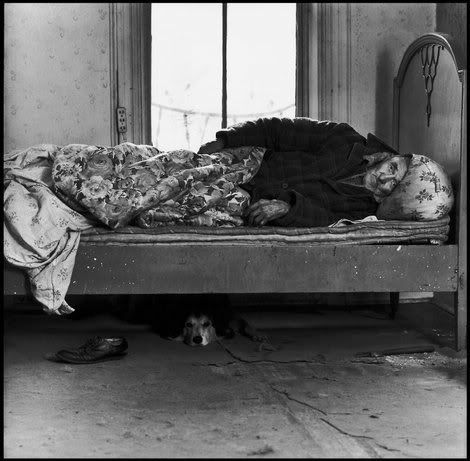
A Man And A Dog

Still:
Bruce Davidson

Motion:
Vittorio DeSica's Umberto D

Tuesday, 20 July 2010

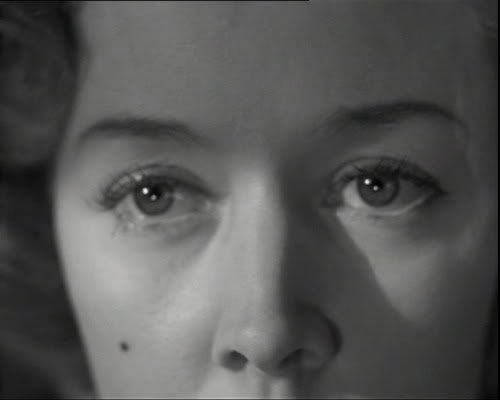
Glance & Gaze: Odds Against Tomorrow (1959)

Odds Against Tomorrow (1959)/Dir: Robert Wise/Cinematography: Joseph C. Brun
Close ups of Robert Ryan & Gloria Grahame

Monday, 19 July 2010

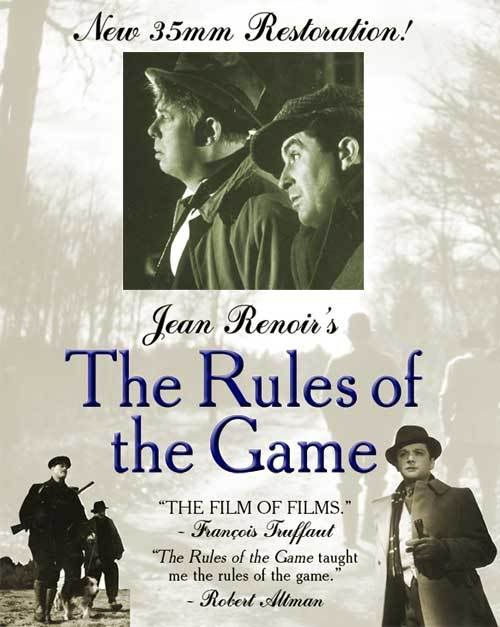
La règle du jeu (Jean Renoir, 1939)


-->
قاعدۀ بازی كه قاعدۀ بازی را به ما آموخت*
قاعده بازي پايان عصر طلايي سينماي فرانسه بود؛ نتيجه منطقي شكست جبهه چپ خلق و اغتشاش فرانسه در آستانه جنگ. روزهايي كه طومار رئاليزم شاعرانه را درهم پيچيد و جا را براي آثاري دوپهلو باز كرد كه بنيان سينماي مدرن قرار گرفتند.
در زماني که از شرق فرانسه صدای ترسناك چکمۀ نازی‌ها به وضوح به گوش مي‌رسید، رنوار و دوستانش برای ساخت قاعدۀ بازی به حومۀ پاریس شتافتند. برای مدتي کوتاه در دنيا هيچ مسأله‌اي مهم‌تر از ساخت اين فيلم، كه پس از گذر از سال‌هاي گمنامي به مشهورترين شاهكار رنوار بدل شد، وجود نداشت.
فيلم به بيشتر اصول كليدي عصرطلايي سينماي فرانسه بي اعتنا مي‌ماند و در ظاهر بازي بي‌قاعده‌اي است كه تنها خود رنوار چرخاندن آن را مي‌داند. بخش مهمي از شكست تجاري و انتقادي فيلم در نمايش اول، به همين خاطر بود. رنوار با انتخاب‌ بازيگراني مهجور – با گذشتن از خير نيت اوليه‌اش براي دادن نقشي به ميشل سيمون - به سنت رايج ستاره محوري در سينماي فرانسه بي‌اعتنايي كرد. او مثلاً نورا گرگور اتریشی را فقط به این دلیل انتخاب کرد که او و شوهر شازده‌اش از دست نازی ها فراری و آوارۀ فرانسه شده بودند. و خود رنوار كه همیشه آرزو داشت تا در یکی از فیلم‌هایش بازی كند فرصت را مغتنم شمرد و نقش اكتاو را به عهده گرفت. اگر چه عده‌اي بازي او را به مسخره گرفتند، اما حضور رنوار روی پرده مثل حضور نمایش‌گردانی است که این بزم دیوانه‌وار را تا به انتها با مهارتی بی‌نظیر هدایت می‌کند.

نمایش فیلم در شیک‌ترین سینماهای پاریس آغاز شد اما ناگهان مشتریان خوش پوش همان سالن‌ها شروع به داد و فریاد و آتش زدن روزنامه و پرتاب كاغذ مشتعل به سوی پرده کردند، آنها نمی‌توانستند تصویری چنین استهزاء آمیز از خود و طبقه‌اي كه به آن تعلق داشتند را تحمل کنند. منتقدان نیز هر احساسي كه داشتند، شرايط را چندان براي پشتيباني از فيلم مساعد نمي‌ديدند و بدوبیراه گفتن‌ها چنان بالا گرفت که قاعده بازي پس از سه هفته از پرده پایین کشیده شد، در حالی که فیلم قبلی رنوار، la bête humaine حدود چهار ماه در سینماهاي پاريس باقی مانده بود.
کمی بعد رنوار را مجبور کردند که 33 دقیقه از فیلم (شامل بخش‌های زيادي از شخصیت خودش، اکتاو) را کوتاه کند. با اشغال پاریس و وارد شدن نام فیلم به فهرست فیلم‌های ممنوعه حکومت ویشی، قاعدۀ بازی ديگر فیلم به آخر خط رسيده‌اي به نظر می‌رسید. اندكي بعد، در هنگام آزادسازی پاریس توسط متفقین، یکی از هواپیماها اشتباهاً بمب خلاصي را به روی استودیوهای بولون انداخت و نسخۀ اصل فیلم را طعمۀ آتش کرد. قاعدۀ بازی قربانی انواع شقاوت‌هایی می‌شد که خود آن ها را به تمسخر گرفته بود و از سوی دیگر آن ایمان غايي به نهاد پاک بشر كه در آثار رنوار وجود داشت در انتها باعث نجات فیلم شد.

چنین بود که دو خورۀ فیلم و مدیر سینماکلوب‌های موج نویی در پاریس با جمع کردن تمام نسخه‌های فیلم از سینماهای پاریس و مرمت آن به شکلی که مورد نظر رنوار بود نسخه‌ای نود دقیقه‌ای از فیلم درست کردند. كمي بعد كشف معجزه‌آساي تعداد زيادي از حلقه‌هاي استفاده نشده فيلم مصالح اصلي نسخه طولاني و كامل فيلم – به شكلي كه ما امروز مي‌بينيم – را فراهم كرد. يكي از اولین بیننده‌هاي این نسخۀ تازه خود رنوار بود که در حین تماشاي آن اشک می‌ریخت.
به شهادت قاعده بازي هنرمند تنها كسي است كه بر مفهوم نهايي پديده‌ها آگاهي دارد. بسياري از صحنه‌هاي فيلم كه در زمان خودش فانتزي‌هايي خطرناك خوانده مي‌شد در روزهاي اشغال فرانسه به واقعيت پيوست. كافي است در مستند غم و ترحم مارسل افولس نگاهي به بارون جوان فرانسوي كه با افتخار به اس اس پيوسته كنيم و بسياري از اعيان خوش پوش و غرق در عشرت قاعده بازي را در صورت او به خاطر آوريم.
* از جمله رابرت آلتمن درباره فيلم، نوشته شده روي پوستر تبليغاتي آن

Wednesday, 14 July 2010

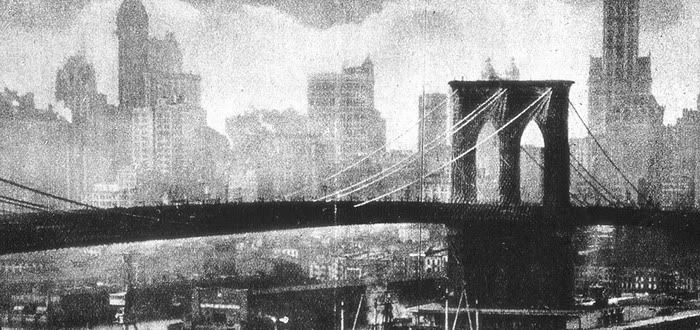
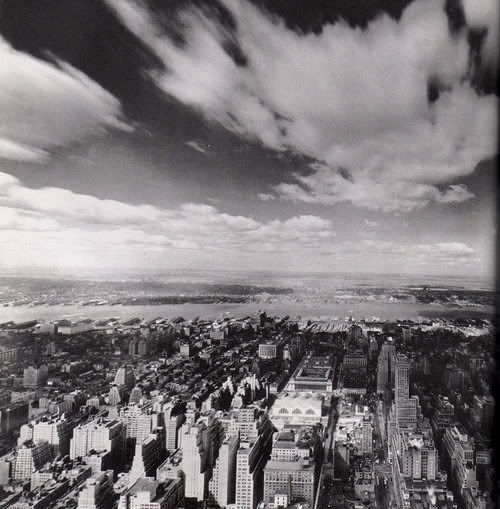
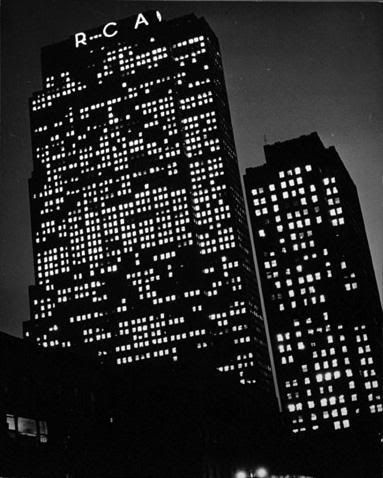
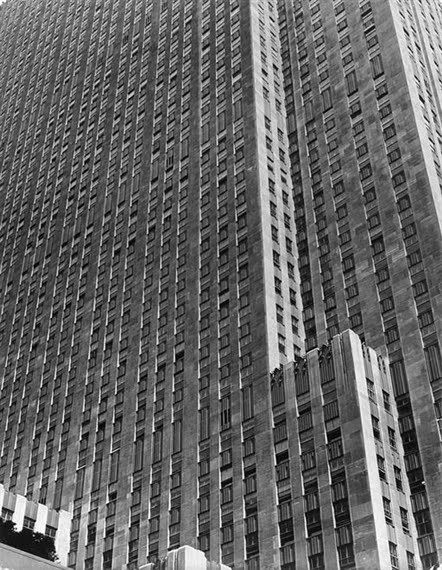
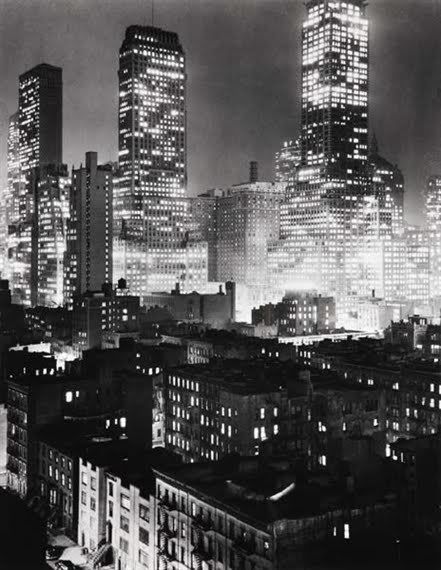
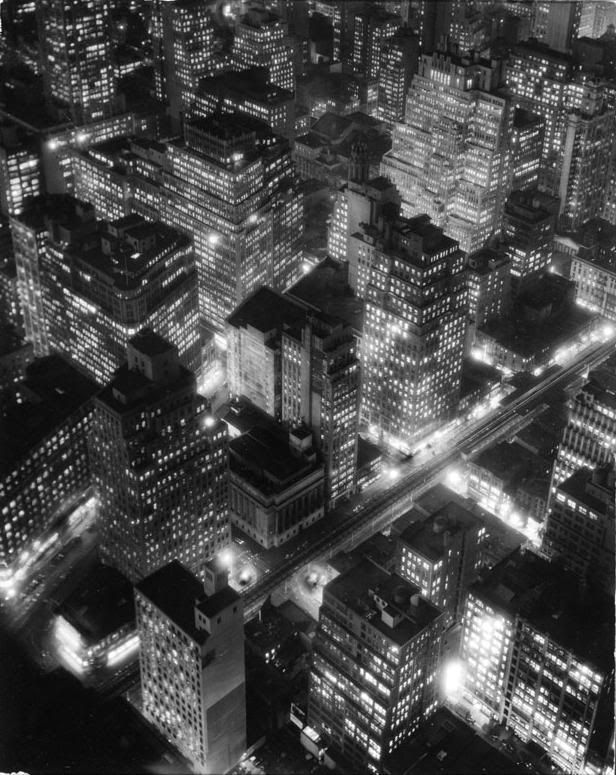
New York, New York


نيويورك، نيويورك
احسان خوش‌بخت
نیویورک به دو شهر اسطوره‌ای حیات بخشیده است. یکی نیویورک رمان‌ها، نمایشنامه‌ها و اشعارست که برای دو قرن به شهری که بالاترین و پست‌ترین را توامان در خود دارد پرداخته‌اند. «دراین شهر ما در ایستگاه بروکلین می‌ایستیم و سوار بر ترن به خیابان پنجم لبريز از تاکسی‌ها می‌رسیم، در لژ ویژه آکادمی موسیقی جا خوش می‌کنیم و در اتاق پذیرایی خانه‌اي كه به سنت معماري يوناني در واشنگتن اسکوئر آراسته شده آرام مي‌گيريم. به هولدن کالفیلد در سنترال پارک، ناتان دیترویت و اسکای مسترسون در تایمز اسکوئر، استینگو در بروکلین، گتسبی و دیزی در هتل پلازا ملحق می‌شویم. در آپارتمان‌های ایست‌ساید پنهانی به منازعه زوج‌های جوان گوش می‌سپاریم. در بالای وست‌ساید صدای فقر را با لهجه‌ای ناآشنا می‌شنویم؛ این بار در قهوه‌خانه‌های ماتم زده‌ای که سال بلو و بقایای خوانندگان پیرایزاک باشویس لیوان‌های غمگینشان را بالا می‌اندازند. پوچی و خشم در بلوک‌های مستاجرنشین هارلم در لنگستن هیوز یا در چشم‌انداز اتوپیای رو به اضمحلال پروژه خانه‌سازی جیمز بالدوین، در هوای گرم و راکد نوشگاه هری هوپ؛ در وست ساید پایین یوجین اونیل كه تنفس دشوار می‌شود. ملویل و دریا، فرانک اوهارا و وعده مدرنیسم از سیگرام پلازا، عبور از ایست ریور با ویتمن و انتظار در ایستگاه پنسیلوانیا با وولف، ما به شهر لحظه‌ها گوش می‌سپاریم و خود زمان را می‌شنویم.» (خط افق سلولويدي، جيمز سندرز) و نيويورك موزيسن‌هاي جاز؛ نيويورك الينگتون سوار بر قطار A، پاييز با بيلي هاليدي در عمق دره‌هاي فولادي و در ميان بادهاي سرد بيش‌ از حد تحمل گوشت و استخوان، و تابستان دم كرده با چارلي پاركر در كافۀ بردلند.
نيويورك بیشتر از هر شهری در عالم شاهد تكاپوي اجتماعی است. صحنه‌هايی در خور هر داستانی از ظهور و سقوط سریع شخصیتها. مردم از تمام طبقات اجتماعی در کنار هم و در انبوه جمعیت پیش می‌روند. جایی مناسب برای غیرعادی‌ترین آشنایی‌ها – بین زنی بازیگر و ولگردي مفت خور، بین خانم‌باز و منشی – و خلاصه آن‌قدر رفت و آمد از همه نوع در این شهر وجود دارد که هر خالقي می‌تواند طرح هر قدر عجیب و غیرعادی درامش را بر آن بنا کند. هر قدر غیرمعمول باز هم متقاعد کننده.
اما صورت اسطوره‌ای دیگر نیویورک از آن سینماست، شهری که حتی بیشتر از شهر ادبی آن در تصور ما به عنوان جوهره ابدی نیویورک جا خوش کرده است. چرا؟ ساده ترین جواب می‌تواند این باشد که فیلم‌ها خیلی عامه پسندتر از کتاب‌هایند و در تمام دنیا از آسیا و اروپا تا آمریکای جنوبی و خود ایالات متحده فیلم‌های نیویورکی نزدیک به یک قرن است که به نمایش درمی‌آیند. برای خارجی‌ها تصویر شهر اسطوره‌ای معنایی ویژه نیز دارد چرا که مکانی واقعی را توصیف می‌کند؛ جایی که در همان لحظه‌ای که در واقعیت وجود دارد در اسطوره نیز بازآفرینی می‌شود. برخلاف مثلاً یک فیلم وسترن که توسط همه به عنوان دنیایی گمشده در غبار گذشته بازشناخته می‌شود نیویورک شهری است که حتی با این که روی پرده خلق می‌شود آنجاست و آماده است تا به دیدارش برویم.
به نظر می‌رسد نیویورک و سینما برای یکدیگر ساخته شده‌اند. نیویورک شهری است خستگی ناپذیر، پویا و ایده‌آل برای تصاویر متحرک و ساخت یک فیلم. شهری با تصاویر قدرتمند از بناهای افسارگسیخته و تندوتیز عمودی و گستره‌های افقی، دیواره‌های شفاف و سایه‌های تاریک و تونالیته‌های ظریف بينابين؛ مناسب برای یک فیلم در بصری‌ترین شکل ممکن. شهر زندگی‌های برق آسا که مناسب ایجاز مورد نظر فیلم‌هاست و همه باید داستان‌هایشان را، حتی داستان‌هایی حماسي را، در کم‌تر از صد دقیقه بازگو کنند. وسعت نامحدودی برای دستمایه‌ها وجود دارد چراكه یکی از مهم‌ترین ارزش‌های شهر ابعاد و پیچیدگی فوق العاده آن است. چه‌قدر فیلم تا بحال در نیویورک ساخته شده؟ صدها و حتی هزاران.
اصلاً فیلم‌سازی از خود نیویورک آغاز شده. ادیسون، لومیرها و حتی ملي‌یس شعبه‌ای در این متروپولیس داشتند و به خوبي می‌دانستند که هیچ شهری به اندازه نیویورک آماده پذیرش و گسترش این سرگرمی غیرعادی نیست. حتی بعد از این که صنعت غول پیکر شده سینما برای بهره‌وری از آفتاب بیشتر و زمین‌های آزاد خدا به ساحل غربی منتقل شد این نیویورک بود که طیاره‌ها و ترن‌های مملو از استعدادهاي تازه كشف شده را به هالیوود می‌فرستاد. حتي بعد از زمانی که فیلم‌سازان به کالیفرنیا هجرت می‌کنند هنوز هم نیویورک موضوع فیلم‌هاست. شاهد، خود عناوین فیلم‌هایند که از اين شهر وام گرفته شده‌اند:
بخش‌ها: منهتن، ملودرام منهتن، درختي در بروکلین می روید، در بروکلین اتفاق افتاد، برانکس قلعه آپاچی. خیابان‌ها: خیابان چهل و دوم، وال استریت، معجزه در خیابان سی وچهارم، خانه‌اي در خیابان نود و دوم، جیب بر خیابان جنوبی، زندانی خیابان دوم. محله‌ها: ایستگاه بعدی گرینویچ ویلیج، کاتن به هارلم می آید، داستان وست ساید. مغازه‌ها، کلوب‌ها و تئاترها: صبحانه در تیفانی، کاتن کلاب، شبی که آنها به مینسکی تاختند. هتل‌ها: پلازا سوییت، آخرهفته در والدورف . ساختمان‌ها، المان‌ها و پارك‌ها: امپاير استيت در ماجراي بيادماندني و كينگ كونگ، مجسمه آزادي در خرابكار، پل بروكلين در شهر برهنه، سنترال پارك در مرد من گادفري و تایم اسکوئر در هزاران تصوير متحرك سينمايي و غير سينمايي. در پس زمینه خبرهايي از دنياي سرگرمي، کنسرت‌های موسیقی، تبلیغ آخرین جادوهای دیجیتال ژاپنی به اضافه سایر نشانه‌های جهانی مانند کوکاکولا، چهارراهی که واقعیت و رويا را به‌هم می‌رساند و از آنجا به هزاران شاخه با هزاران زبان تقسیم می‌شود. تلویزیون‌های غول آسايي که تصویری فوتوریستیک از شهر می‌سازند. حتي خبر مرگ سلطان رسانه‌ها چارلز فاستر کین در همشهري كين بر صفحه‌های لامپی غول آسای همین میدان اعلام شد.
البته هیچ نامی با برادوی قابل مقایسه نیست که به تنهایی دنیای فیلمیک خودش را بنا کرده است و هیچ مکانی در دنیا به اندازه آن اسم فیلم‌ها نبوده است. همه ملودی‌های برادوی (40، 38، 36،29)، دو دختر در برادوی، دو بلیت به برادوی، فرشتگان بر فراز برادوی و گلوله‌ها برفراز آن، ریتم برادوی و سرناد آن. برادوی از سوراخ کلید، خوشگلا در برادوی و خوشگلایِ برادوی، تزار برادوی و حضرت سلیمان آن. دکتر برادوی و دوشیزه کوچک برادوی. چارلی چان در برادوی، خانواده بارکلی از برادوی و دنی رز برادوی. مین استریت به برادوی، آریزونا به برادوی، برادوی به هالیوود. تازه اگر نخواهیم به زامبی‌ها در برادوی اشاره کنیم. و سينمادوستان و مردم عادي با این نشانه‌های شهری، چنان‌كه گویی مال شهر خودشان است، كاملاً آشنا هستند.
این پیوندی بنیادین است. مثل یک فیلم نیویورک نه تنها به رومانس، شکوه، خطر و ماجرا جان می‌بخشد بلکه مرزهای غایی آن را تعریف می‌کند. نیویورک هرچه که هست، سينما نيز در ذاتش همان است و فقط سعی می‌کند به آن ابعاد و گستردگی بیشتری بدهد. فیلم، نیویورک را دگرگون کرده، شهری فراخ با هر معیاری که حتی از خلال ابرها و از دید طیاره‌ها نیز غول آسا به نظر می‌رسد. نيويورك اسكورسيزي، نيويورك روشنفكران در جزيره منهتن وودي آلن و به قول جورج کیوکر بوی فاضلاب خیابان در فیلم‌های اندي وارهول. خيابان چهل و دوم با موسيقي جاز در فيلم‌هاي كاساوتيس و نيويورك پليس‌ها و قاضي‌هاي سيدني لومت. امروز تصویر لندن، پاریس، رم و نیویورک علاوه بر شهری با مشخصات جغرافیایی معلومش به فیلم‌های کارول رید، تروفو، فللینی و وودی آلن هم بستگی دارد، بخشی ناخودآگاه که شاید تاثیری ژرف‌تر داشته باشد.

Wednesday, 30 June 2010

Tuesday, 29 June 2010

Notes on Celluloid Architecture


فیلم‌ها، مثل زندگی، به‌تنهایی بی‌معنايند. همان‌طور که زندگی با اضافه شدن مفاهیمی قراردادی، و بیشتر از همه با نزدیک‌کردنش به حقایقی مسلم و حی و حاضر – مثل طبیعت – به نقطه‌ای قابل زیستن می‌رسد، سینما نیز باید از جای ِ سنگین و پایۀ سیمان گرفته‌اش آزاد شود و در ارتباط با زندگی و سایر هنرها به معنایی برسد که شایسته آن است. آن‌چه ادبیات یا تئاتر می‌توانسته برای سینمای انجام دهد در طول صد سال گذشته – لااقل از منظر تئوری و تحلیل فیلم – انجام شده و تغییر و تنوع آن در این سال‌ها چنان اندک بوده که می‌توانیم ادعا کنیم ملال و تکرار آن بیشتر از سود و لذتش بوده است. من تمام سعی‌ام را انجام داده‌ام تا بتوانم هر چه بیشتر «در فیلم‌ها» ببینیم، درست به همان اندازه که سعی کردم هر چه بیشتر «از فیلم‌ها» ببینیم. در این کتاب، تلاش من برای معرفی یکی از بخش‌های کمتر مورد توجه قرار گفته هنر فیلم، یعنی معماری و فضاست. نگاه من به مسأله متناوباً بین نگاه یک سینماگر و یک معمار در نوسان بوده است؛ با این پیش فرض که رابطه منطقی دو معماری و سینما، با آگاهی از مفاهیم بنیادین آن و حفظ استقلال هریک، منجر به ظاهر شدن تصویری تازه از تأثیر متقابل این دو هنر برهم شود.
گري كوپر در سرچشمه

کتاب معماری سلولوید تلاشی است برای دادن مسیری تازه به نگاه ِ تماشاگر. در حالی که خیره ماندن به ستاره فیلم، نور، رنگ و حرکت برای تماشاگر سینما امری طبیعی است، و از خلال آن‌هاست که روایت سینمای خوانده، یا درک، می‌شود، درک "فضا" در اثر سینمایی همچنان بیشتر به شکلی ناخودآگاه صورت مي‌گيرد. هدف من در این کتاب مروری دوباره بر عناصر سازنده دنیا فیلم است، تا آن حد که بتوان از فضای فیلم به اندازه ستاره فیلم لذت برد و سخن گفت. فضا، از پس ذهن بیننده و از حد قیاس‌ ناخودآگاه با تجربیات فضایی حقیقی او رها شده، پیش آمده، و با روش‌هایی مشخص برای مشاهده و تحلیل به یکی از مهم‌ترین اجزاء قابل ِ تحلیل اثر سینمایی بدل می‌‌شود.
تحقير

فضای اثر سینمایی عبارتست از هر آنچه در قاب می‌بینیم از بازیگران گرفته تا معماری صحنه، اما این فضا بیشتر از همه تعیین نوع رابطه این عناصر با همدیگر است که می‌تواند توسط کارگردان، از مرحله طراحی فیلم و فیلم‌برداری تا تدوین و افزوده‌های کامپیوتری، دستخوش تغییرات فراوانی شود. درست است که بیشتر تمرکز این کتاب روی نقش معماری در فیلم، طراحان صحنه و کارگردانان در خلق دنیای فیلم و اتمسفر منحصربفرد آن است، اما نباید فراموش کرد که کسانی چون منی فاربر، ستاره‌های سینما را نیز یک "واحد فضایی" در فیلم می‌دانستند، عقیده‌ای که در نگاه اول کمی مکانیکی به نظر رسیده، اما در نهایت توضیح دهنده بسیاری از پیچیدگی‌های هنر فیلم است و توضیح این که چرا هنوز جان بَری‌مور ستاره‌ای بی‌رقیب مانده و چرا با تمام تقلاهای ستارگان امروزی برای «خوب بازی کردن»، بازیگری مثل ادوارد جی رابینسون ( که یکی از سه نفری است که کتاب به آن‌ها تقدیم شده) با یک اشاره‌ می‌تواند حضور آن‌ها را کم‌رنگ کند.
سين سيتي

شِکل کتاب و بخش‌های مختلف آن به صورتی است که می‌توان آزادانه از هر فصلی شروع به خواندن کرد، اما ترجیح شخصی من، خواندن از آغاز و رعایت سیر ِ 1) مفاهیم بنیادین 2) کارگردانان، فیلم و بازنمایی فضایی 3) طراحان و معماری فیلم است.
در بخش‌های مختلف کتاب (سه بخش کلی و هفده فصل ِ زیرمجموعه آن‌ها) تلاش شده تا مفاهیم بنیادین دو هنر (در رأس آن‌ها تکیه روی مفهوم فضا و زمان، و یا آن‌طور که در کتاب خواهید دید: فضا-زمان) و شکل استفاده کارگردان‌ها از معماری و نحوه بازنمایی فضا در آثار آن‌ها (با تکیه بر آثار آنتونیونی، هیچکاک و برسون) طرح شود. هم‌چنین مرور تاریخ طراحی فیلم و دکورهای سینمایی، مطالعه آثار هشت طراح از دوره‌های مختلف سینمای اروپا و آمریکا و بازخوانی سبک معماری ویژه هر استودیو، ژانر و کشورهای مختلف - که با نزدیک به 500 تصویر همراه شده - بخشی مهم از کتاب را تشکیل می‌دهد.
2046

در پایان، ایده‌آل من، این است که تحلیل فیلم بیشتر از هرچیز به تحلیل فضای اثر سینمایی اختصاص پیدا کند (که امیدوارم با "معماری" آن اشتباه گرفته نشود، چون معماری فقط بخشی از آن است) چراکه تصور من این است، دلیل کشش ما به فیلم‌هایی چنین متفاوت در داستان‌، دیدگاه‌، و ظاهر، در یک نقطه مشترک است: جاذبه دنیای منحصربه‌فرد و سیال سینما که با ظرافت و خلاقیت بی‌مانند ساخت یک آسمان‌خراش قابل مقایسه است. تنها تفاوت این است که در این‌جا مصالح کار به جای فولاد و بتن، نور، سایه و رنگ‌اند و به جای معماری ایستا، معماری شناوری که زمان و مکان را درمی‌نوردد به موضع خلاقیت فیلم‌سازان بدل شده است. این همان چیزی است که آن را معماری متافیزیک می‌خوانم، دنیایی که امروز تأثیر آن بر دنیای واقعی بسیار بیشتر از نفوذ واقعیت بر جهان فیلم شده است.
احسان خوش‌بخت
اين نوشته اولين بار به‌عنوان «يادداشت مؤلف» در بخش ويترين كاغذي ماهنامه 24 در شماره خرداد 1389 چاپ شده است.


Sunday, 27 June 2010

Liberalism/Fascism

Still:
André Kertész

Motion:
Henri Verneuil's La Vache et le prisonnier (1959)