Wednesday, 6 June 2012

Three Significant Films of the Year for 24 Monthly


ماهنامه بيست و چهار از من خواست سه فيلم «مهم» سال انتخاب كنم. اين سه فيلم انتخاب‌هاي من بودند و چند خطي اجازه داشتم دلايل اهميت اين فيلم‌ها را توضيح بدهم:

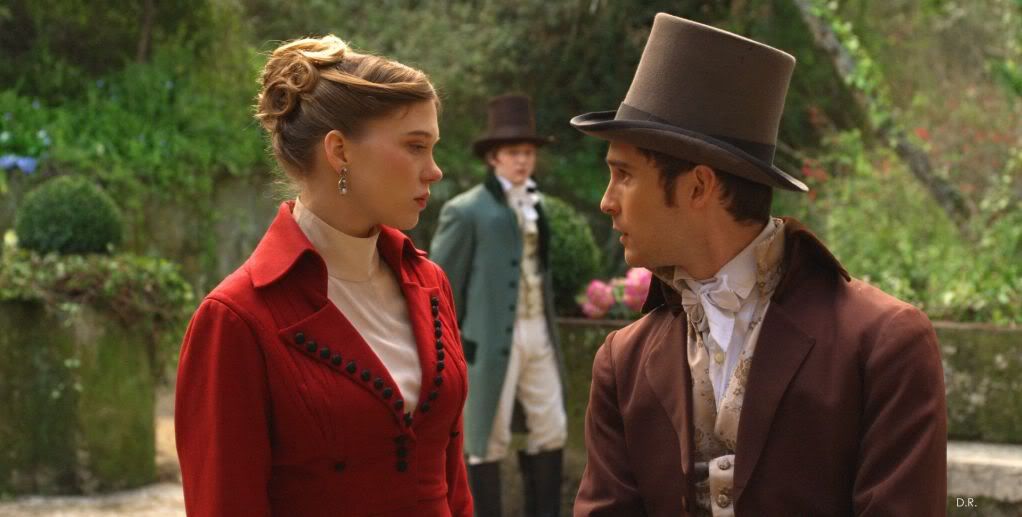
معماهاي ليسبون (رائول روئِس)
272 دقيقه وقت داريد حركت تدريجي نور خورشيد را روي برگ‌هاي سبز حيات‌ خلوت قصرهايي در ليسبون نظاره كنيد، يا به اين فكر بيفتيد كه ثبات شخصيت‌ها در هنر سينما و اين‌كه هركدام واجد ويژگي‌هايي مشخص و ثابتند آيا يك اشتباهِ فني و دست و پا گير در هنر سينما نبوده؟ چه مي‌شود اگر شخصيت‌ها هر نيم ساعت يا يك ساعت تغيير حالت و تغيير شخصيت بدهند؟ آيا معماهاي ليسبون مي‌توانست هم‌چنان بعد از چهار ساعت و نيم پرسه در صومعه‌ها و قصرها ادامه پيدا كند؟ تصور من اين است كه معماهاي آن براي ادامه يافتن تا روزهاي متمادي كافي بود. معماهايي كه مثل معماي بزرگ - هنر سينما - هرگز پاسخي روشن پيدا نمي‌كنند.

Friday, 11 May 2012

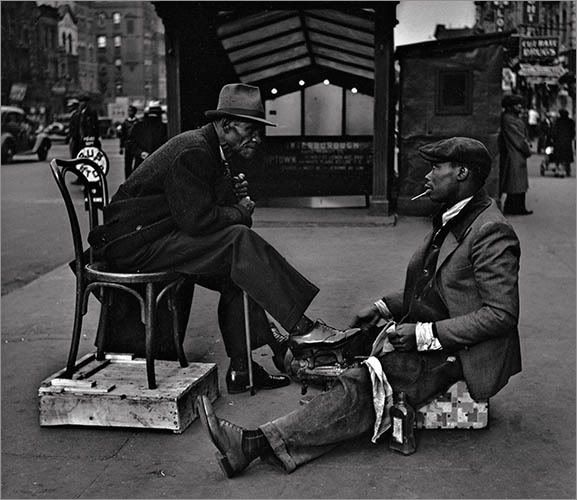
Shoeshine

Still: John Gutmann (1905–1998)

Motion: The Band Wagon (1953); Vincente Minnelli (1903-1986)

Thursday, 10 May 2012

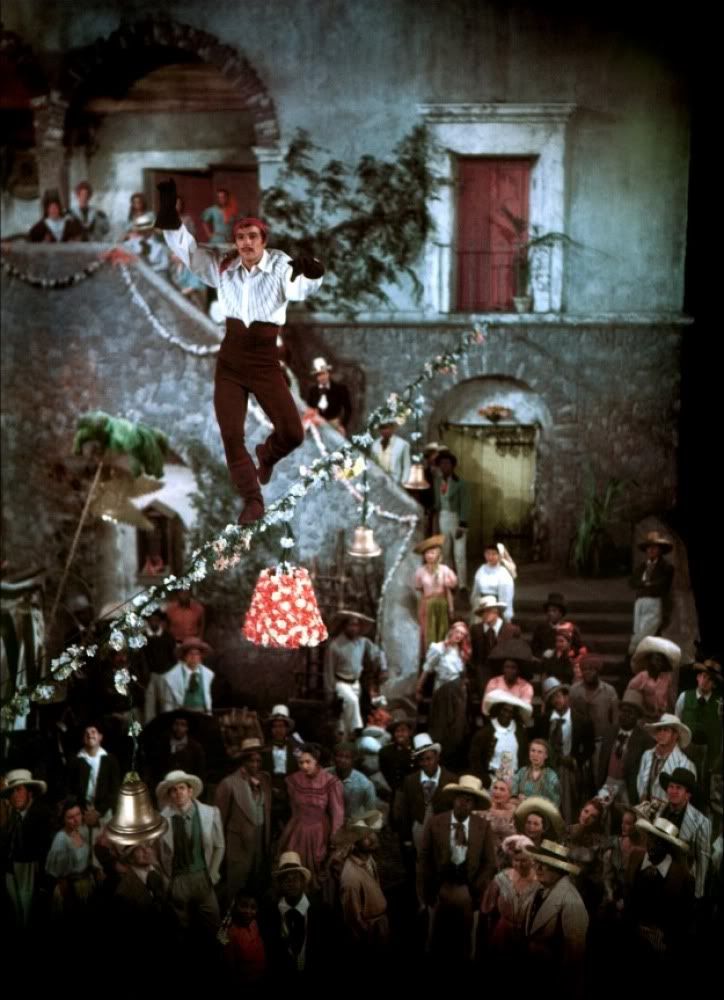
All Girls Are Called Niña

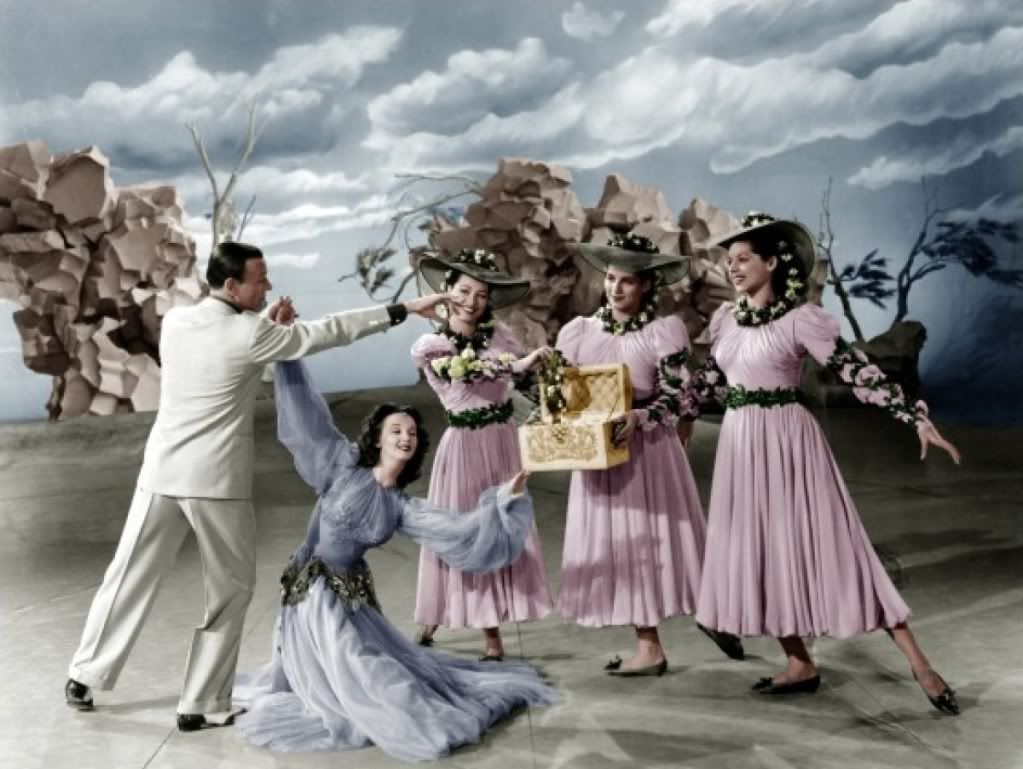
In 1946 a campy version of the Broken Blossoms (D. W. Griffith, 1919) provided the material for a number in Vincente Minnelli's The Ziegfeld Follies, in which a setting of a London Street, standing on one of the sound stages which had been used in The Picture of Dorian Gray, becomes the set for the new musical. [1]

Up to this point, Minnelli was constantly referring to cinema in his films, but from this particular number on, it seems as if he is taking the liberty in directly quoting other films. His next musical project, The Pirate (1948), is another homage, this time to the Swashbuckler films of silent cinema, or precisely, what Minnelli envisioned of Douglas Fairbanks gymnastics and John Barrymore canned ham.[2]

Friday, 4 May 2012

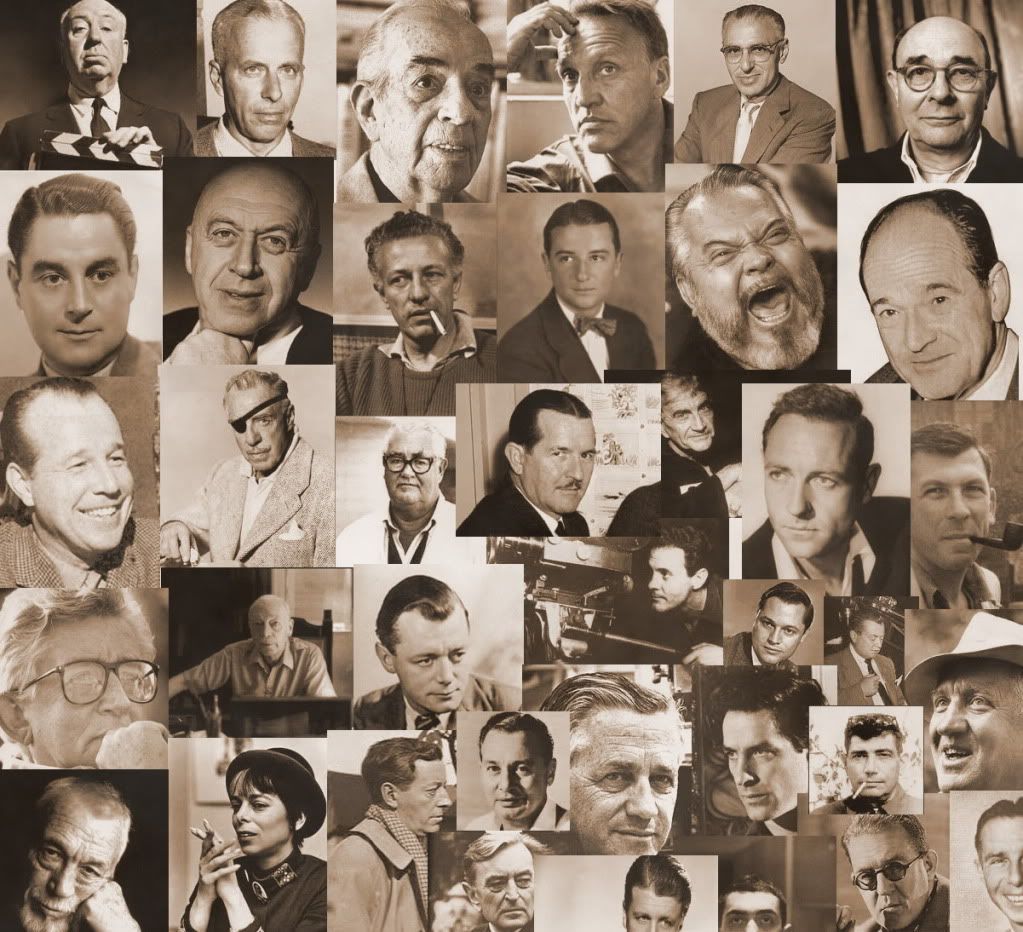
"Movie" Pantheon


I found this English version of Sarris' Pantheon on the Movie Reader, a book edited by Ian Cameron (London, 1972). Put together to give a taste of magazine's "politics" and strategies in 1962, when it originally appeared, the list contains many surprises:

  • John Ford of 1962 is only very talented, meaning The Man Who Shot Liberty Valence is no more than the work of a "very talented" person!
  • Hallelujah for inclusion of Argentinean Hugo Fregonese. 
  • Richard Breen wrote some average screenplays and directed only one film in 1957. How his name made it to the "talented" list, one has to see Stopover Tokyo.
  • Shirley Clarke and John Cassavetes are only competent or ambitious. Movie fails to see the new directions in American cinema.
  • Cy Endfield and Terence Fisher belong to "The Rest." No respect for commercial cinema and genre masters.
  • Sarris' "Less than Meet the Eyes" and "Strained Seriousness" are Movie's "Very Talented" filmmakers.
Explore the British Pantheon:

Thursday, 3 May 2012

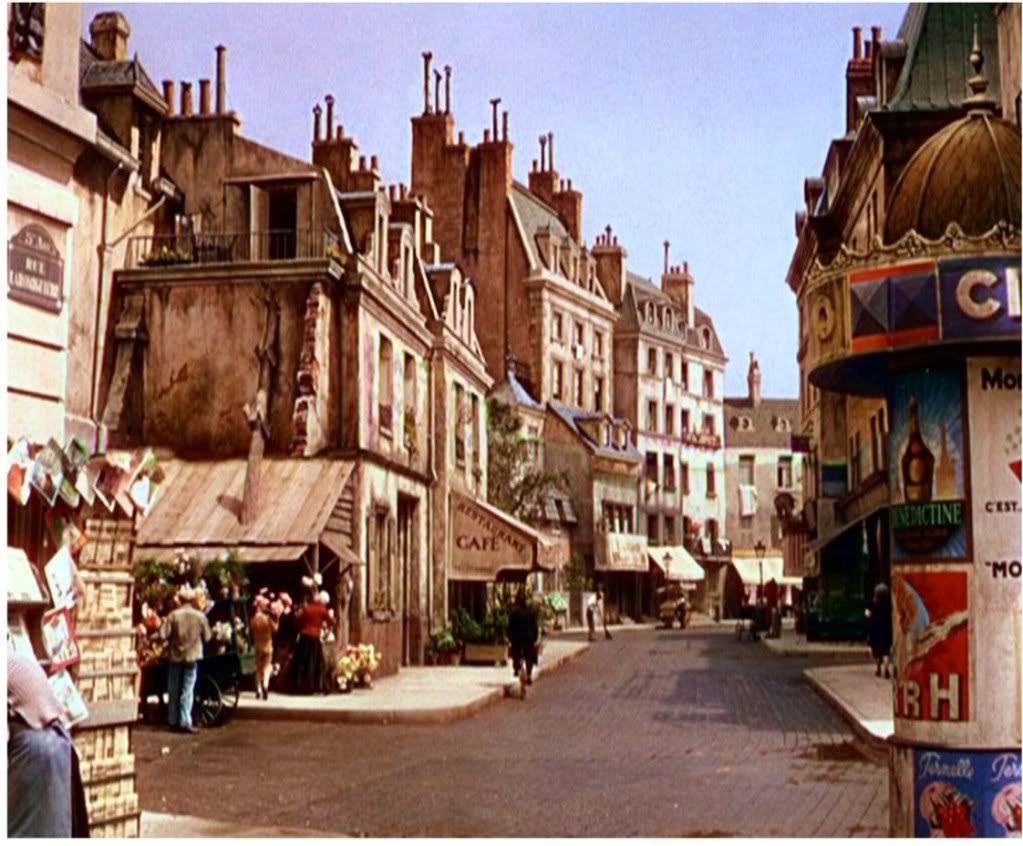
Paris Reimagined by Vincente


Paris appears, but all its color has been drained. It's a fickle city that will falsely enchant, then mock you. Suddenly the color is harshly splashed into the image and the spirit of the city is evoked. We [Minnelli and Preston Ames] used two identical  sketches except that one is in black and white and the other in color-placed at an angle so that they're reflected in the center black glass mirror through which we were shooting. The black and white sketch was first lighted, then gradually the color sketch comes into existence - Gene [Kelly] standing in front of it-as each segment of color is splashed onto the image to suggest the spirit of the city.

Monday, 30 April 2012

The Matter of Design

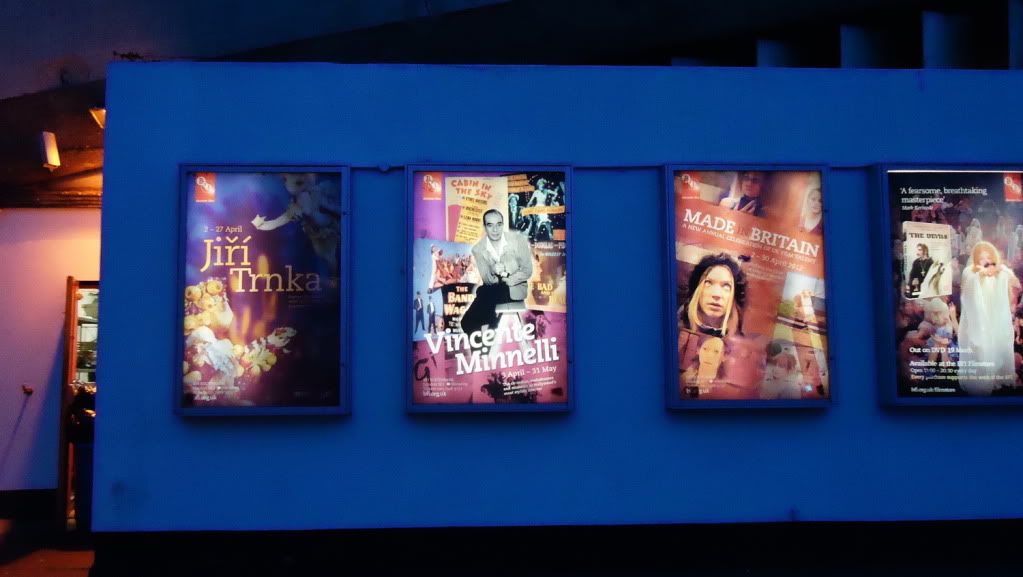
Southbank, London, April 2012. ©Ehsan Khoshbakht
Vincente Minnelli & the matter of design, today on MUBI's Notebook.

Saturday, 28 April 2012

The Art of Joe McElhaney


If I want to single out one book, among what's been written so far, on cinema of Vincente Minnelli, my choice, without any doubt, would be Vincente Minnelli: The Art of Entertainment, edited by Joe McElhaney. Jonathan Rosenbaum gives a good set of reasons why this book is important, which can be read here.

Mr. McElhaney, an associate professor in the Film and Media Studies at Hunter College, has brought together every imaginable name in the Minnelli's realm, under one colorful roof to map the critical changes in the reading of Minnelli's cinema since 1960s.

Thursday, 26 April 2012

Raymond Durgnat on "Bells Are Ringing"


This essay is from March 1973 issue of Film Comment. The current copyright holder is © Raymond Durgnat Estate (Kevin Gough-Yates) and it's been published here with their kind permission. Visit the official website of Raymond Durgnat estate here.


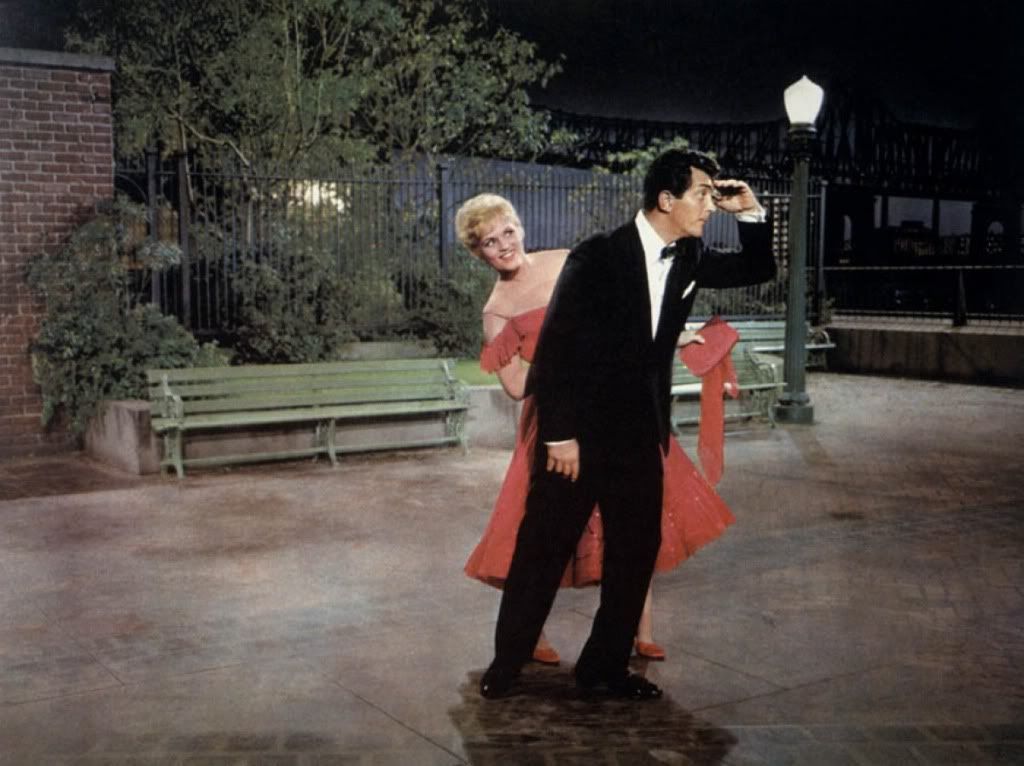
Alongside the generally accepted trio of classic post-war musicals—On the Town, Singing in The Rain, The Band Wagon—l’ve long wanted to range a fourth: Give a girl a break. Between these and honorable third-line material like The Pirate, Summer Holiday, Funny Face and Kiss Me Kate l’d place some which grapple, more or less ruefully, with some post-war disillusionments: It’s Always Fair Weather, maybe The Girl Most Likely (Mitchell Leisen, 1958), Three For The Show (H. C. Potter, 1955) and The Girl Can’t Help It, and Certainly Bells Are Ringing (if one classes it as a musical rather than as a comedy with musical numbers).

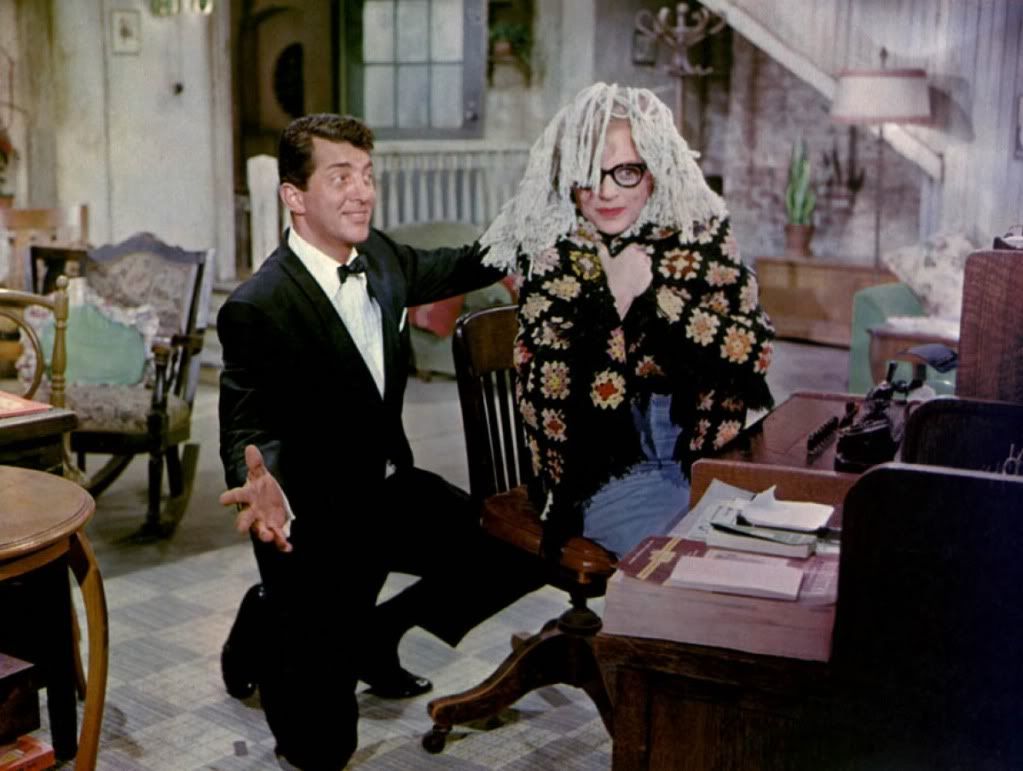
My record-sleeve summarizes the plot thus: “Ella Peterson (Judy Holliday) has never met Jeff Moss (Dean Martin) but has fallen in love with him while handling his calls at Susanswerphone, a telephone answering service which she runs with her cousin, Sue.” The partners personify the alternative attitudes which are positive and negative poles of the film’s morality. Ella is always sympathizing with the unseen clients for whom she takes and leaves messages. Sometimes, not content with worrying, she quits her switchboard to do what she can to help. Sue, older and more wearied, reproaches her for worrying, for getting involved.

Friday, 20 April 2012

Yolanda's Dream

Jane Feuer examines the interchangeability of 'reality' and 'dream' in one of the best sequences of Yolanda and the Thief

The ultimate synthesis of the musical consists in unifying what initially was imaginary with what initially was real. Musicals may project the dream into the narrative, implying a similar relationship between film and viewer. The dream resolution, the resolution of the film, and leaving the theater tend to occur within a very short time span. For a little while after seeing a musical, the world outside may appear more vivid; one may experience a sudden urge to dance down the street. The feeling of not knowing quite which world one is in may be evoked within the film as well. Peter Wollen says that, in Hollywood films, everything shown belongs to the same world and complex articulations within that world flashbacks are carefully signaled and located.

Thursday, 19 April 2012

Art of Entertainment

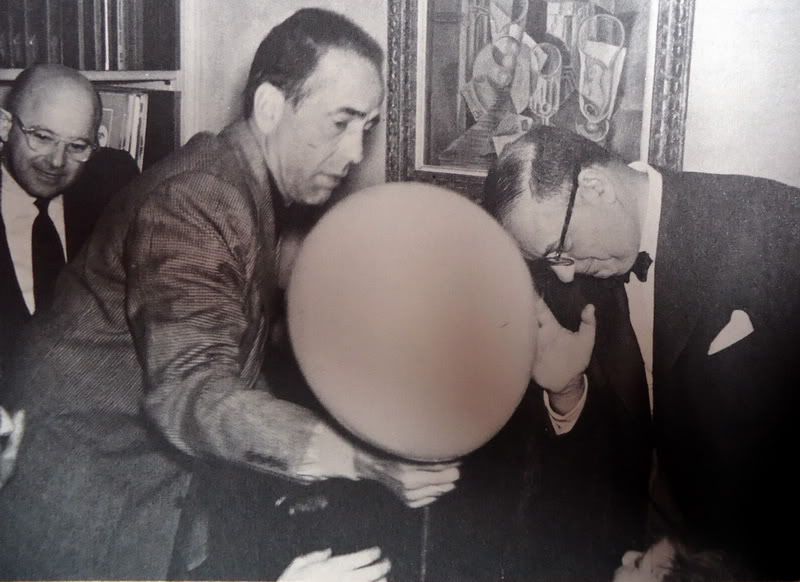
Humphrey Bogart and Ira Gershwin entertaining the very little Liza Minnelli at Minnelli's.

Tuesday, 10 April 2012

Minnelli Loves...


In Mr. Richard Dyer’s introduction to the season of Minnelli which took place at National Film Theatre, someone asked about the influences on Minnelli’s cinema. It was near the end of the Q&A session, and memories couldn’t sever us well to point out that most of the directors who made an impact on Minnelli, were, as a matter of fact, European ones. If we want to bring up just one name, whose style and ideas can predict a great part of Minnelli’s career, that would be the painter, poet, designer, filmmaker Jean Cocteau. It’s tempting to see most of Minnelli’s film as variations of Blood of a Poet, made by Cocteau in 1930.

Monday, 9 April 2012

Vincente Minnelli Books


A Pictorial Bibliography of Vincente Minnelli (1959-2010)
If you want to enlarge or save any of these pictures, just click on the slideshow.

Sunday, 8 April 2012

Undercurrect#2

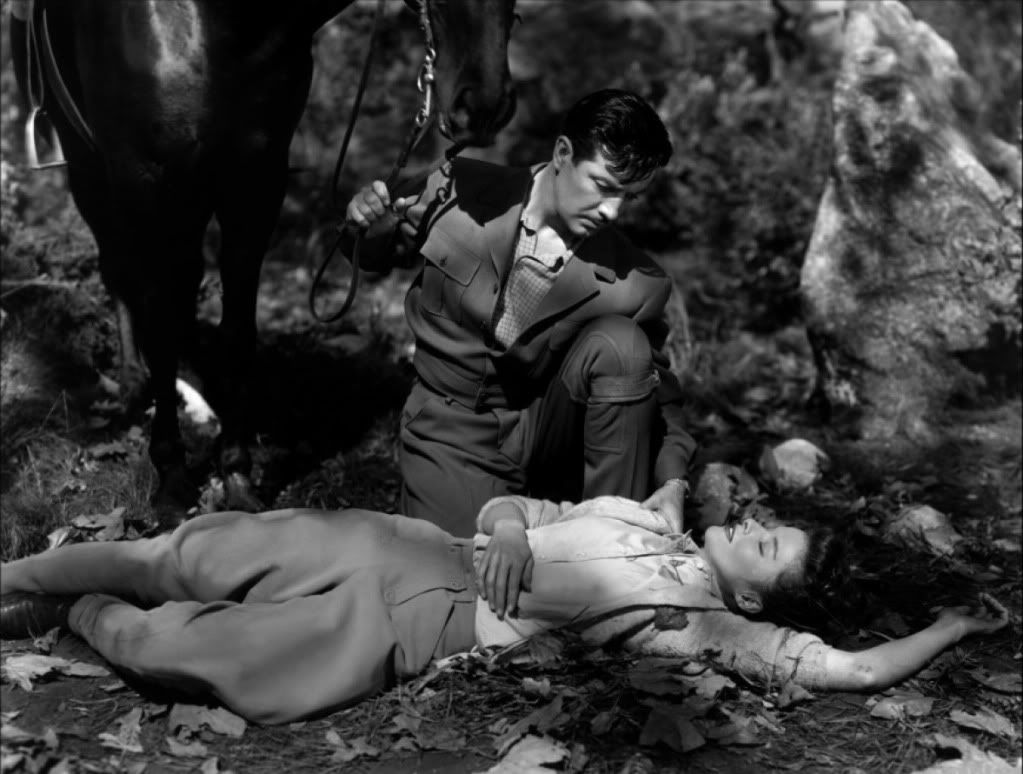
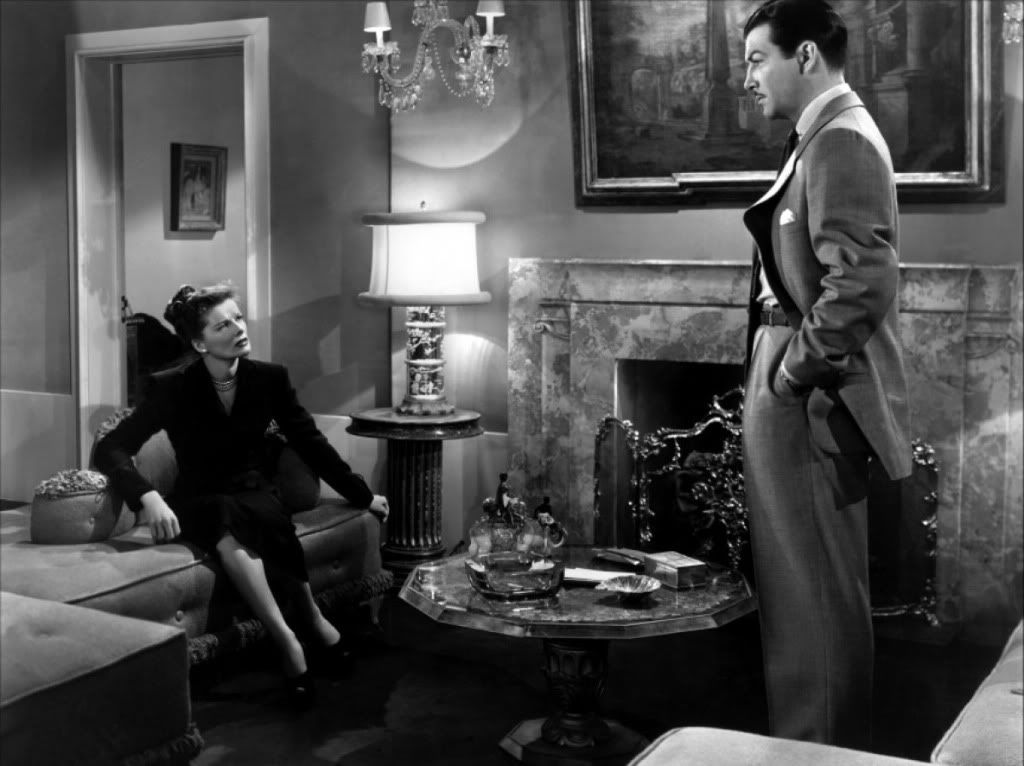
Second part of Minnelli's reminiscing of how he worked with Katherine Hepburn, Robert Mitchum and Robert Talylor in his only film noir, Undercurrent (1946). Part one can be reached here.

Yet, as Kate and I were becoming good friends, I discovered that my cordial relations with Bob Taylor were in danger of deteriorating. He'd taken my chronic vagueness as disinterest, I suppose, and though he never voiced any complaints, I was aware of his dissatisfaction. Bob's wariness, that I was throwing scenes to Kate, ended when he discovered how effective he was being in the picture.

His performance helped us prolong the denouement. Though Bob had gotten over his pretty boy reputation, you still couldn't disguise his charm. The audience simply wouldn't take him for a murderer...until that climactic scene with his brother. The mask was stripped, and his psychopathic character was finally revealed. I started mulling over the scene, to see if I could supply it with a new approach.

Saturday, 7 April 2012

Undercurrent#1

Hepburn and Taylor - Shadow of Mitchum

Undercurrent was one of the few Minnelli's films, outside his familiar territory of musical, melodrama and comedy. Surprisingly, it was a film noir. Probably one of the oddest films in Minnelli's career, it still bears some of key themes of Minnelli's world, especially those related to the darker side of him. Last night's screening of Under the Clock [US: Clock] at NFT, showed how ready was Minnelli for noir genre in the 1940s. In Under the Clock, there is a scene when newly married couple enter a run-down bar, where a mad woman and a loquacious drunk, in a low-key photography, talk about un-Americans, madness, corruption and "dogs" which is a disturbing scene, almost like a mistake, in a sweet melodrama. I thought that scene can be approached as an equivalent of Halloween sequence of Meet Me in St. Louis, made one year earlier, where a sudden destruction of the dream world shocks the Minnelli's characters. Here, from his autobiography, I Remember It Well, Minnelli, charmingly, tells the story of how he worked with three major stars in Undercurrent. This is part one of his memoirs about Undercurrent. Film will be shown tomorrow (8 April, 18:30) at NFT, and the second screening is 18 April, 20:40.

Bob Mitchum feels it was fiscal collusion between the studio and David Selznick, to whom he was under contract that brought him the part. For he admits he was never comfortable in the role of the sensitive Michael.

But Bob didn't need the later-developed Mitchum swagger to convey his innate strength. He's always underestimated his ability.

I can't deny that Selznick was being paid $25,000 a week to loan out Bob for my picture, and getting the same amount for a second Metro picture, Desire Me, which Bob was shooting in the afternoon. On top of this, Bob was working at night on The Locket at RKO. "I worked the three pictures for twenty-six straight days," Bob remembers. "We'd shoot all night at RKO, then I'd report for Undercurrent from seven in the morning until noon, when I'd be flown to Monterey to work all afternoon on the picture with Greer Garson." No wonder he became famous for his sleepy eyes.

Friday, 6 April 2012

On An American In Paris [repost]


مقاله زير واكنش من به يادداشت ديويد تامسون درباره يك آمريكايي در پاريس در كتاب Have you seen? است كه پيش‌تر در شماره 401 ماهنامه فيلم چاپ شده است.
يـك آمـريـكـايـي در پـاريــس: شـور عـشـق و خـلسـۀ هـنـر
آقای دیوید تامسون در کتاب مستطاب «اونو دیدی؟...پیش درآمدی شخصی بر هزار فیلم» که به تازگی منتشر شده و به شهادت مقدمه‌اش حاصل سال‌ها تلاش، دو دلی و از این ناشر به آن ناشر رفتن مولف است در یادداشتی بر یک آمریکایی در پاریس (وینسنت/وینچنته مینلی،1951) و ضمن مقایسۀ آن با کفش‌های قرمز (مایکل پاول و امریک پرسبرگر،1948) به این نتیجه می‌رسند که با یکی از فراموش شدنی‌ترین موزیکال‌های عصر طلایی روبروییم. تامسون در همان خط اول، فرضیۀ "هنر برای هنر" فیلم را به پرسش می گیرد (تلفیق نیش و کنایۀ انگلیسی با نقد مارکسیستی!)، اگر اصولاً چنین فرضی درباره یک آمریکایی در پاریس قابل طرح باشد.
آن چه در یک آمریکایی در پاریس – لااقل از نگاه ما – به عنوان هستۀ مرکزی فیلم دیده می‌شود، تفسیر هنر از هنر (یا هنر دربارۀ هنر و نه برای هنر) است. موضوع آن دشواری آفرینش هنری از خلال تلاطم زندگی، تضاد میان آرمان‌ها و ایده‌آل‌های هنر با تنگناها و مرزهای زندگی حقیقی است که به طور مساوی بین دو شخصیت ایده آلیست فیلم تقسیم شده است، یکی خوش بین و سرزنده که موسیقی در سرشت اوست (جین کلی) و دیگری شخصیتی بدبین (اسکار لِیونت) که به عنوان یک آهنگساز و رهبر، تصویری آکادمیک از هنر را به نمایش می گذارد؛ در حالی که هر دوی آن‌ها به شدت وابسته به یکدیگرند. تامسون فیلم را کپی شده از ایده و میزانسن کفش‌های قرمز می‌داند، از یک سو کفش‌های قرمز را منازعه میان شور عشق و خلسۀ هنر می‌داند و از سوی دیگر یک آمریکایی در پاریس را دربارۀ رابطۀ هنر و جلوۀ دکوراتیو و نمایشی آن می خواند و تبلور این ذهنیت را در سکانس بالۀ هر دو فیلم جستجو می کند. در یکی درامی پرشور را تشخیص داده و در دیگری لحن سرد کارگردانی شیفتۀ جلوۀ موزه‌ای امپرسیونیست‌ها.

Thursday, 5 April 2012

Minnelli's Jazz Portraits


Recently attended a screening of Vincente Minnelli's I Dood It (1942) at National Film Theatre, I was amazed by its dedication to jazz music of the early 1940s. I felt one of the subtexts of the film is the transition from popular big band music to a more personal, wilder and challenging jazz which is soon about to happen in Minton's club. Though there is no reference to revolutionary bop music in I Dood It, the sharp contrast between early scenes in Jimmy Dorsey's MGM style club with its white sets, and overdecorated space with the last numbers played by Hazel Scott and Lena Horne alludes a change in life-style and art in which main characters with their social differences can reunite.

In the "segregated" concept of placing the musical numbers, when the it comes to the "black" numbers, sets are minimalist, or even empty, hence the emphasis has been put on music. The walls of Jericho in a number near the end of the film is a painted paperboard, but the manner in which the musicians are shown, the sound, choreography and dazzling camera movements create the complete space, as if Charlie Parker is rising from the ashes of big bands to give birth to a new sound and a new black identity.

Wednesday, 4 April 2012

The Pirate Isn't Just Decor [repost]


"In what kind of setting is the little image of the great Pirate (1948) lodged, with the signature luxury of its MGM sets that dazzled when their reds glowed, unrivaled, within the huge images being projected in a darkened theater?

And here comes the answer: What difference does it make, since The Pirate and its sets hold up splendidly? Because what they've lost in store-window impact they’ve gained in pure logic. Because, quite simply, this is not a “decorative” film. That’s the decisive point. For if there is a type of film that loses its aura by being deported to the small screen, it’s the decorative film, one that risks being less accomplished in matters of decor than the “interior” is seen. That confrontation, while unconscious, can be quite cruel.

Sunday, 1 April 2012

Clockmaker of the World

كريستين ماركلي، زمان و طولاني‌ترين فيلمِ تاريخ
ساعت‌سازِ جهان

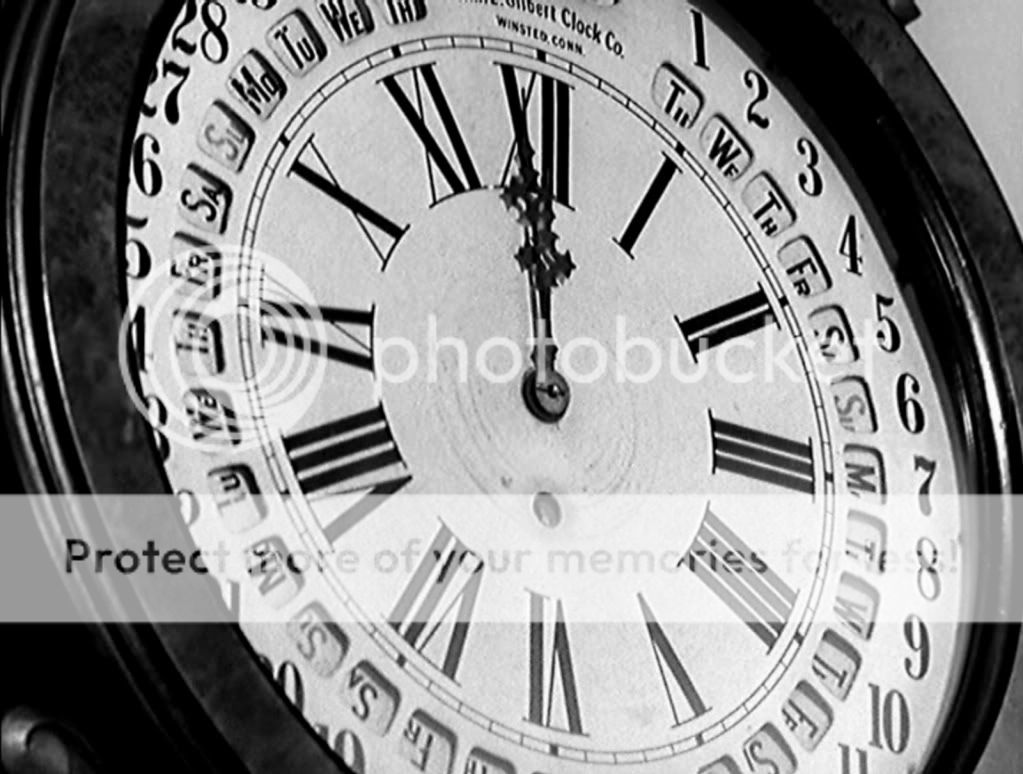
آيا فيلمي را مي‌شناسيد كه وقتي ساعت 8:45 شب وارد سالن سينما شويد، زماني كه روي پرده نشان داده مي‌شود 8:45 باشد و اگر تصادفاً يك ربع ساعت دير به نمايش فيلم برسيد، وقتي به پرده نگاه مي‌كنيد زمان روي پرده ساعت 9 شب را نشان دهد؟ آيا فيلمي را مي‌شناسيد كه طول آن 24 ساعت باشد و زمان روايي با زمان محلي – آن‌چه در ساعت مچي يا روي موبايلتان مي‌بينيد – يكي باشند؟ يك فيلم، و فقط يك فيلم، در تاريخ با چنين مشخصاتي وجود دارد، اما بايد پيشاپيش به چند نكته دربارۀ آن اشاره كنيم: اول – اين فيلم، به معناي واقعي كلمه يك فيلم نيست، بلكه هزاران فيلم است كه به يك فيلم واحد تبديل شده؛ دوم – اين فيلم تنها متعلق به دنياي سينما نيست، چون موزه‌ها آن را نمايش مي‌دهند، اگر چه در سينما يا خانه هم قابل تماشاست. براي توضيح اين پديدۀ استثنايي از كتايون يوسفي كه وقتش را در گالري‌ها مي‌گذراند و سه بار، در ساعات مختلف، به تماشاي فيلم (يا بخش‌هايي از آن) رفته خواستم تا چيزي دربارۀ فيلمِ عجيب و 24 ساعتۀ ساعت (2011) بنويسد:

Friday, 30 March 2012

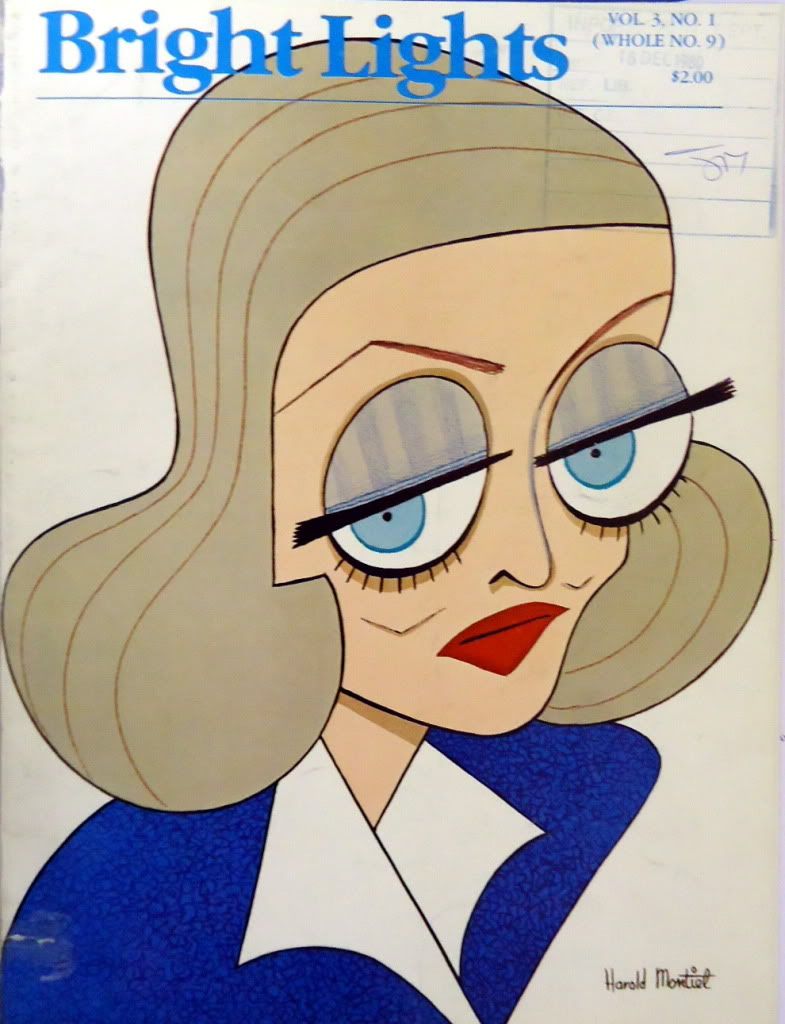
Film Journals#2: Bright Lights


Long before the outstanding online film journal, Bright Lights, there was a glossy magazine with a chic collection of stills which were published in every issue, and a good variety of the articles.

Bright Lights film journal established in 1974, it was discontinued in 1980 to be restarted and re-discontinued in 1993 and 1995 respectively. The magazine moved to online publishing in 1996.

Frankly Reviewd

                                                                                                   
نقد و معرفي كتاب صادقانه بگم عزيزم: نگاهي دوباره به بربادرفته در ماهنامه سينمايي 24

Wednesday, 28 March 2012

A Chat With Laura Groves


I met Laura Groves in the last year's London International Women Film Festival, known as Bird's Eye View. There, Laura and her band, Blue Roses, accompanied the silent Dr. Jekyl and Mr. Hyde with their electronic sound.

At the time, I wrote for Iranian Film Monthly about her imaginative work which was loaded with care for the meaning of every single image, and delivered a feminine sensibility throughout the film. Despite a personal dislike for electronic music for the silent cinema, and various forms of experimentation with the silent films, I was stunned by the brilliance of the Groves’s music and the way it contributed to the film. Her instrumentation was a combination of keyboards, synthesizers, guitar, piano, violin and innovative use of percussions. She even sang for two scenes.

What Laura Groves had achieved in Dr. Jekyll was interesting enough to persuade me to learn more about her work, so two weeks after the screening, I met her again, this time in the bar of the NFT.

Monday, 26 March 2012

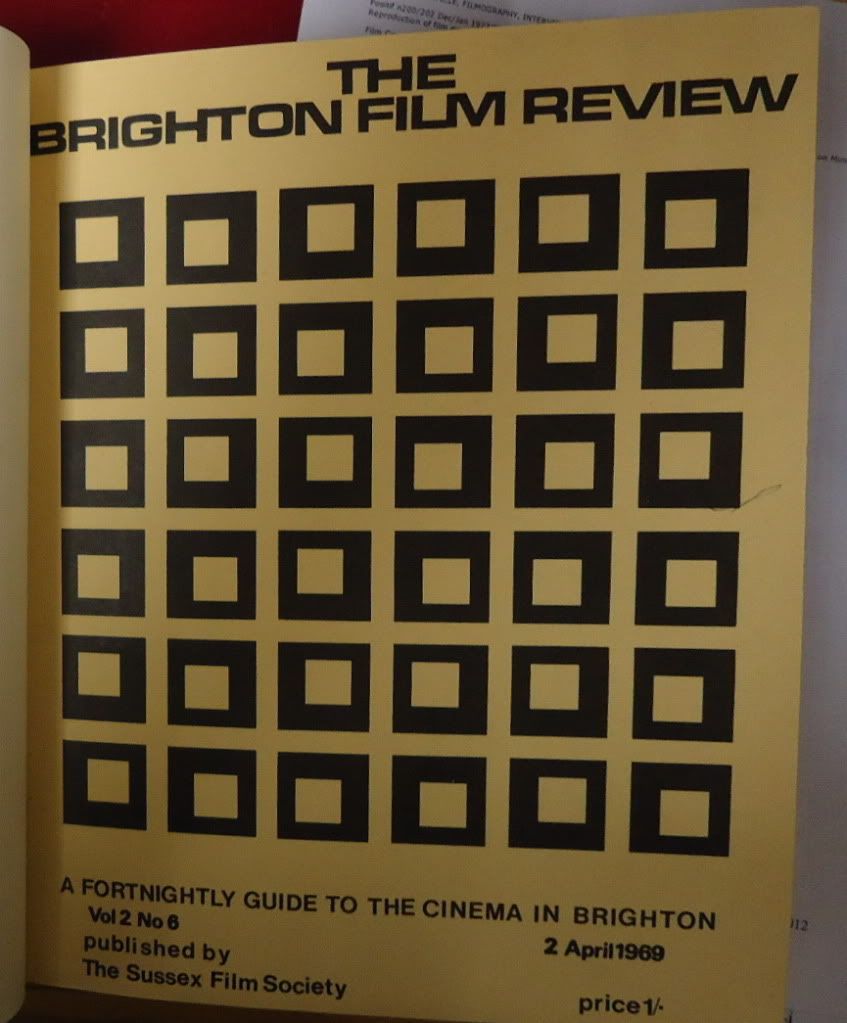
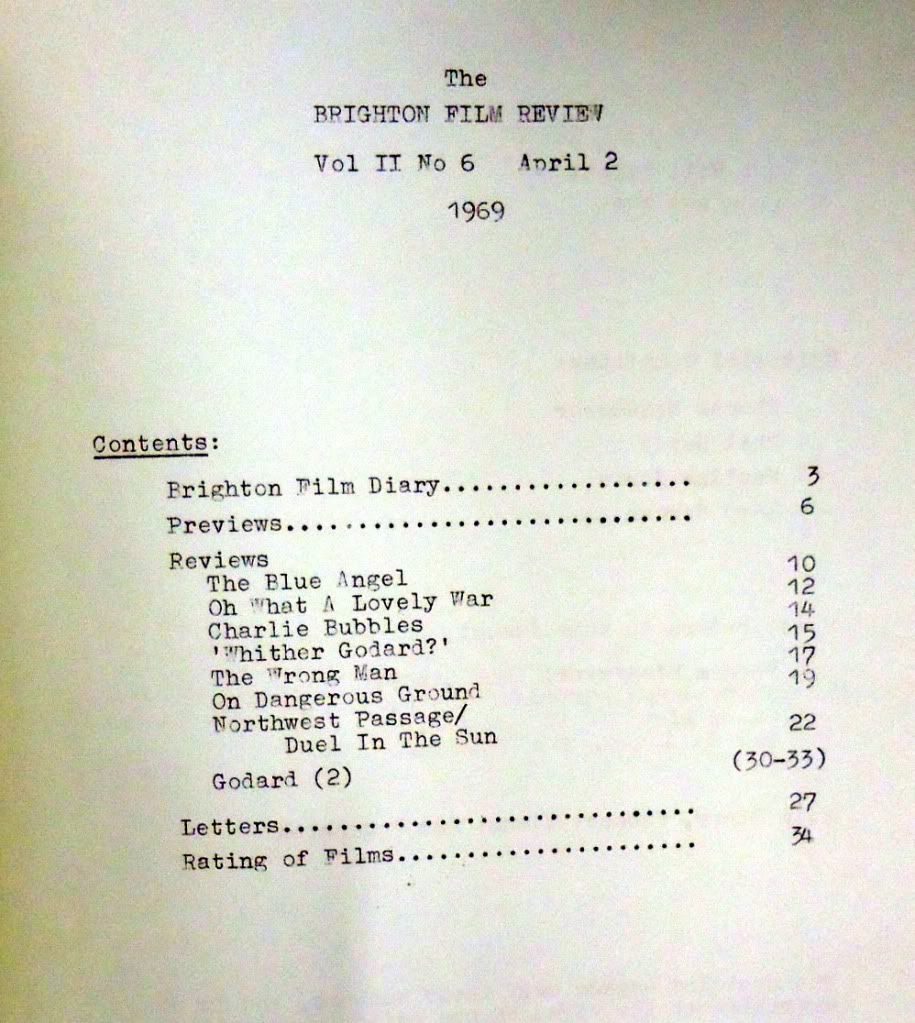
Film Journals#1: Brighton Film Review


Brighton Film Review was the house journal of the film society of the University of Sussex in the late 1960s up to the early 1970s. It later became Monogram, and published in London. Students bought the journal for its listing of screenings and TV broadcasts of the classic and important contemporary films, and writers such as Thomas Elsaesser were "smuggling" their lengthy articles in the publication about their favorite filmmakers. 

"The convenient provincialism of a seaside university gave us the cover to argue, for instance, in favor our cinephile obsessions, while nonetheless keeping a watchful eye on what Screen and other film magazines were doing," writes Elsaesser about his role in the publication. He also says that unlike Movie and Cahier, Brighton was putting less emphasis on auteurist themes, rather than a stylist reading: "we tried to be informative and broadminded enough not to scare off our readers, but we nonetheless hoped that our expository manner carried a polemical edge that London would take note of (it did)."

Wednesday, 21 March 2012

Tonino Guerra (1920 - 2012)


«میكل‌آنجلو، هرازگاه، دوباره با هم نشسته بر قایقی روی آمودریای لغزان می‌رانیم، در حالی‌که با دندان‌هایمان تخمه‌های سیاه آفتاب‌گردان می‌شکنیم؛ در محاصره طناب‌ها و چلیک‌های روغن، و بقچه‌ای که زن کولی در مقابل موتوری صورتی می‌پیچد. در آن حال ملوانان با چوب‌های بلندشان قایقمان را از خوردن به کناره‌های شنی ساحل حفظ می‌کنند. ما در یک سوی قایق نشسته‌ایم و نمی‌دانیم ما را به کجا خواهد برد. به روبانِ آب در رود زُل می‌زنیم که در فاصله‌ای دور ناپدید می‌شود، در ابهام مهی رنگ پریده، که تو را به این فکر می‌اندازد، که سفر در فرارا به پایان خواهد رسید.» تونینو گوئرا

تونينو گوئرا، فیلمنامه‌نویس بزرگ ایتالیایی امروز درگذشت.


Impressions of Edinburgh

Edinburgh, June 2011. Photo © Ehsan Khoshbakht
Click to enlarge

Monday, 19 March 2012

Dietrich, Fur, Feather and Camp

مقالۀ زير در ادامۀ مقالاتي است كه دربارۀ نقش لباس در سينما در اين جا منتشر شده است. نمونۀ قبلي مربوط به جون كرافورد در فيلم‌هاي دهه 1940 او بود و اين يكي دربارۀ رابطۀ جوزف [يوزف] فون اشترنبرگ و ستاره و همدم او، مارلن ديتريش، در فيلم‌هاي مشتركشان است. مقاله پيش رويتان توسط كتايون يوسفي از دو منبع مختلف گردآوري و ترجمه شده است. انتخاب تصاوير هم از اوست.

ديتريش، پَر، پوست و كَمْپ

ریموند دورنیات در مقاله «شش فیلم جوزف فون اشترنبرگ» به شاعرانگی و رابطۀ مقولۀ لباس با روان آدمی در فیلم‌های حاصل از همکاری جوزف فون اشترنبرگ و مارلنه دیتریش اشاره می‌کند. این درحالی است که پیش از آن اگر هم توجهی به این موضوع از جانب منتقدان شده بود، چیزی جز انتقاد تند نبود. هرمان وینبرگ وسواس دیوانه‌وار اشترنبرگ در مورد لباس را نوعی «جنون» خوانده بود؛ برخی منتقدانش انگ بی‌سلیقگی به او زدند؛ برخی او را براي تبدیل دیتریش به «فاحشۀ پارامونت» متهم کردند. اما اگر با توجه به این سوژه خاص مروری کلی به مجموعۀ این هفت فیلم داشته باشیم، به وجود نوعی کدگذاری از طریق لباس پي مي‌بريم. دیدن عکس‌هایی که در ادامه می‌آید، متقاعدمان می‌کند که لباس‌های دیتریش در این فیلم‌ها هم بخشی از طرح کلی‌ای بودند که اشترنبرگ در سر داشت و بنابراین بی‌راه نیست که آن‌ را بخشی از امضای او بدانیم. عکس‌ها نشان می‌دهند که لباس بازیگر چگونه می‌تواند در رساندن معنا، اطلاعات یا احساسات سهیم باشد و بخشی از طرح روایی و تماتیک فیلم شود. طراح لباس در هر هفت مورد، تراویس بنتُن، طراح لباس استودیوی پارامونت است که نمی‌توان نقشش در شکل‌گیری سبک بصریِ این فیلم‌ها را نادیده گرفت.

Sunday, 18 March 2012

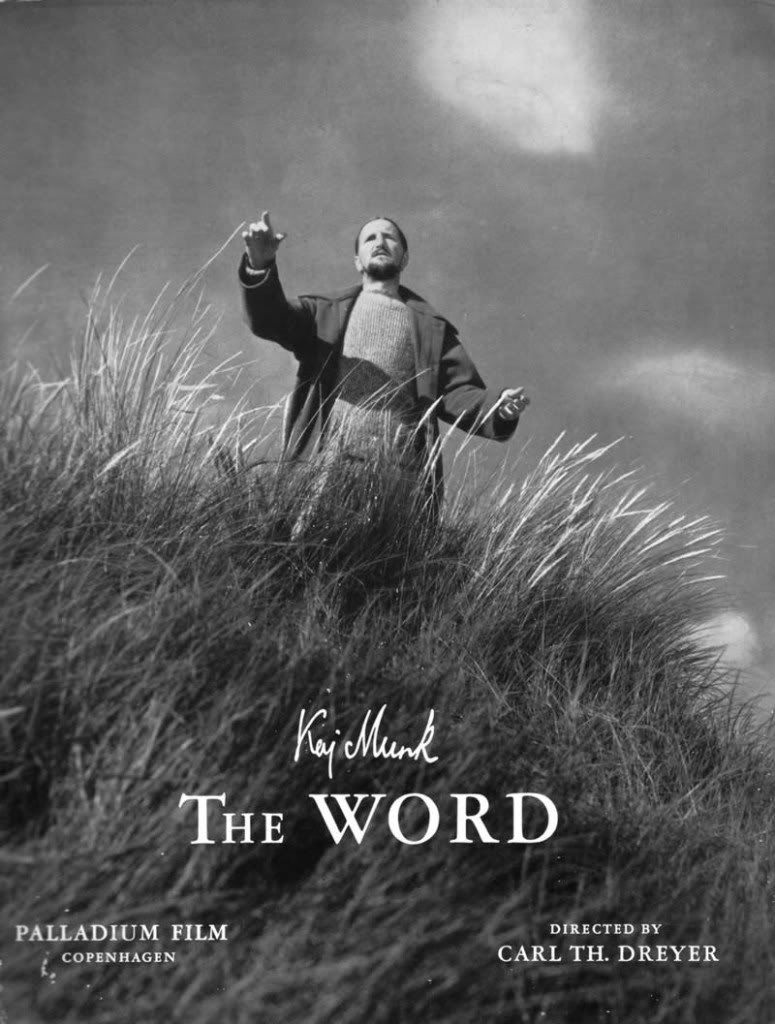
Miracles of Ordet


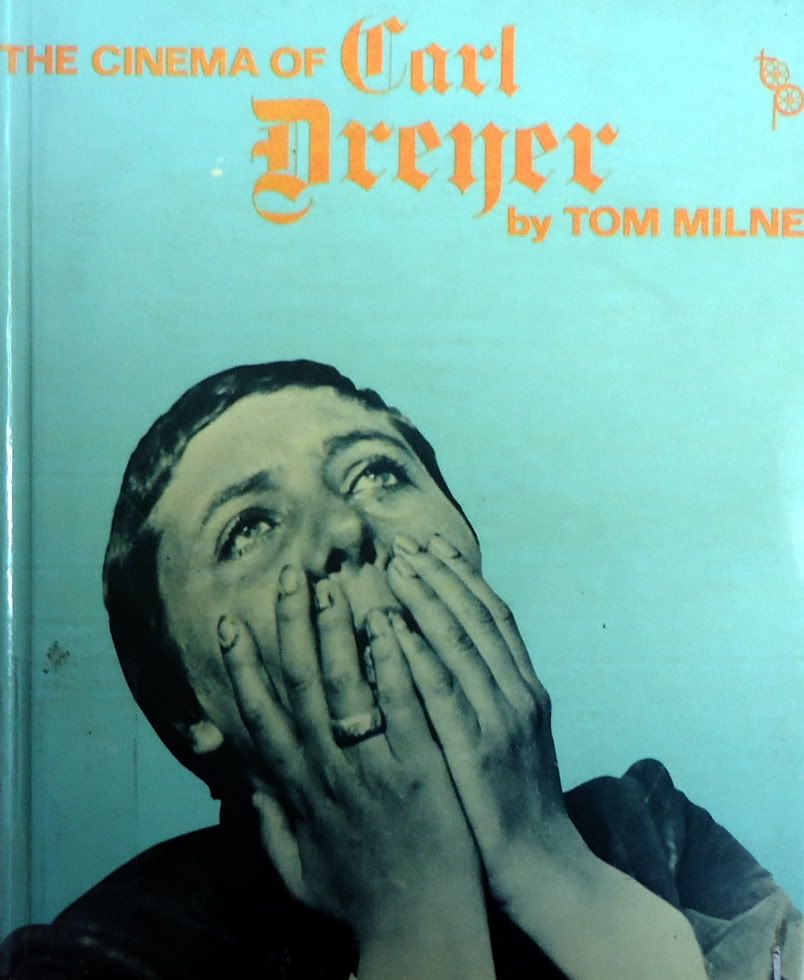
The Cinema of Carl Dreyer (1971) is the title of a still worthy and illuminating book on the cinema of Dreyer, by Tom Milne (1926-2005). Milne, who has undeservedly remained unknown outside Britain, was a writer for Sight & Sound, the Monthly Film Bulletin, The Observer and The Times. His writings on film show an incredibly clear mind and a very functional method of putting his thoughts on paper. Milne's directness in his text about Dreyer can only be compared to the purism of the filmmaker himself. He writes about Ordet:

"[The] opening sequence roots the film firmly in reality with its shots of the farmstead and its naturalistic picture of a household reluctantly awakening in the middle of the night; but the sense of dépaysement is as total and as disruptive as it was in Vampyr. Partly, naturally, thus occasioned by Johannes's madness, but even more by the sense of void that surrounds this limbo of darkness where sheep bleat but none are seen, where there is no the sign of human habitation, where in fact nothing seems to exist outside this little enclave of humanity living in a country of the mind. This is simply an impression, of course, but it is furthered during the course of the film by the oblique sense of confinement, of limitation, that Dreyer convoys in all his exterior scenes.

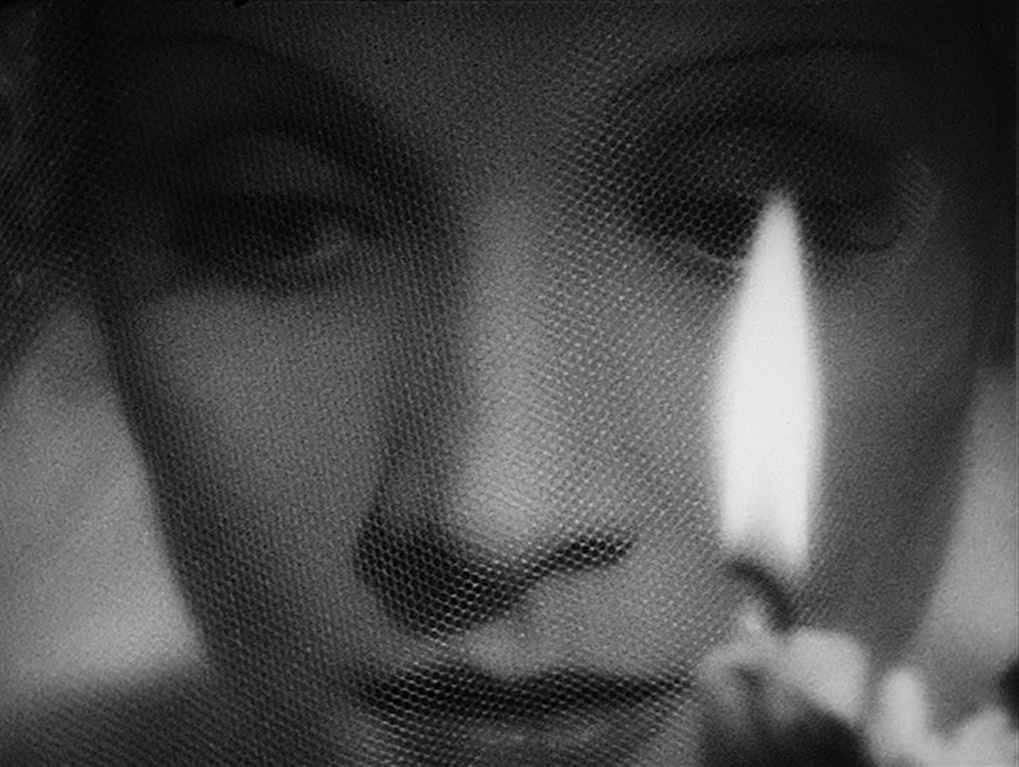
No sense of landscape or the seasons, no sense of community life. It is as though Dreyer were illuminating the curious semi-symbolic scene where Johannes suddenly lights a pair of candles and places them in the window - Inger quietly replaces them on the dresser since it is broad daylight - "That my light may brighten the darkness.

With Ordet, one also believes completely in the reality of this family, their love for each other, their roots in the land they live in; but at the same time those roots disappear into a strange soil which is beyond reality so that the miracle of Inger's rebirth is both less and more than a miracle."

Interestingly, Milne disapproves Johannes character in Ordet. As for the cultural differences that lead to various interpretation of the story, I have to say, as someone who discovered Ordet in his teens, and urged other friends (from Iran) to see it, I don't remember anybody explaining Johannes's character as unconvincing. To my amazement, most of the spectators, at least those whom I've talked to, see Johannes as a modern time saint, even before the miracle occurs in the film. That could be something related to the different modes of reception (UK and Iran, in this case), but when Mr Milne calls Johannes "the weakest part of the film," that sounds more like an intellectual disagreement, and a big one.

It is true than unlike the Munk's play, or reportedly, the first cinematic adaptation of the play in 1944 by Gustaf Molander (which I haven't seen), Johannes is decentralized in Dreyer's drama. But I strongly believe it is this marginal character who defines the inner momentum of the film. If the landscape or dialogues are melancholic, mysterious, and in my view, deliberately dream-like, it is as if film's been narrated from the point of view of Johannes. Isn't he the character who Dreyer feels closest to? Since the presence of sacrificial and powerful earthly women is so overwhelming, it is hard to reach a certain conclusion.

Johannes remains an enigma, throughout the films, after seeing the film, and almost in all the theoretical analysis I've read about Ordet. The way Johannes behaves, explains how the film and its mise-en-scène should be constructed.
*  *  *

Ordet, thank heavens, has a extended run at NFT. (check out the screenings on BFI site) If you haven't seen Ordet yet, catch up with one of this screenings. If you've seen it previously, but only on DVD, you need to study the faces of the farmer family on big screen. Those sad eyes of Johannes should be as big as a Vilhelm Hammershoi painting to be "seen" properly.
18 Mar (18:00 & 20:30)/19 Mar (17:50 & 20:20) /20 Mar (18:10 & 20:45)/21 Mar (18:00 & 20:30)/22 Mar (18:00 & 20:30)/23 Mar (18:00 & 20:30) 

Saturday, 17 March 2012

Antonioniesque NFT

National Film Theatre as though revisited by Antonioni in color. March 2012. Photography by Reza Hakimi.

"How dare you come from the BFI and use our typewriters?!" - Angry Henri Langlois to Richard Roud, using Cinematheque Francaise's typewriter.

Jack, Me Boy!

A letter from Raoul Walsh to John Ford (click to enlarge)

Sunday, 11 March 2012

Wednesday, 7 March 2012

The Last Queen

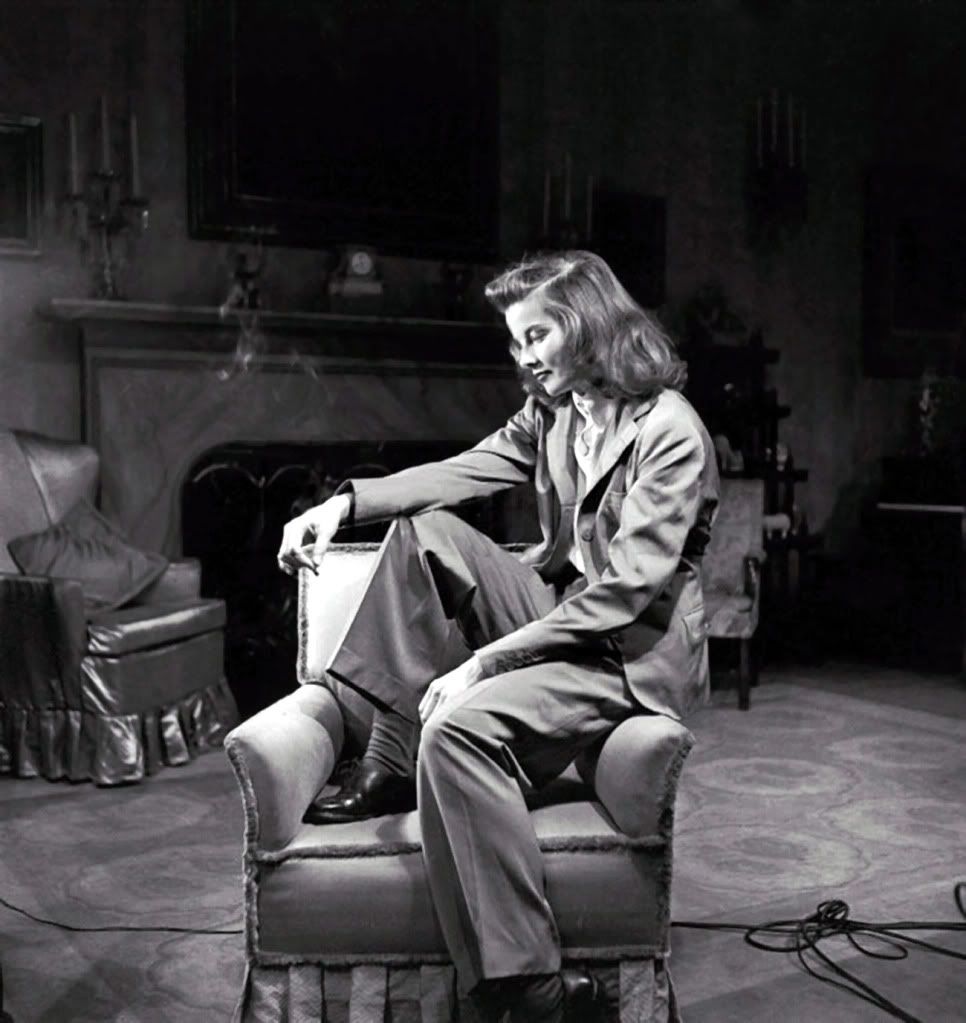
كاترين هپبورن: آخرين ملكه

چگونه در صبح افتخار (لاول شرمن، 1933)، سومين فيلم كاترين هپبورن، یکی از بزرگ‌ترین ستارگان سینمای کلاسیک می‌تواند نقش را به شکلی کاملاً «غیرکلاسیک» – یا بگذارید بگوییم مدرن – با تحقیری دردناک همراه کند. در حالي كه این تجربه كمي بعد به شکلی استادانه‌تر و از نظر داستان به صورتی بی‌رحمانه تر در آلیس آدامز (جورج استيونس، 1935) نیز تكرار می‌شود.
جسارت هپبورن در بی‌اعتنایی به معیارهای نظام ستاره‌پرور، تند و نفس‌گیر است، تا آن حد که تماشای فیلم را حتی برای بینندگان امروزي هم دشوار می‌کند. بر خلاف زیبایی مسلمش او تحقیر شده، پس زده می‌شود و در دل طبقاتی که به آن‌ها تعلق ندارد (هنرمندان و روشنفکران نیویورکی در صبح افتخار و اعیان آمبرسون‌گونۀ غرب میانۀ آمریکا در آلیس آدامز) حوادث مضحکی می آفریند که به همان اندازه که خنده دارند، تماشایشان نیز دشوار و مايۀ خجالت بيننده است. بازی هپبورن به روی پرده درست مانند تماشای صحنه‌ای خشن – مانند نمای چشم و تیغِ سگ آندلسی- تأثیری آنی و تکان دهنده دارد و در عین حال بسیاری از لحظات بیننده بدش نمی‌آید دست‌هایش را جلوی چشم‌هایش گرفته و لحظاتی از تحقیر روا داشته بر آلیس یا اوا لاولِيس را نبیند. خود من متوجه شدم در بعضي لحظات اين دو فيلم به سختی در صندلی فرو‌رفته‌ام و بعضاً با پرت کردن حواسم به جزییاتی فرعی قصد دارم تا جایي كه ممکن است شاهد تحقیر روا داشته بر یکی از بزرگ‌ترین زنانی که در زندگی‌ام می شناسم نباشم.
چگونه هپبورن که خود از خانواده‌اي اعیاني در كانكتي‌كات و صاحب اعتبار در دنیای روشنفکران و هنرمندان بود، چنین نفس‌شکنی کرده و خود را دخترکی بینوا نشان می‌دهد كه آرزوهاي بزرگش به خجالت و شرم دائم او – و همین طور ما، تماشاگران – ختم می‌شود. چگونه زنی که از جورج استیونس تا جان فورد و جان هیوستن می ستودندش و او را تنها زنِ پایِ ثابتِ ماجراجویی‌هایی مردانه‌شان می‌دانستند، چنین شکننده، بی‌اعتماد به نفس و از همه جا رانده تصوير می‌شود.
ابتدا پاسخي کلی و نه چندان عمیق كه می‌تواند در قلم‌روي خودآزاری‌هاي معمولِ ژانر ملودرام يافت شود: تمایل برای نمایش انواع تحقیرها بر شخصیت‌های عموماً زن و تولد زنان محکم و با اعتماد به نفسی چون شارلوت وِيل (بت دیویس) اینک مسافر (ایروینگ راپر،1942) در گذر از این خودآزاری‌ها و دیگرآزاری‌ها.
اما پاسخ جزیی و محکم (لااقل در این دو نمونه) را بايد در جادوی حضور ستاره‌ای دید که خود، پیش‌تر از ژانر یا کارگردان، مؤلف دنیای زنانه فیلم است. نکته مهمی که در این دو نمونه – و بسیاری از فیلم‌های هپبورن در دهۀ سي – دیده می‌شود، ساخت تصویری دگرگون از زن است. بانویی که هپبورن به ما نشان می‌دهد زنی است صاحب هوش، خودآموخته، روشن‌فکر (در صبح افتخار او شکسپیر و زبان آلمانی می‌داند!)، اندکی ستیزه‌جو و بی‌اعتنا به اصول مردسالارانه‌اي که او را احاطه کرده‌اند. برخلاف بیش‌تر ستارگان آن زمان و سال‌های بعد (و بیش از همه بر خلاف زنانِ امروز سینما) او نه از راه زیبایی فیزیکی لانا ترنر، زیبایی اثیری گاربو، سرزبان‌داری کارول لمبارد یا هنرهایي دیگر (رقص برای ستارگانی چون جینجر راجرز) و نه حتی با خشونت و یکی به دو کردن با مردان به شیوۀ بت دیویس یا جون کرافورد، بلکه با آشکار ساختن روح زنانه‌ای که هوش و شعور و حساسیت را با زیبایی متواضعانه‌اش همراه کرده به قلب تماشاگران راه پیدا می‌کند. همۀ نام‌هایی که برشمردیم زنان بزرگ و مستقلی هستند که در بسیاری از موارد بر مردان همراهشان پیشی گرفته‌اند، اما هپبورن در این دهه اصولاً در پی پیشی گرفتن از چیزی یا کسی نیست و تنها در پی رسمیت بخشیدن به جهان زنانه‌ای است که به موازت جهان مردانه وجود دارد. او تلاش نمی کند تا مانند زنان دیگر سينماي كلاسيك شما را جذب کند و از «نگاهِ مردانه» زنانگی را عرضه کند. در عوض هپبورن به شما فرصت می‌دهد تا با نظاره کردن دنیایی که شخصاً بنا کرده، به مفهوم زنانگی نزدیک شوید.
کنجکاوم بدانم که تفسیر فمینیست‌ها از تحقیرهای روا داشته بر این دسته از نقش‌های هپبورن چیست و آیا این شکل از تجدیدنظر در موقعیت اجتماعی زنان مورد توجه آن‌ها نیز قرار می‌گیرد یا هم‌چنان ترجیح می‌دهند با اغواگری زن سالارانۀ دیویس و کرافورد سرکنند. فیلم‌های كاترين هپبورن در بیست و سه چهار سالگی‌اش بیش از هر زنی که در سينماي قرن گذشته می‌شناسیم به تغییر نگاه ویکتوریایی به زنان کمک كرده، در حال كه خودش تنها شش سال بعد از مرگ ملکه ویکتوریا به دنیا آمده بود. كاترين ملکه‌ای بود که زن مدرن را بی هیچ خشونت و استبدادی به سریری که شایسته‌اش بود نشاند. صبح افتخار با وجود پایان بسیار سست و مأيوس كننده‌اش، هپبورن را برندۀ نخستین اسکار زندگی‌اش کرد و واقعاً برندۀ نهايي اين فيلمِ كوچك خود اوست. او نوع نگاه ما به ستاره‌های زن در سینما را عوض کرد و تا بیست سال بعد و با گذر از کمدی‌های پرهیاهوی اسکروبال آن قدر قدرت و اعتماد به نفس داشت که بتواند با ستارۀ همراه و مرد محبوش، اسپنسر تریسی، به بزرگ ترین منازعات روشنفکرانۀ میان مردان و زمان در تاریخ سینما دست بزند.

Monday, 5 March 2012

Shot From Caught

Sketching a shot from Caught (Max Ophüls, 1949)

"Without descending to foolish caricature or soppy sentiments, Ophüls enters a woman's heart and a man's soul with breathtaking delicacy and steely precision.  Everything counts and everything matters in this unadulterated gift from European culture to Hollywood dream machine." -- Andrew Sarris

Sunday, 4 March 2012

Cinema Recycled


"Enough of that democratism that leads to the junk. You [have] to rebuild an elitist culture for yourself, a film culture." - Serge Daney (Courtesy of Courtisane Festival)

P.S.: "Resnais is not an intellectual, he is a little chemist." - S.D.

Eddie Constantine in Iran

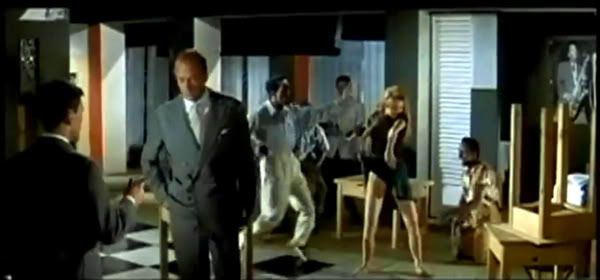
 Bonne chance, Charlie (Jean-Louis Richard, 1962)
 شانزدهم آبان 1342، سينماهاي سهيلا و رويال

Les femmes d'abord (Raoul André, 1963)
بيستم تيرماه سال 1343، سينماهاي سهيلا، حافظ، ميامي، اونيورسال

Friday, 24 February 2012

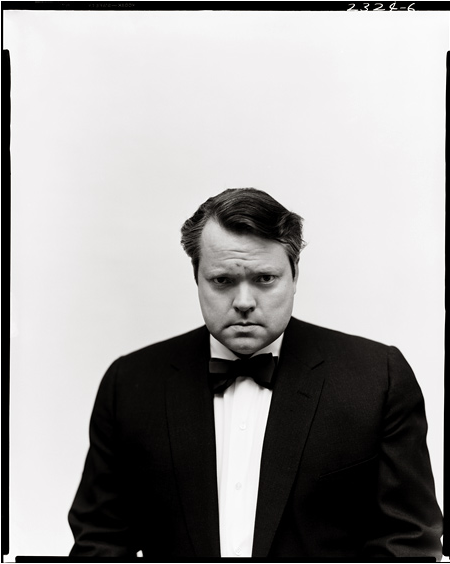
Notes on Around the World with Welles

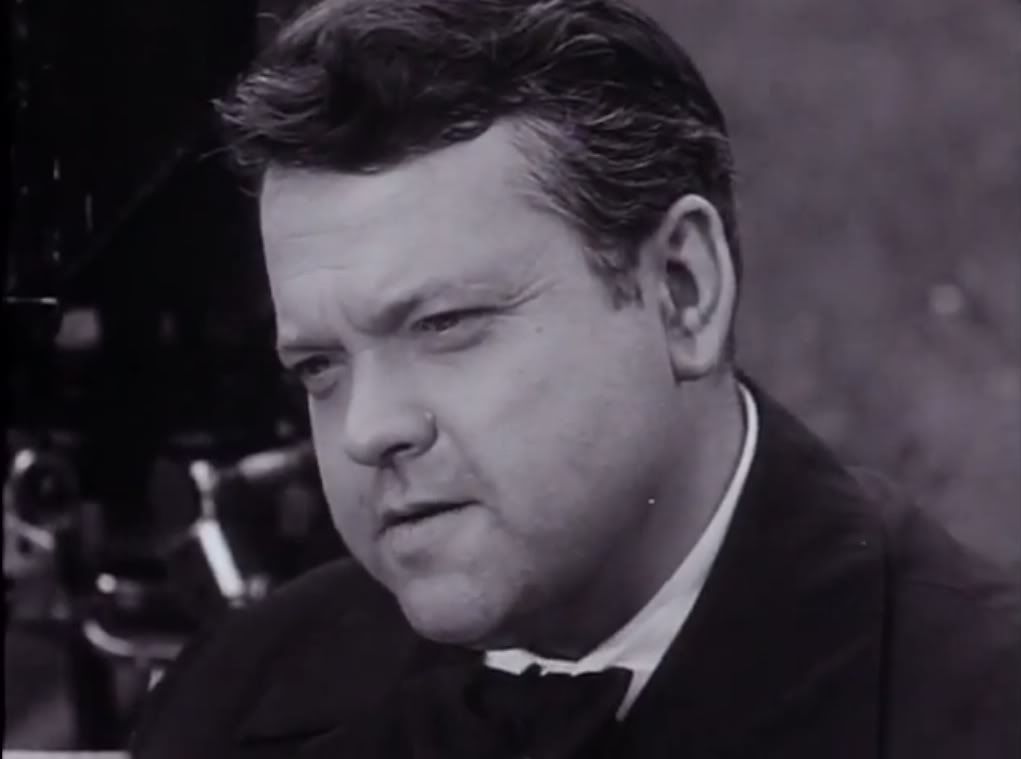
درس‌هايي از آثار تلويزيوني اورسن ولز
اگر خوب زندگي كردند، خوب مردند

يكي از بزرگ‌ترين ايرادهاي وارد به انتقادات مد روزي كه هرچند وقت يكي از جايي عليه اورسن ولز صادر مي‌كند بي‌توجهي محض منتقدان به دامنه وسيع كارهاي هنري ولز باشد. [1] خيلي‌ها اين اشتباه مهلك را مرتكب مي‌شوند و ولز را فقط از دريچه همشهري كين مي‌بينند و جالب اين كه بيشتر آدم‌هاي اين دسته، هدف ابتدايي‌شان به زير سؤال بردن كين در مقياس‌هاي متفاوت است، اما اتكاي بيش از حدشان به اين فيلم به نوعي نقض غرض است، يعني «بله قبول داريم كه فيلم هيولاواري است و مباحثات دربارۀ آن پاياني ندارد.»
اما در مطبوعات سينمايي جاي نگاه دقيق‌تر به آثار غير سينمايي ولز، آثاري كه در ظهور پديده ولز نقشي مهم دارند، مثل آثار راديويي – درحالي كه متأسفانه به كارهاي تئاتري او دسترسي وجود ندارد - كه زبان روايي گيراي او ابتدا در آن‌ها ظاهر شده و يا آثار تلويزيوني ولز كه شيوه‌‌هاي بياني تازه‌اي را آزموده‌اند هنوز خالي است، اگرچه كتاب‌هاي نه‌چندان مشهوري درباره فيلم‌هاي تلويزيوني و كارهاي راديويي و تئاتري ولز وجود دارد.
دور دنيا با اورسن ولز (1955) مجموعه تلويزيوني بود كه بي‌بي‌سي به دنبال موفقيت سريال مستند ديگري كه ولز براي آن كمپاني با نام دفترچه طرح‌هاي اورسن ولز ساخته بود سفارش داد. شكل اين مجموعه اپيزودهاي سي دقيقه‌اي است از سفر ولز به نقاطي از اروپا و شرح مشاهدات او كه معمولاً محدود به يكي دو واقعه مهم آن منطقه جغرافيايي مي‌شود. اين فيلم‌ها به شكلي باورنكردني متمركز بر جزيياتند و هيچ ارتباطي با مستندهاي توريستي (Travelogue) قبل و بعد خودش ندارند. ولز در طول اين مجموعه دوربين را مثل يك دوست و همكار، موجودي زنده نشان مي‌دهد، با آن حرف مي‌زند، خواهش‌هايش را طرح مي‌كند و دوربين با ضربه توپ تنيسورهاي اسپانيايي نقش بر زمين مي‌شود. جيم مك‌برايد اظهارنظرهاي مشخص ولز درباره دوربين در طول اين مجموعه را به سينماي «زيرزميني» نزديك مي‌داند (مثلاً به شاهكار زيرزميني شرلي كلارك، رابط.)


تصوير او از مردم گرم، زنده، هيجان‌انگيز و توأم به احترام و در نقطه مقابل ديدگاه ژورناليستي‌اي قرار مي‌گيرد كه ولز را خودشيفته مي‌خواند. در مصاحبه‌ها، چه در سينماي مستند و چه فيلم‌هايي با گرايش‌‌هايي مستند، هميشه نوعي خشونت وجود دارد، خشونتي برخواسته از حق‌ به جانبي ذاتي دوربين سينما و بي‌پناهي محض سوژه در مقابل چشمان شكارگر و بي‌رحم آن. نمونه‌هاي سينماي مبتني بر گفتگوي رو در رو با دوربين، از كيارستمي تا مايكل مور، كه معمولاً خود را وابسته به نگاه ابژكتيو سينمايي مي‌دانند، معمولاً به جاي نزديك شدن به حقيقت سوژه‌ها، با آن‌‌ها مثل ديوار سفيدي برخورد مي‌كنند كه مي‌توانند ديدگاه‌هاي يا خواسته‌هايشان را روي آن بتابانند. تناقض بين سبك و نتيجه حاصل آن‌قدر زياد است كه مي‌توان هر دو نمونه برشمرده از مصاحبه‌ها با دوربين را نمونه‌‌هايي از نگاه سوبژكتيوي دانست كه سعي در كتمان ذات خود دارد.
به ولز برگرديم، به مردي كه با دوربين سينما مي‌تواند هر چيزي را، من‌جمله خودش را، تحريف كند. اما بر خلاف اين رويكرد هميشگي او در مصاحبه‌هايش با چنان آرامش و انعطافي به درون آدم‌ها نزديك مي‌شود كه باورش دشوار است. ولز با همان لبخند و صداي جادويي به نتايجي از سوژه‌ها مي‌رسد كه اگر نشان نيروي بي‌حد و مرز سينما در رسوخ به درون آدم‌ها نباشد، نشان‌گر هيچ‌چيز ديگري نيست. او متوجه مي‌شود بانوان سالخورده انگليسي فقط همديگر را براي چاي دعوت مي‌كنند و علاقه‌اي به آشپزي كردن براي هم و دعوت براي ناهار ندارند؛ متوجه مي‌شود زبان باسكي – كه از نظر ريشه هيچ ربطي به هيچ زبان اروپايي ديگري ندارد - به قول بومي‌ها، يا زبان باغ بهشت است و يا زبان شيطان؛ ولز مي‌فهمد كه اونيفرم نظامي كه همه جا براي ابهت بخشيدن و ترساندن است بين سربازان كهن‌سال بريتانيايي وسيله‌اي براي جلب دوستي است، او زندگي را در كرانه چپ رود سِن پاريس و كافه‌هاي ونيزي جستجو مي‌كند. دقايق طولاني به تماشاي گاوبازي در اسپانيا مي‌نشيند (كه بايد اعتراف كنم براي اولين بار «معنا»ي گاوبازي را از چشم‌انداز فرهنگ اسپانيايي ديدم: ولز – با اشاره به پيكاسو – يادآور مي‌شود كه گاو مرد زخم خورده و رنج ديده است و گاوباز يك زن است، نماهاي نزديك او از جزييات زنانه لباس گاوباز‌ها تأكيدي بر اين ديدگاه است، تازه اگر نخواهيم به اين نكته اشاره كنيم كه پيكاسو نيز ماتادورها را مونث مي‌كشيد)
بر خلاف مور و كيارستمي مصاحبه‌هاي ولز با آدم‌هاي عادي با دوربيني بسيار نمايشي، زوايايي ظاهراً غيرمستند براي يك مصاحبه و قطع‌هايي غيرعادي، انجام شده است. او هميشه شيفته آن بود كه بازي با واقعيت، چه در شكل نماها و چه خلق فضا، را تا سرحد تبديل واقعيت عيني به واقعيت مجازي پيش ببرد. مصاحبه‌هاي ولز از نظر سبك به انتظارات ما از يك مصاحبه واقعي (نماي قائم بر صورت مصاحبه شونده و متمركز بر چشمان نگران او، يا لرزش‌هاي دوربين روي دست براي تصديق نمايشي واقعيت عيني، بدون قطع نما و كنترل نور) شباهتي ندارد، اما او جزو معدود فيلم‌سازاني است كه مي‌تواند با تحريف تصوير، بيشتر از هر مستندسازي به قلب واقعيت نزديك شود.
براي ولز اين مجموعه، با وجود دستمزد متوسطش، بهانه‌اي بود براي مكاشفه در اروپا و بازكردن راه براي ساختن آركادين و دن كيشوت،[2] گرچه هم‌چون هميشه خود ولز از دستاوردش چندان راضي نبود و مي‌گفت: «فكر نكنم خيلي خوب از كار درآمده باشد...خيلي سخت روي آن كار كردم و نتيجه كار برنامه‌اي بود كه به نظر مي‌آمد خيلي سخت روي آن كار شده!» چرا چنين كنايه‌اي؟ شايد جوابش در اپيزود باسك اسپانيا باشد كه در شبي تاريك كه نور فشفشه‌هاي يك جشم محلي نيم‌رخ ولز را روشن مي‌كند، مي‌گويد در باسك كسي در آخر داستان‌ها نمي‌گويد «..و آن‌ها بعد از آن خوش و خرم زندگي كردند.» بلكه مي‌گويد «...و اگر خوب زندگي كردند، خوب مردند.» تماشاي دور دنيا نشان مي‌دهد ولز خوب زندگي كرده و برخلاف گفته تامسُن در گاردين كه مرگ او را در تنهايي و بي‌چيزي «پايان كار نابغه» خوانده، گمان من اين است كه ولز خوب زندگي كرد و خوب مرد.

پانويس:

[1] نمونه‌اي متأخر از اين حملات، غرغرهاي ديويد تامسون، كمتر از يك‌سال پيش، در گاردين بود كه بهترين جواب را از جاناتان روزنبام گرفت. حالا كه صحبت از گاردين شد، و براي اميد دادن به انبوهي از نويسندگان سينمايي هم‌وطن با بي‌استعداديِ مادرزاد و براي اين‌كه بدانند در ارض خداوند تنها نيستند، گاردين چند روز پيش از يك بابايي مقاله درباره هيچكاك چاپ كرده بود و آقاي نويسنده صفحات سينمايي روزنامه، با نيش باز نوشته بود كه تازه همه فيلم‌هاي هيچكاك را كه در يك "باكس ست" دي‌وي‌دي بوده (كه احتمالاً چنين چيزي مخصوص خود او توليد شده و براي او فيلم‌هاي گمشدۀ هيچ را هم اضافه كرده‌اند) ديده و خوشش آمده (!) و قرار است برود در مركز هنري ساوت بنكِ لندن درباره هيچكاك سخنراني كند! اين مقاله باعث مكتوب شدن چند نيش و كنايه‌ و اظهار تأسف و نگراني از آينده اين حرفه در چند جا شد كه مهم‌ترين و پرواكنش‌ترينش وبلاگ Shadowplay بود.
[2] در حالي مشغول نوشتن اين يادداشت هستم كه در تلويزيون، آقاي آركادين، در حال پخش شدن است. هرچند وقت يك‌بار كه چشمم به يكي از تصاوير آركادين مي‌افتد، نمي‌توانم باور كنم كه قبلاً همه آن‌ها (دهكده‌اي اسپانيايي، بازي و رقص بچه‌ها، گاوهاي غول پيكر و ديوارهاي سنگي) همه در مجموعه دور دنيا كشف و استفاده شده‌اند.


Tuesday, 21 February 2012

Impressions of Claude Lanzmann

I

"Not man or men but the struggling, oppressed class itself is the depository of historical knowledge. " -- Walter Benjamin

I was born in a Muslim family. I know Shoah by heart. I also know about reincarnations of Shoah in contemporary times. 

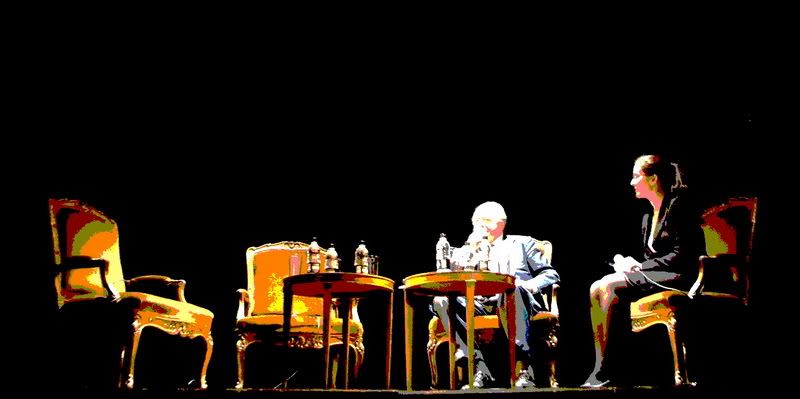
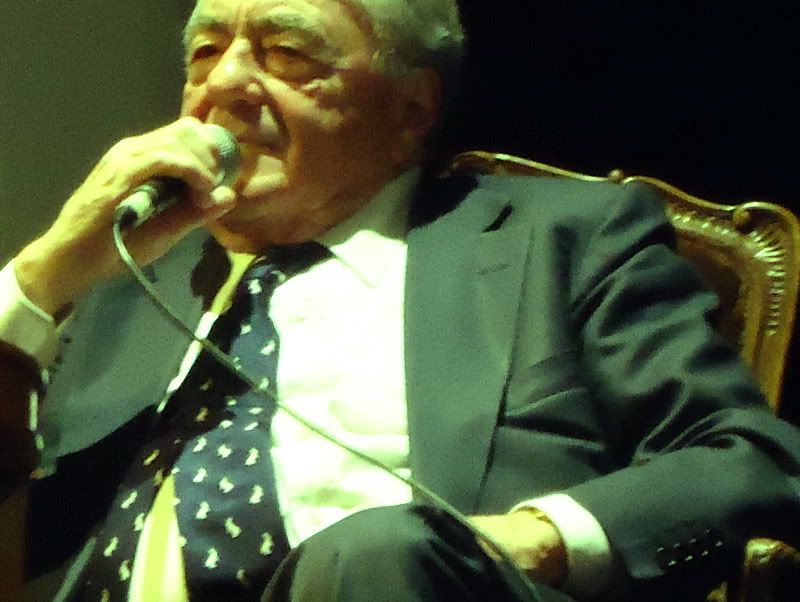
Claude Lanzmann, director of Shoah, appeared on stage, last night, at Ciné Lumière of Institut Français, to teach a masterclass that he couldn't it take serious. ("I don't know what is a master class," he said.) 

People have the misconception that directors who make films should be a resultant of the things and values they show on their films, especially if the director is seen in the film himself, as Lanzmann does interview the survivors and the perpetuals all through Shoah. Lanzmann on stage was a different person. Not contradictory to his image in Shoah, but a complementary.

II
"Few will be able to guess how sad one had to be in order to resuscitate Carthage." -- Gustave Flaubert

Shoah is a film about the complexity of language and communication. It is about the tragedy of language. It's about people don't share the same language at the death camp. Talking to each other, or talking in certain languages is forbidden. Lanzmann chose a very complex method of double emphasis, and sometimes triple emphasis on this aspect: We hear Lanzmann's own voice (asking questions in French, German, and occasionally English), his translator's voice (translating the exchanged dialogue from Polish to French and vice versa), and the interviewee's answers in his or her original language (Hebrew, Yiddish, Polish). Now add the English subtitle to all this multitude presence of the languages. It is an enriching and enlightening experience of waiting in patience, and listening to someone whose language can not be understand, and as waiting for translator to start her task, examining the face and the the body language of the interviewee.

At the Ciné Lumière, Lanzmann insisted on speaking English to avoid the unnecessary waste of time in translation, or to respect mostly British audience.


III

"Architecture emancipates us from the embrace of the present and allows us to experience the slow, healing flow of time. Buildings and cities are instruments and museums of time. They enable us to see and understand the passing of history, and to participate in time cycles that surpass individual life. " -- Juhani Pallasmaa

The true picture of the past flits by. The past can be seized only as an image which flashes up at the instant when it can be recognized and is never seen again. -- Benjamin
Shoah is a film about architecture, and also a film about the significance of the instants and moments. The first image that Lanzmann wanted to show was the appearance of a sign;  the sign of Treblinka. It was the explosive moment that he discovered what was all about, a counterpart to his previous experiences of "rediscovering" a place in an instant. He says:


IV

In Shoah, Lanzmann's way of grasping the happenings of the past is manifested in the dialectic of questioning, but at the Ciné Lumière session he resisted to be questioned. This contradiction between the Lanzmann on the screen with the Lanzmann on the stage struck those who had seen Shoah.

(a) He didn't approve the questions.
To some degree, he didn't. Because simply the knowledge of interviewer on the subject (Lanzmann) wasn't comprehensive enough.

(b) He doesn't like to be questioned.
To some degree, he doesn't. He had a 600-page book to tell everything. The Patagonian Hare. He would have signed the book, if you had a copy.

(c) He was tired.
Yes, and we have to accept the fact that we get old and our memory fails to remember certain things. Sometimes a few drinks generates the lack of enthusiasm to be examined by the public. The intimacy of the camera doesn't exist on a live stage. In Shoah Poles get drunk to take the Polish Jews to the camp, as locomotive driver confesses. Most of the interviewees in Shoah are over 70.

V

"One reason why Fascism has a chance is that in the name of progress its opponents treat it as a historical norm." -- Benjamin

"Just describe the process to me," said Lanzmann to the Nazi officer who accepted to reveal the "techniques" of mass murdering. Lanzmann had his own way of making him talk or even giving him enough confidence (and money) to make a good show out of it. Lanzmann remembers:


VI

The Lanzmann night was a minor disaster, but a magnificent one. Claude Lanzmann is a very honest and sharp-tongued man. He fought for something that can be described as a fight against the public ignorance of the history, or at least the history of brutality. Shoah is an unquestionable masterpiece, because this scrupulous piece of filmmaking shows a whole new way of approaching history and human beings.

"Why do you want to climb the Everest?" asked people from the one who climbed Everest, and he replied "because it is there."
"Why did you make Shoah?" asked people of Claude Lanzmann, and he said "because somebody had to do it." It is as simple as this for him, and as complex as a 9 1/2 hour long landmark, for us.

Saturday, 18 February 2012

Farewell François


François died young. He was 52. He knew he was dying. He was calm when he was waiting for that. When his friends went to see him in August, he said to his companion: "They wonder if I'll still be here in September."

In the last days, he devoted his failing strength to writing his autobiography, The Script of My Life, a projects he was attached to but didn't have time to finish.

Claude Berry was paying visits to him. He'd always phone before going over. "François, may I come to see you?" asked Claude. François, always formal, replied, "Of course, Claude, it is a pleasure for me to see you before I die." Claude was shocked, but when he arrived at François's place he understood François is so determined to see Amadeus

Milos Forman remembers when he met François, how unrecognizable, how shattered he was. But François was still determined to see Amadeus. So Milos told François the story. He described every scene of his film. François "heard" Amadeus. Amadeus died young, too. He was 35. 
Was Amadeus François's last film? We don't know.

This clip is from François Truffaut, une autobiographie (2004), directed by Anne Andreu. It deserves a DVD release. Now that François is 80. Alive as you and me. Well, more alive than me.


Tuesday, 14 February 2012

Welles, A Tree Filled With Birds & Shadow


Excerpts from Jean Cocteau's introduction to the Orson Welles book (André Bazin), from August 1949. It is translated to English by Gilbert Adair.

I met Orson Welles in 1936 at the end of my world tour. It was in Harlem, at his Black Macbeth, a strange and wonderful spectacle to which Glenway Westcott and Monroe Wheeler had taken me.
Orson Welles was still a very young man. Macbeth was again to reunite us at the Venice Festival in 1948. Oddly enough, I did not connect the young man of the Negro Macbeth with the famous director who was going to show me another Macbeth (his film) in a little cinema on the Lido. It was he who reminded me, in a Venice bar, of the remark I had once made to him that while in the theatre the sleepwalking scene was generally made little of, it was, to my mind, the essential scene.

Orson Welles' Macbeth is a film maudit, in the noble sense of the word, such as we used it to light the beacon of the Festival at Biarritz.

Orson Welles' Macbeth leaves the spectator deaf and blind and I can well believe that the people who like it (and I am proud to be one) are few and far between. Welles shot the film very quickly after numerous rehearsals. In other words, he wanted it to retain a certain theatrical style, as proof that cinematography can put any work of art under its magnifying glass and dispense with the rhythm commonly supposed to be that of cinema. I disapprove of the abbreviation cinema because of what it represents. In Venice, again and again, we heard the absurd leitmotif: "It's cinematic" or "It isn't cinematic." And even: "This film is a good film, but it isn't cinematic" or "This isn't a good film, but it is cinematic." You can imagine how amusing we found this, and when interviewed together on the radio, Welles and I replied that we should love to know what a cinematic film was and that we asked only to be taught the recipe in order to put it into practice.

Orson Welles' Macbeth has a kind of crude, irreverent power. Clad in animal skins like motorists at the turn of the century, horns and cardboard crowns on their heads, his actors haunt the corridors of some dreamlike subway, an abandoned coal mine, and ruined cellars oozing with water. Not a single shot is left to chance. The camera is always placed just where destiny itself would observe its victims. Sometimes we wonder in what period this nightmare is unfolding, and when, for the first time, we see Lady Macbeth, before the camera moves back to situate her, it is almost a woman in modern dress that we are seeing, reclining on a fur-covered divan beside the telephone.

The film, withdrawn by Welles from the competition in Venice and screened by Obiectif 49, in 1949, at the Salle de la Chimie, has everywhere met with the same kind of opposition. It epitomizes the character of Orson Welles, who disregards convention and whose weaknesses, to which the public clings as to a life preserver, have alone afforded him any success. Sometimes his boldness is blessed with such good fortune that the public is willing to be seduced, as, for example, in the scene from Citizen Kane when Kane wrecks the bedroom, or in that of the maze of mirrors from The Lady from Shanghai.


And yet, after the syncopated rhythm of Citizen Kane, the public expected a succession of syncopes and was disappointed by the calm beauty of The Magnificent Ambersons. It was easier for the soul to go astray in the labyrinthine penumbra taking us from the strange image of the little millionaire, not unlike Louis XIV, to the hysterics of his aunt.

Welles the student of Balzac, Welles the psychologist, Welles reconstructing old American mansions: this is what the fanatics of jazz and jitterbug found so shocking. They rediscovered Welles with the rather confused Lady from Shanghai, lost him again with The Stranger, and this roller coaster brings us to the moment when Orson Welles came from Rome to live in Paris.

Orson Welles is a kind of giant with the look of a child, a tree filled with birds and shadow, a dog that has broken its chain and lies down in the flower beds, an active idler, a wise madman, an island surrounded by people, a pupil asleep in class, a strategist who pretends to be drunk when he wants to be left in peace. He knows better than anyone how to use the apparent nonchalance of true strength to give an impression of drifting, and advances with a half-open eye. The derelict manner he sometimes affects, like some dozing bear, shields him from the cold, restless whirl of the film world. A method that made him pack his bags, leave Hollywood and allow himself to be drawn toward other company and other prospects.