Wednesday, 3 April 2013
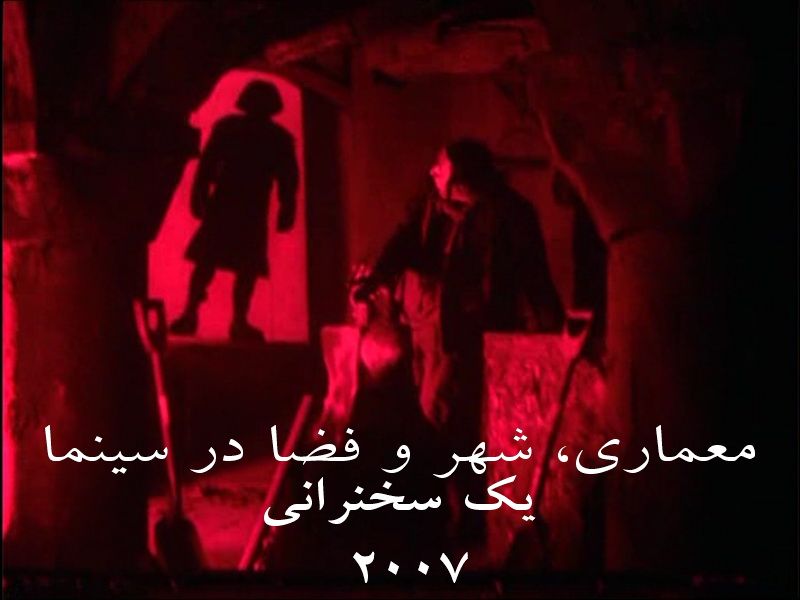
Space in Film (A Lecture)
Tuesday, 2 April 2013
Jesús Franco (1930-2013)
Sunday, 31 March 2013
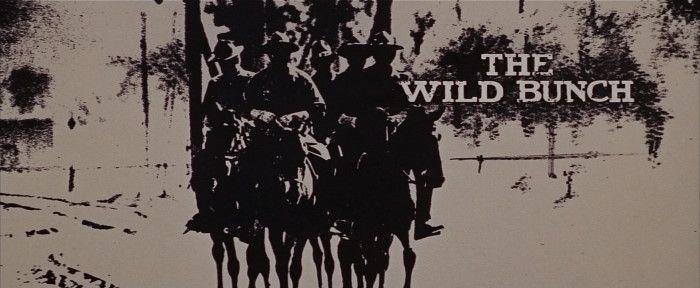
Notes On The Wild Bunch
Friday, 29 March 2013
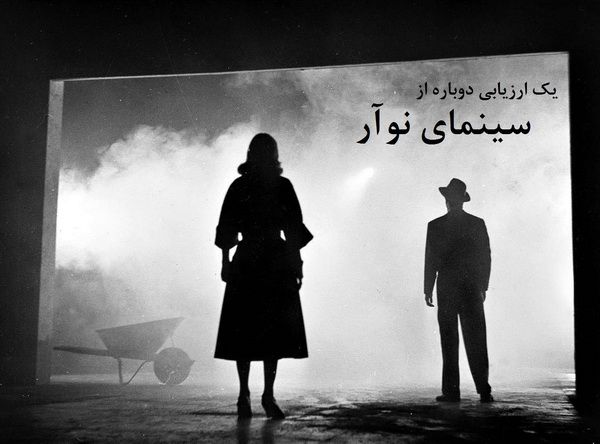
Film Noir Reevaluated, Part I
Film Noir Reevaluated, Part II
Tuesday, 26 March 2013
Saturday, 23 March 2013
Houshang Kavousi (1922-2013)
Tuesday, 19 March 2013
Hawks and Jazz
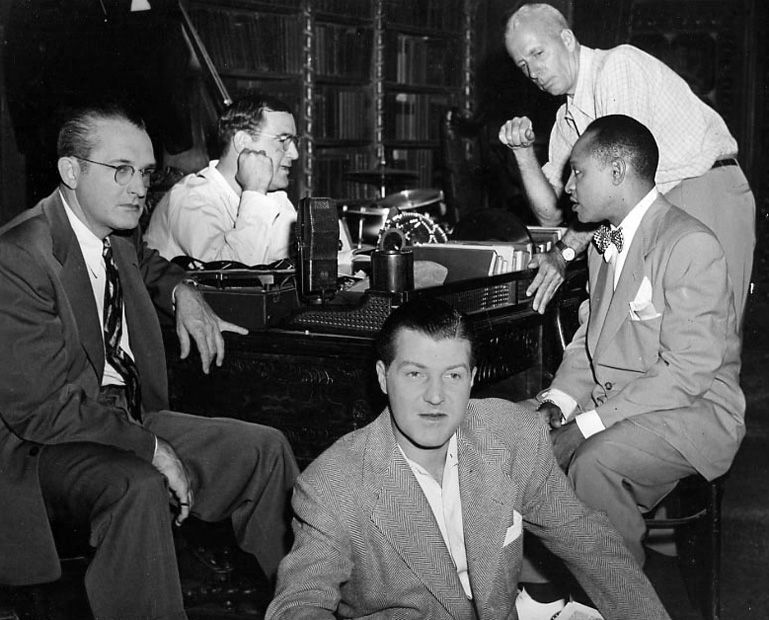
| from L: Dorsey, Goodman, Barnet, Hawks, Hampton |
Only seven years passed since the completion of the Ball, producers thought that the very successful idea can be used again, and this time the professors should search for a new word, JAZZ!
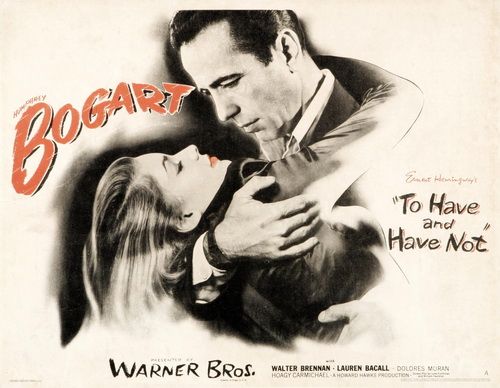
Howard Hawks, the same director who made Ball of Fire, was hired again for the job. Unlike professors of the story, Hawks had a great understanding of American modern popular music and even has incorporated them into his film. (see Hoagy Carmichael's glowing presence in To Have and have Not) The script, written and rewritten by an army of writers, based on an original idea by Billy Wilder and Thomas Monroe, was considered too messy to be credited to anyone, therefore the whole weight was put on jazz and jazz musicians, and rightly so.
Monday, 18 March 2013
More Favorites of the Year (for 24 Monthly)
| جِم كوهن، كارگردانِ ساعاتِ موزه - بزرگترين كشف سال |
Friday, 15 March 2013
Notes on Jean-Pierre Léaud
Thursday, 7 March 2013
Monday, 4 March 2013
Pops on Beats
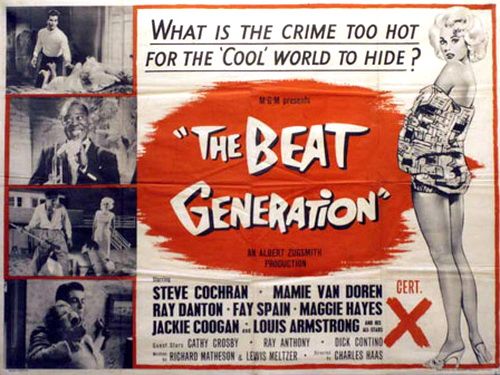
در شمارۀ نوروز ماهنامۀ سينمايي «فيلم» نقد نسبتاً بلندي از من خواهيد ديد بر اقتباسِ والتر سالس از در جادۀ جك كرواك. در واقع من آن نقد را بهانهاي قرار دادهام براي توضيح دشواريهاي برگردان سينمايي آثار نويسندگان نسل «بيت» (Beat) و همينطور ترديدهايي كه دربارۀ در جاده – چه كتاب و چه فيلم – دارم. در انتها فهرست كوچكي از فيلمهاي «بيت» مورد علاقۀ من خواهيد ديد كه البته بعضي از انتخابها ارتباط مستقيمي با جنبش ندارند و بيشتر ايدهآلهاي شخصياند دربارۀ اينكه يك فيلم «بيت» چگونه بايد باشد.
Friday, 1 March 2013
50 Essential Iranian Films
| Amir Arsalan-e namdar (Shapur Yasami, 1954) |
From Keframe, Fandor's journal of cinema:
Houshang Golmakani is the editor-in-chief of the Iranian Film Monthly, the first post-revolution film journal in Iran which, amazingly, has survived for 30 years. Aside from his full-time presence in the office of Film Monthly in downtown Tehran, he has written books on Iranian cinema and directed Stardust Stricken (1996) about Mohsen Makhmalbaf. This list doesn't necessarily represent the monuments of Iranian art-house cinema, but it is something of a map for those curious cinephiles who want to know more about Iranian cinema as a very special and somehow unique film industry. It is important to know that Iranian national cinema is not limited to names like Kiarostami, Makhmalbaf or Panahi. Aside from the work of great filmmakers with artistic ambitions since 1960s, there are certain kinds of commercial films that deserve attention, especially considering the fact that some of them present the “national genres” at their best. So let’s say this: here are 50 films that are essential to understanding Iranian cinema.
Wednesday, 27 February 2013
Jonathan Rosenbaum @ 70
| Jonathan Rosenbaum (image courtesy of TimeOut) |
Jonathan Rosenbaum turned seventy today. To celebrate his birthday, while he is busy teaching a course on film criticism in Mexico City, I have three pieces to offer, or rather Jonathan has provided me with three invaluable pieces to share with my readers:
Still there is plenty of great tributes to Jonathan by my colleagues in Keyframe, including a video portrait by Ignatiy Vishnevetsky and Kevin B. Lee, and few hours into the party, Kevin returns with his Critic as Performer: Jonathan Rosenbaum on Stage, on Screen.
Monday, 25 February 2013
Abbas Kiarostami, Up Close
After forty years of making films and collecting a wide range of awards and golden statuettes, Abbas Kiarostami retains a unique innocence alongside his earned artistic sophistication. He reminds us of characteristics endangered in the contemporary Iranian cinematic landscape, where censorship prevents filmmakers from speaking their minds and government-approved, state-supported cinema produces the major box-office hits.
Here, Kiarostami—interviewed by Iranian film critic (and my teenage years’ film-watching companion) Nima Hassani-Nasab in Farsi in 2012 and translated by me as Kiarostami’s work gets a close-up with a Film Society of Lincoln Center retrospective and the opening of his latest, Like Someone in Love, in U.S. theaters next week—shows a face that cannot be easily seen in his English-language interviews. Heavily quoting Persian poets (though the resonances are, sadly, lost in the translation), and trusting the interviewer, the filmmaker takes off his dark glasses to reveal the eyes of a vulnerable, melancholic man who sees his life and the cinema itself not worthy of all the suffering he has been through.
The conversation covers many details of Kiarostami’s life and career, but mostly focuses on Shirin which is probably the only film in history of cinema in which all the female stars of one country have both appeared and have cried. The interview was conducted in Kiarostami’s north Tehran house, with tables loaded with printed papers of the Iranian maestro’s latest book: Night in the Classic & Modern Persian Poetry. The last two volumes of that controversial project were about the water and the fire in Persian poetry. Kiarostami’s own poetic art still lies in the sublime encounter of the mighty elements of this universe with tiny, funny details of ordinary life. And it’s as cinematically as fresh as the invention the wheel.
Thursday, 21 February 2013
Phallic Domination in the 70s Hollywood
Thursday, 14 February 2013
Jean-Pierre Melville: An American in Paris [Book Review]
Tuesday, 5 February 2013
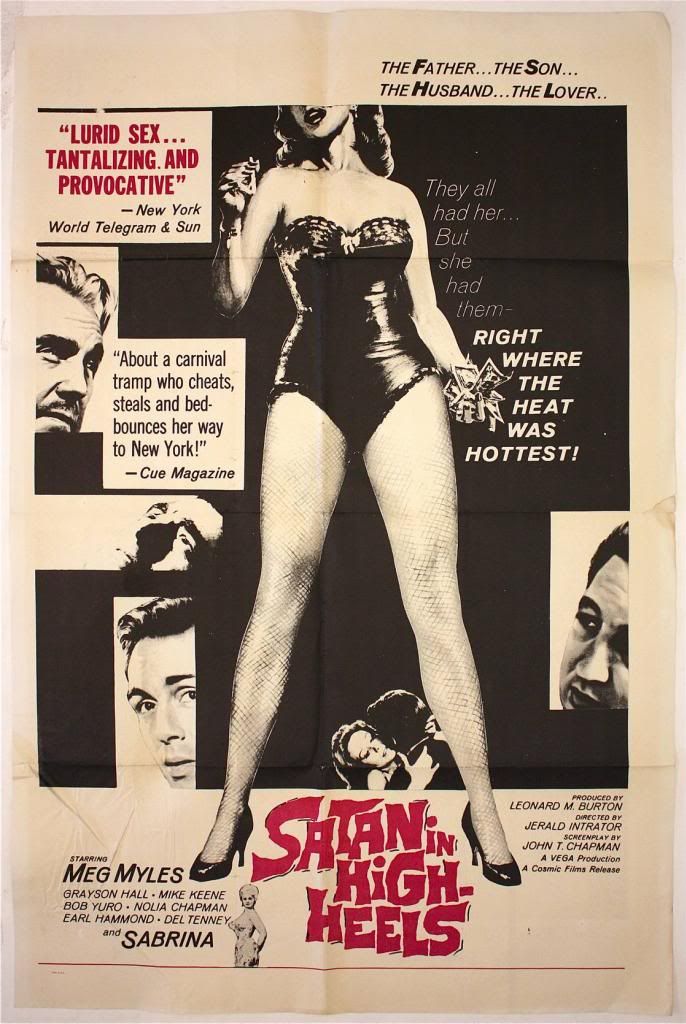
Jazz In High Heels
Monday, 4 February 2013
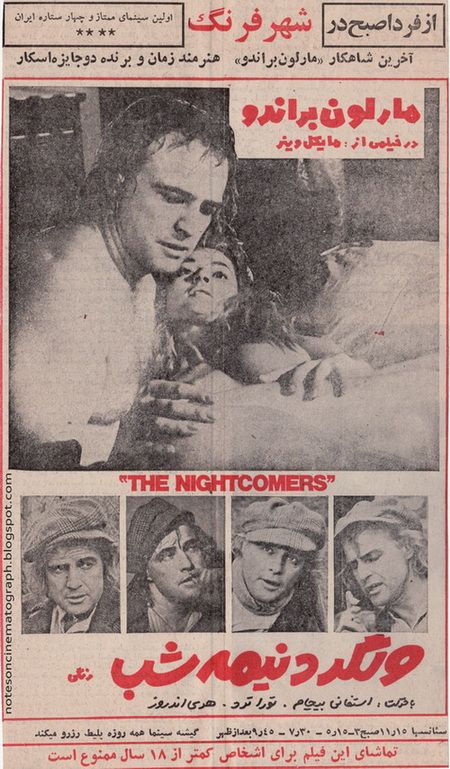
Film Ads In Iran#29: Nightcomers
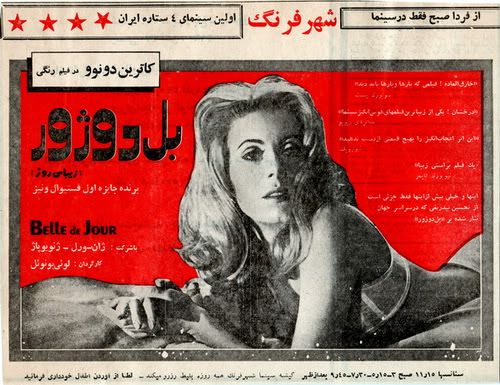
The Nightcomers (1971) starring Marlon Brando and directed by Michael Winner, the English director who passed away last month, shown at the Tehran's uptown film theater Shahre Farang. Before the revolution (also after that), there was no organization for rating and certifying films in Iran (sure there was censor, but once films passed the censor, theaters had no obligation to follow any age restriction), but posters were using fake age limits as a sort of publicity. As this ad shows, the publicity campaign has used "no under-18 is allowed into the theater" to arouse curiosity and draw more audience to the film, especially those of under eighteen! [click on the images to enlarge]
Friday, 1 February 2013
Notes on Stop For Bud
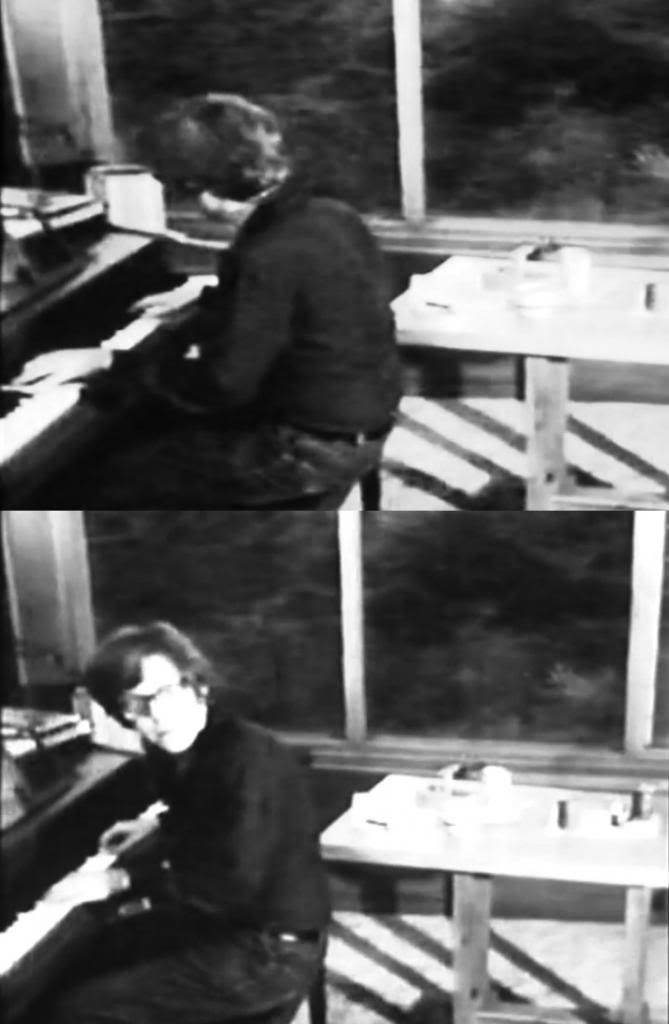
In 1963, Jørgen Leth, a Danish filmmaker (who was also a poet, art critic, controversialist and Tour de France commentator made a short, poetic and visually stunning film about the jazz pianist Bud Powell known as Stop For Bud.
The film, without showing much of Bud's piano playing, succeeds in achieving something that is hugely missing in jazz films of today: finding the right images (to the extent that filmmaker's visual vocabulary allows) to accompany the music, a constant translation from music to cinema and vice versa.
Tuesday, 29 January 2013
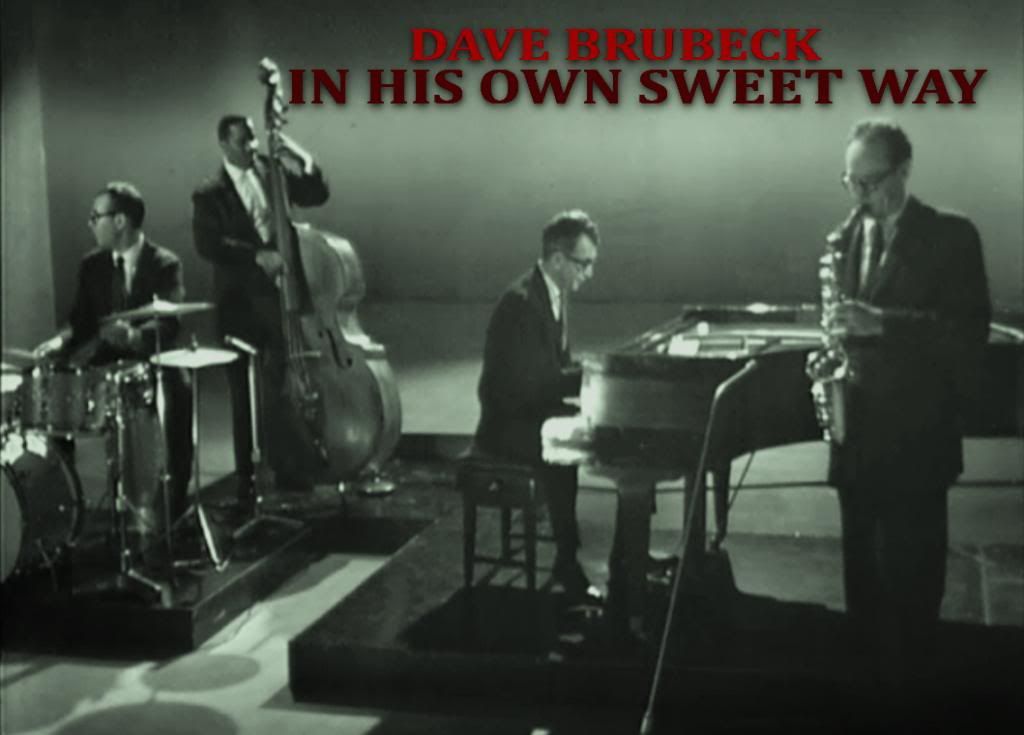
Dave Brubeck: In His Own Sweet Way
Finally I managed to catch up with the long-awaited Dave Brubeck documentary, In His Own Sweet Way, now on BBC iPlayer (online streaming in the UK). My curiosity wasn't only about Brubeck, whose music has had a part in my life, but also I was eager to see director Bruce Ricker's last film, who made the landmark jazz film The Last of the Blue Devils (1979) about the legendary travelling band of the 1930s with Count Basie, Big Joe Turner and Jo Jones.
Bruce Ricker died in May 2011, two months after Brubeck’s great drummer and collaborator Joe Morello left us. Brubeck passed away recently, after a prosperous and amazingly productive and inspiring life. The only living member of the classic quartet is Eugene Wright whose powerful and subtle rhythmic support is the most overlooked, whenever the subject is Brubeck’s music...
Sunday, 27 January 2013
Lang to King; Fellini to Fosse
Thursday, 17 January 2013
Monday, 7 January 2013
Favorite Non-Fiction Films of 2012
1
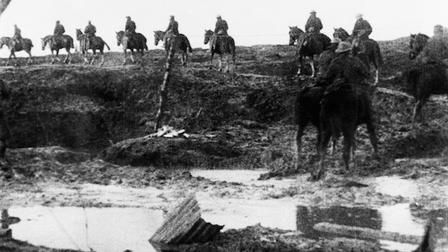
The Battle of the Ancre and the Advance of the Tanks (Geoffrey H. Malins, 1917)
The official record of the British army’s winter campaign on the Somme in 1916 sees the light of the screen in great restored print after 95 years. The images are so powerful, and the humanity of cameramen, in depicting foe and enemy alike, so moving that after this, the long row of soldiers of the Great War parading to the fields of mud and death in anything between All Quiet on the Western Front to Path of Glory look pale. There is no quiet and glory in this masterpiece of early documentary film.
2
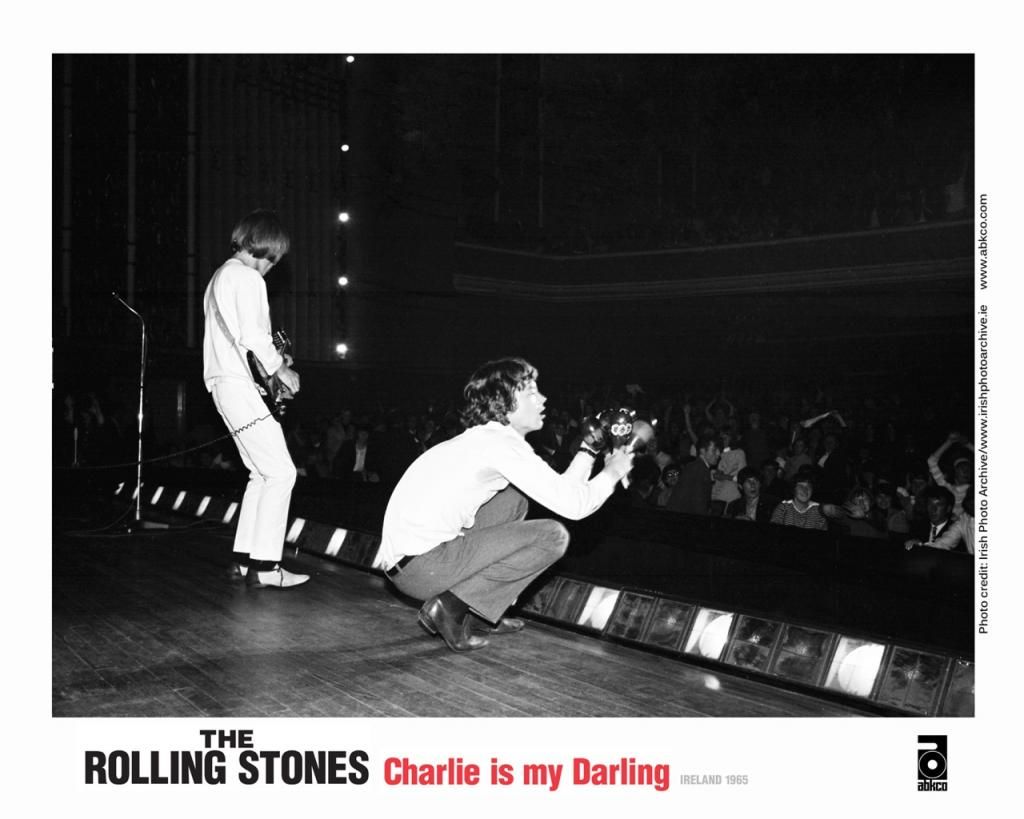
The Rolling Stones – Charlie Is My Darling – Ireland '65 (Peter Whitehead, Mick Gochanour, 2012)
In spite of the controversy over The Rolling Stones’ overpriced tickets for the 50th anniversary concerts and the banality of the specially commissioned documentary, Crossfire Hurricane, this first rate rockumentary, in its truth-revealing, aggression and humor can only be compared to Don’t Look Back. While the official Crossfire Hurricane shows Stones in a sloppy collage of famous films we have already seen - without daring to include any explicit footage from the dark side of the band in Cocksucker Blues - this cine-vérité piece serves the purpose in explaining "How Stones" or "Why Stones: as a brilliant portrayal of five naïve people, growing fast and transitioning from blues covers to strong personal statements about sex and death.
3
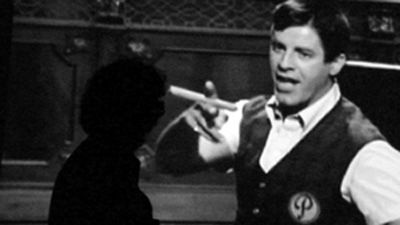
Jerry and Me (Mehrnaz Saeed-Vafa, 2012)
Not only a master class on the art of Jerry Lewis, but a highly confessional autobiography of an Iranian-American woman who, adoringly, sees her life projected in the films of a Jewish American comedian.
4
Reconversão (Thom Andersen, 2012)
A pleasant portrait of the Portuguese architect, Eduardo Souto de Moura whose fascination with ruins and transforming them into modern buildings is the main theme of his works, as well as this film's. Anderson, deliberately, avoids interviewing Souto de Moura till nearly the end of the film, but, still, the Andersen’s autonomy and personal vision allows him to draw an accurate plan of the architect’s thoughts and methods without limiting the outcome to direct statement from Souto. At the end, and after 65 minutes of still shots from Souto’s architectural works, the film, nearly, implies that Souto is a passionate Mies van der Rohe who idolizes Miles Davis and Ahmad Jamal.
5
The Pervert's Guide to Ideology (Sophie Fiennes, 2012) + Room 237 (Rodney Ascher, 2012)
If you take them as comedies, you’ll find them hilariously enjoyable. If you take them as dramas, you’ll have a chance to see the dark side of film studies and cinephilia in the age of digital. In both cases, it’s difficult to stay unimpressed with the massive comedy potentials of Slavoj Žižek and also those who have found a new Messiah in Kubrick.
Friday, 4 January 2013
Ceaușescu's Last Action Hero
![]() |
| Sergiu Nicolaescu |
Sergiu Nicolaescu died yesterday at 82. Here, I pay tribute to one of my first movie stars and heroes, who enjoyed massive popularity in Iran.
In June 1989, Ayatollah Khomeini, the leader of the seemingly never-ending 1979 revolution, died at 86. Among the few Western politicians who bothered to travel to Tehran to pay homage to the deceased Ayatollah, in his recently built and quickly expanding tomb (or more likely, shrine), was a short man wearing a tie. Seeing a European statesman—even from the eastern side of the continent—was a rare sight in those days. The country had just signed a treaty with Iraq after eight years of exhaustive war and was totally isolated. All Western countries were backing Saddam Hussein.
Being a curious child, I asked my father who that man was. My father, probably thinking that the concept of a Romanian president might be too abstract for me, answered: “He is the president of Inspector Moldovan’s country.” The answer was solid enough for someone whose movie hero happened to be from Romania: director, actor, and producer Sergiu Nicolaescu.


.jpg)