Thursday, 16 April 2015

A Tribute to Parviz Davaie

Parviz Davaie
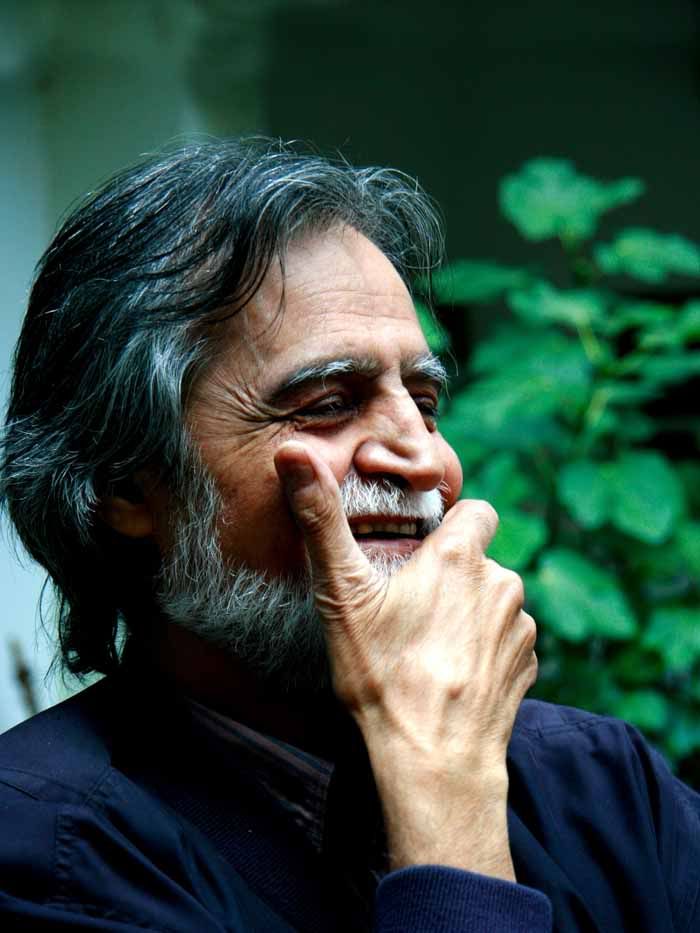
I'm honored to publish this personal, intimate portrait of Iranian author and film critic Parviz Davaie on my blog, not only because it gives insights about the man whose work I've always admired, but also because it is written by no one but his old friend and collaborator, and another pioneer of (modern) film criticism in Iran, Kiomars Vejdani.

PARVIZ  DAVAIE: A TRIBUTE
By Kiomars Vejdani

"Davaie speaking." His voice at the end of the phone was my first contact with Davaie for over fifty years. It had not changed a lot. The same soft tone reflecting his gentle nature. For the first few moments he was formal, serious, and rather reserved. But soon as he found out the identity of the speaker the formality gave way to unreserved warmth and welcoming friendliness. Exactly the sort of response I was hoping for.

A Setareh Cinema cover from November, 1966
Since moving away to England I have now and then been thinking about my period of work at Setareh Cinema and  happy memories among my friends there. The wish to contact them was always there. When I found out that Davaie is living in Prague that wish turned into decision. Getting his address from a mutual friend I wrote him a letter not hoping to receive an answer after all these years. Contrary to my expectation shortly afterwards I received a long letter from him. Loyal as ever he was pleased to hear from me. His letter gave me the encouragement for further contact. Shortly afterwards as I was making a journey to Prague I thought I could take this opportunity to pay him a visit. Hence the purpose of my phone call.


We arranged to meet the next day at eleven in the morning at the central square by the clock tower. (suggested by him as a place in Prague familiar to and easily found by tourists and visitors.) Next morning I was at the site a short while before the appointed time, looking in every direction for Davaie not quite knowing how he looks like after all these years (by then I had not yet seen his recent photos on the internet).

There was an element of  Hitchcockian suspense as I was looking at any approaching stranger wondering  with anticipation. Then at exactly eleven o'clock he was there (Davaie was always well known for his punctuality.) The same tall slim figure and handsome features. But the passage of time had turned his raven black hair into snow white, matched by equally white eyebrows and now an added becoming beard. He had aged. (Time does not stop for anyone.) His long black coat completed his dignified image of a writer and a  poet.

Unless it was my imagination his skin looked a shade darker. But he certainly looked thinner than his younger days. (Unlike me who has gained weight with advanced age.) We tentatively approached each other. His reaction to my first few words was total amazement.  "But you can speak Farsi!" Apparently in my letter I had given him the impression that I had completely forgotten my native language which is almost true. My command of Persian language is very basic and nothing like the days gone by. Nevertheless with a mixture of English and broken Farsi I managed to communicate with him. We talked about cinema, life,  our past, and everything under the sun. Within less than an hour it felt as if we had never been separated. For we had a good deal in common. We were more or less the same age (born in 1935و he was three years my senior.) We were both born in Tehran and spent our childhood and youth in that city. And above all cinema was the love of our lives.

Monday, 13 April 2015

The Boot [Chakmeh] (1993)

From my programme notes, written in 2014, for theatrical release of the film in the UK. -- E.K.
Seven years before the release of Mohammad Ali Talebi’s The Boot, the film which first brought him to international attention, he directed a puppet road movie, in which a gang of young mice unite against a vicious cat, whom their parents have given up hope of defeating. In The Boot it is real children who are fighting against the odds – and rather than a vicious cat, it is the crowded capital of Iran, Tehran, which threatens to overwhelm them.

Most of Talebi’s films about children feature an absent parent or two. In this case, young Samaneh’s father has died. In a shoe store, where the girl’s mother stares longingly at a happy couple shopping together, the gaze not only underlines the absence of her husband, but also the absence of a father figure in Samaneh’s life. Talebi’s interest lies in showing how children manage to fill that void.
 
Samaneh is a war child. The film was produced by Shahed TV (which translates as Martyr’s TV) whose remit was to depict the lives of those who lost family members during the eight-year war with Iraq. The heavy burden on children born during the war is subtly manifested throughout the film; particularly in one scene which takes place on a public bus, when a young boy is seen guiding an elderly blind man. These children, through pure curiosity, resilience and stubbornness are unconsciously reconstructing a damaged country.

Saturday, 11 April 2015

The London Film Festival 2014 Diary#2: Women Films


مامان (زاويه دولان، كانادا): دولان اميد تازه سينماي فرانسه زبان است و صورت‌اش كه براي مجله‌هاي مد هم كارآيي دارد تازه روي جلد شماره اكتبر كايه دوسينما جا خوش كرده. اما مامان كه مي‌توان آن را امتداد مضامين اولين فيلم بلند دولان، مادرم را كشتم (2009)، دانست، يك عقب‌گرد براي فيلمساز 25 ساله محسوب مي‌شود و دنياي هيستريك دولان با زنان قوي و جذابش و قاب سينمايي مضحك ( با نسبت يك به يك) به اپيزودي از سريالي آبكي شبيه است. اما اگر از آن طرف فرانسوا ازن اساساً بي‌استعداد با دوست دختر تازه يكي از نمايندگان سينماي فرانسه زبان شده باشد، عجيب نيست كه ببينيم فرانسوي‌ها تا اين اندازه از بال و پر گرفتن دولان سر ذوق آمده‌اند. 

Thursday, 9 April 2015

Hockney (Randall Wright, 2014)


هاكني (رندال رايت، بريتانيا): ديويد هاكني نقاش استخرهاي كاليفرنيايي، مَرغزارهاي يوركشاير و پرترۀ آدم‌هاي نشسته روي صندلي است. او كه از خانواده‌اي فقير از برادفورد در شمال انگليس آمده، يكي از مهم‌ترين آرتيست‌هاي بريتانيايي نيم قرن اخير محسوب مي‌شود. اين مستند كه كيفيت بصري خوبي دارد و دسترسي‌اش به تصاوير آرشيوي و فيلم‌هاي خصوصي هاكني محدود نبوده فرصتي است براي درك و دريافت نقاش هفتاد و هفت ساله. با آن‌كه فيلم مسائلي كه خودش طرح مي‌كند را بي‌جواب مي‌گذارد (مثلاً از اهميت پيكاسو براي هاكني مي‌گويد، اما هرگز نمي‌گويد چرا، چطور و تا كجا)، اما به جايش تصويري از دنياي آشيائي كه يك هنرمند را احاطه كرده‌اند مي‌دهد: قوري و فنجان‌هاي چيني روي ميز، هارپسيكورد كنار ديوار، عروسك خرسي غول‌پيكر، دوربين پولارويد، گلدان‌هاي ساده و بي‌طرح. 

Monday, 6 April 2015

The London Film Festival 2014 Diary#1

خاوخا [Jauja] (ليساندرو آلونسو، آرژانتين/هلند/آمريكا): اين فيلم كه از قاب‌هايي با نسبت آكادمي و نماهاي ثابت از چشم‌اندازهاي آرژانتين تشكيل شده مهندسي دانماركي با بازي ويگو مورتنستن را نشان مي‌دهد كه بعد از فرار دخترش با سربازي آرژانتيني به جستجوي او مي‌رود و مثل جويندگان، جستجوي دختر به سيري در تقابل بين مهاجمان و ساكنان بومي آن سرزمين بدل مي‌شود.

غار [La Cueva] (آلفردو مونترو، اسپانيا): نمونه‌اي قابل پيش‌بيني از سينماي «موبايلي» كه مثل يك «سلفيِ» نود دقيقه‌اي است و در آن تمام كليشه‌هاي ساب‌ژانر Found footage، مثل پروژۀ جادوگر بلر، در يك غار تكرار مي‌شوند.

Sunday, 5 April 2015

Métamorphoses (Christophe Honoré, 2014)

دگرديسي [Métamorphoses] (كريستف اونوره، فرانسه): فيلم‌هايي كه در آن دنياي افسانه‌اي يا اسطوره‌اي در دل دنياي روزمرگي‌ها جا گرفته و فانتزي و وحشت جزيي از اتاق نشيمن شده نه تنها در سينماي تجاري به يك جريان بدل شده، بلكه در سينماي جشنواره‌اي هم احياء شده است. مثلاً در همين فستيوال، بهار (جاستين بِنسُن، آمريكا/ايتاليا)، دختري ايتاليايي را در لباس آدمي عادي به نيروي ويرانگر و يك هيولا مبدل كرده. در فيلمي ديگر، Musarañas (خوانفر آندرِس و استبان روئِل، اسپانيا)، تهيه شده توسط الكس دلا ايگلسياس، زني خياط و خانه‌نشين از هر اهريمني مخرب‌تر است. در هر دو نمونه، تاريخ و مذهب به شدت‌هاي مختلف نقش دارند. هر دو فيلم در هر جايي به كاريكاتور نزديك مي‌شوند، يكي آگاهانه (Musarañas) و يكي از سر ندانم‌كاري (بهار). اما نمونه بهتر چنين سينمايي دگرديسي است كه اين ايده را طرح مي‌كند كه شخصيت‌‌هاي اسطوره‌اي مي‌توانند پشت سوپرماركت غول‌آساي منطقه‌تان پنهان شده باشند. منطق اين فيلم كه شخصيت‌هاي اساطيري را به دنياي معاصر آورده و در فضايي اروتيك به مواجهه و تعامل واداشته چنين است. مثل يك فيلم ژان كوكتوست كه براي جوانان امروزي ساخته شده باشد و قصدش آشتي دادن دنياي اسطوره‌اي با دنياي شهرت‌هاي مجازيِ قرن بيست و يكم است. در فيلم چند سكانس خارق‌العاده وجود دارد كه رنگ و بويي موزيكال دارند و تصويرسازي‌هاي بعضي جاها نفس‌گير است، اما در مجموع تأثير اين لحظات پراكنده آن‌قدر نيست كه فيلم را از حد متوسط فراتر ببرد. دنيايي جادويي اسطوره‌هاي چه در شكل ظريف كوكتويي و چه در شكل حماسي/اكشن سينماي ماسيستي ايتاليا اين جا چندان جادويي ندارد.

Thursday, 2 April 2015

Bag of Rice (1998)

From my programme notes for the Cinema of Childhood season in the UK, April 2014.

Bag of Rice [Kiseye Berendj] Director: Mohammad Ali Talebi.
Iran, 1998. With Jairan Abadzade. 80 mins. Cert. U.

The moment that Jeyran, the unflagging young protagonist of Bag of Rice, sets out on her urban odyssey across south Tehran with her partially-sighted neighbour Masoumeh Khanoom, two children – one of whom is lugging a gas cylinder with difficulty– are seen walking towards the camera. The scene takes place in a narrow, brick-walled alley; it is representative of director Mohammad Ali Talebi’s film style and contains the essence of his view of the lives of children in his home city. It expresses the responsibilities, or rather the burdens, that their circumstances demand they bear, and which force them to mature early in their lives. Children in Talebi’s films, especially in Bag of Rice, are not guided by adults, but rather they are the guiding force through the unexpected surprises of everyday life, on journeys of self-determination.

This perspective on youth in Tehran is found not only in the cinema of Talebi, but also in other films produced by the Institute for Intellectual Education of Children and Young Adults – where Talebi and numerous contemporaries, including Abbas Kiarostami, started out as working directors. It is an outlook that owes much to the second “author” of the film, screenwriter Houshang Moradi-Kermani, the leading proponent of literature focusing on children and teenagers in Iran.

Thursday, 26 March 2015

Kamran Shirdel Meets Michelangelo Antonioni

Kamran Shirdel interviews Michelangelo Antonioni during The Tehran International Film Festival, 1975.

Monday, 23 March 2015

From Sketch to the Screen: Ken Adam's Citty Chitty Bang Bang

Taxi (Jafar Panahi, 2015)


به خاطر حساسيت‌هاي روي پناهي، اين بخش از گزارش من از برليناله به شكل كامل در ماهنامه «فيلم» منتشر نشد. اين نسخه كامل آن است. هنوز هم از واكنش‌هاي سبوعانه و بعضاً مغرضانه مطبوعات به اين فيلم - كه البته بيشترشان فيلم را هنوز نديده‌اند - حيرانم.  ا.خ.

يادداشتي بر تاكسي جعفر پناهي
كم‌تر اثري در برليناله به اندازۀ تاكسي جعفر پناهي مؤيد تغييرات بنيادين سينما در قرن بيست و يكم و زير و رو شدن شكل ساخت، ارائه و برداشت اثر سينمايي بود. اين تجربه كوچك، مطبوع و بسيار موثر دنياي فيلم‌هاي اخير پناهي را به شكلي منطقي و حساب شده گسترش مي‌دهد (البته من پرده را نديده‌ام) و قابليت‌هاي ديجيتال براي يك مكاشفه شهري/اجتماعي ثابت مي‌كند. فيلم مجموعه‌اي از صحنه‌هاي نوشته شده و طرح‌ريزي شده است كه برخي اصالت مستند بيش‌تري نسبت به ديگري دارند، اما وجود همه و كنار هم قرار گرفتنشان براي ساختار فيلم ضروري است. قالب اصلي يك كمدي است كه در آن فضاي محدود تاكسي، اين «اكلسيا»ي طبيعي در ايران (همان جايي كه در عصر طلايي يونان شهروندان براي صحبت دربارۀ موضوعات عام گردهم مي‌آمدند) به جايي براي تبادل نظر و تنش تبديل مي‌شود.

Friday, 20 March 2015

Camp X-Ray (2014)

كمپ ايكس‌ ري (پيتر ستلِر، آمريكا): مشكل بزرگ سينماي آمريكا اين است كه تصور مي‌كند اعتقادش به فردگرايي با شعارهايي كه دربارۀ ارزش‌هاي جمعي سر مي‌دهد مي‌توانند به راحتي يك كاسه مي‌شوند. به عبارت ديگر در سينماي آمريكا رستگاري يك فرد، رستگاري يك دسته بزرگ‌تر مثلاً رستگاري يك كشور تلقي مي‌شوند. در اين سينما بيداري يك فرد هميشه با بيداري جمعي اشتباه گرفته مي‌شود. در سينمايي آمريكا وقتي نوبت موضوعات حاد روز مي‌رسد، معمولاً يك شخصيت (در اين جا يك نظامي زن) در مقابل سؤالي تاريخي/اخلاقي (در اين جا زنداني كردن و شكنجه مضنونين تروريسم) قرار داده مي‌شود. اما به محض اين كه آن شخصيت وجود آن سوال را به رسميت شناخت، و قبل از اين كه به پاسخي برسد، فيلم با عجله و غرق در احساسات به پايان مي‌رسد. با آن‌كه كمپ ايكس ري در دسته فيلم‌هاي بعد از يازده سپتامبر اثر بهتر و برخوردش با رسوايي‌هاي اين كشور در گوانتانامو صادقانه‌تر است اما هم‌چنان با برخورد ملودراماتيك از زير مسئوليت انساني خودش شانه خالي مي‌كند.

Tuesday, 3 March 2015

Il Cinema Ritrovato 2015


The gates of heaven will be opened once more on June 27th. If you don't know about Bologna's Il Cinema Ritrovato, then maybe you're looking for the gate in the wrong place.
 
The festival of international cinephilia, film history and preservation, a year after losing the irreplaceable Peter von Bagh, is more or less following Peter's guidelines and the road map he drew before his passing in September 2014. (See my homage to Peter here.)


According to the festival's official newsletter, the XXIX edition of Il Cinema Ritrovato will take place from June 27th to July 4th:

"About 360 films from 1895 till today (all with English subtitles), 5 theatres from dawn till dusk, as well as open air evening screenings in Bologna’s wonderful main square, Piazza Maggiore, and in Cineteca’s courtyard, Piazzetta Pasolini. 8 fulfilling and memorable days to dive into the pleasure of unique screenings, to discover the best prints and digital restorations from the most important film archives and institutions all over the world, to meet the main exponents of film history as well as current cinema."

The major strands in the festival, loosely categorized in three parts, are announced, and I'm glad to say that the jazz section (called Jazz Goes to the Movies) is curated by me and Jonathan Rosenbaum in which some newly restored jazz films, as well as standard classics will be screened.

So for now, this is what seems like a full week's plan in Bologna:

Sunday, 1 March 2015

Notes on Peter Kubelka


تجربه‌هايي با آن‌چه تماشاگر نمي‌بيند
سينماي مِتريكِ پيتر كوبِلكا

در وسط سالني پررفت و آمد مثل يكي از ستون‌هاي خاكستري آن بي‌حركت و منتظر دوستي ايستاده‌ام. مقابل من پيرمردي با صورت گردِ همينگوي‌وار، مو و ريش سفيد و كوتاه و لباس سياه احتمالاً در موقعيت مشابه من قرار دارد. او هم منتظر كسي يا چيزي است. براي يك لحظه، مثل صحنه دوئلي در يكي از وسترن‌هاي لئونه، اين‌بار از فاصله‌اي نزديك، نگاهمان در هم تلاقي پيدا مي‌كند. او مثل مرد بي‌اعتناي شمال از شمال غربي، در آن طرف جاده دوباره به افكار خودش فرو مي‌رود و من كه تصور مي‌كنم چهرۀ آشنايي ديده‌ام، در حالي كه حافظه كوچك‌ترين دستِ ياري‌اي نمي‌رساند، مثل راجر تورنهيل با اصرار بيش‌تر، و با كمي شرم، دوباره خيره مي‌شوم. اما همۀ اين تلاش با سر رسيدن همراهاني كه باعث توقف و انتظار ما در آن نقطه شده‌اند متوقف مي‌شود و هركسي به راه خودش مي رود. چند دقيقه بعد در خيابان تصوير صورت پيرمرد، اين بار با نامش، به ذهنم برمي‌گردد: پيتر كوبلكا!
اين برخورد بسيار كوتاه و تصادفي با يكي از غول‌هاي سينماي تجربي در روزهاي فستيوال فيلم لندن درست مثل خواب بود، يا دقيق‌تر، درست مثل صحنه‌اي از يكي از فيلم‌هاي اين فيلم‌ساز 78 ساله اتريشي كه هم فيلم‌ را مي‌بينيد و هم نمي‌بينيد. ديدنتان به نديدن تبديل مي‌شود و ندينتان فعلِ ديدن را گواهي مي‌كند. اجازه بدهيد برخلاف سينماي صدردصد آبستره كوبلكا، ما كمي از زبان آبستره فاصله بگيريم تا معلوم شود فيلم‌هاي او چطور هم ديده مي‌شوند و هم نمي‌شوند.

Friday, 20 February 2015

British Cinema in Iran: A Brief History


Many histories of contemporary Iran are left unwritten. Many stories about Iranians and their struggles throughout the 20th and 21th centuries, powerful and dramatic ones, are yet to be filmed. Foreign films in Iran, their reception and their impact on film culture is one of them.

I have contributed a chapter to a new book on Iran-UK cultural relations published by the British Council. Didgah: New Perspectives on UK-Iran Relations is a study of affinities shared between the two nations through history, art, and language.


In my chapter, called British Cinema in Iran: A Brief History, I've explored the continuing presence of British films in Iran, whether in form of theatrical screening or popular prime time TV series. It delves into various types of history, such as the history of Iran in 20th century, its film culture and even my personal history and a very special relationship I developed as a teenager with British films on TV.

It is a history which spans the promotional films of the British Council, in the 1940s to TV series such as The Sweeney, Miss Marple, Sherlock Holmes, and Edge of Darkness in 1990s. Sporadically, but often enthusiastically, British cinema and television productions have been highly appreciated in Iran and the UK’s identity has been on display in many and various ways.

I have narrated it, after an introduction, in three parts as following:

  • First golden period: the documentary movement
  • Second golden period: British art house cinema vs. Norman Wisdom 
  • After the revolution: Norman (again), Nazis and beyond
Like any narrated history, there is a conclusion too.

The book can be download in its entirety here or viewed online, below.


Saturday, 14 February 2015

Berlin: A Cinetopographic Guide


"Our taverns and our metropolitan streets, our offices and furnished rooms, our railroad stations and our factories appeared to have us locked up hopelessly. Then came the film and burst this prison world asunder."  —Walter Benjamin

The topographical Berlin, which one can journey to by train or plane, was born in the 12th century. The celluloid Berlin, which one also buys a ticket for but takes a different kind of trip to, materialized much later, towards the end of the 19th century. The silver screen immediately became a site of living memory for the city, as well as a means by which to project into future.

The “birth” of the celluloid Berlin took place on a rooftop above the Schönhauser Allee, when the inventors of German cinema, the Skladanowski brothers, captured Berlin’s skyline. Only a few of those frames remain, ghostly and fading. Provoked by these images, we will explore some of the best examples of Berlin on film.

Encounters at the End of the World: The Departed, 2014

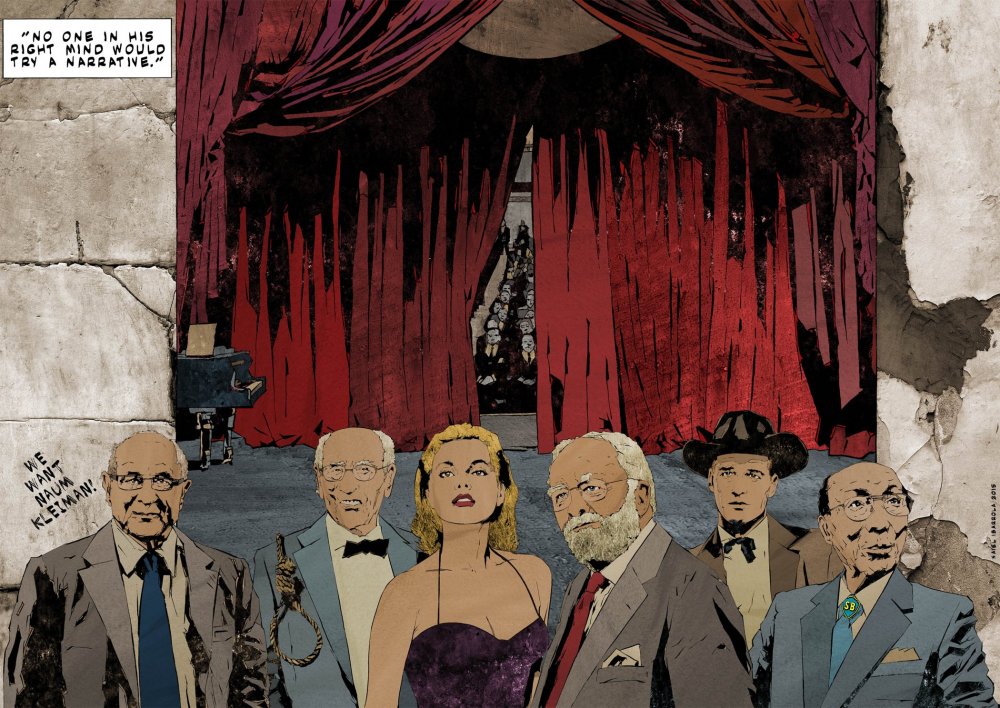
A visual homage to some of the key figures in film who passed away in 2014. A cine comic strip by Ehsan Khoshbakht and Naiel Ibarrol.

Friday, 30 January 2015

Like One of Truffaut's Dreams [Il Cinema Ritrovato, 2014]

فانتوماس - Fantômas
گزارش بيست و هشتمين جشنوارۀ Il Cinema Ritrovato، بولونيا، ايتاليا، 7 تا 14 تير 1393
مثل يكي از خواب‌هاي تروفو
احسان خوش‌بخت

شبحِ صدساله و جوان هانري
پياتزتا پازوليني. حياطي در محاصره سالن‌هاي سينما، موزه، كتابخانه و ستاد فرماندهي سينه‌فيلياي امروز، چينه‌تِكا بولونيا در دل شهري كه پير پائولو پازوليني در آن به دنيا آمد. هنوز هم روي ديوارهاي شهر به جاي چه گوارا يا باب مارلي صورت مكعب-مستطيلي پازوليني را مثل كد رمزي از دنياي زيرزميني نقاشي مي‌كنند. فكر اين كه كساني در نيمه‌هاي شب، دور از چشم پليس و رهگذران، اين پازوليني‌هايِ شابلونيِ سياه و سفيد را روي ديوارهاي قهوه‌اي و نارنجي شهر قرون وسطايي حك مي‌كنند خودش به رويايي سينمايي مي‌ماند، مثل يكي از آن خواب‌هاي فرانسوا تروفو.
 در گوشه‌اي از حياط پازوليني، ژان دوشه، يكي از آخرين تفنگداران نسل اول «كايه دو سينما» زير سايه چتري نشسته است. عكسي از او را كه در تهران دهۀ چهل شمسي در دفتر مجلۀ «هنر و سينما» گرفته شده به دوشه نشان مي‌دهم. چشمانِ گردش گردتر مي‌شود. «آآآآآآ». يك «آ»ي خيلي طولاني از سر تعجب و به خاطرآوردن سرعت گذر زمان كه سريع‌تر از يك كمدي باستر كيتن است. دوشه از دو مرد جوان ديگر حاضر در عكس پركنتراست مي‌پرسد. به او مي‌گويم يكي پرويز نوري است و آن يكي كيومرث وجداني و هر دو هنوز فعالند. دوشه به احترام دوندگان استقامت لبخند مي‌زند. 

Thursday, 22 January 2015

Celluloid London: A Dandy in Aspic

A Dandy in Aspic (1968), a cold war spy thriller set in the UK and Germany, was Anthony Mann's last film. He suffered a fatal heart attack while filming in West Berlin and the film was completed by its star Laurence Harvey.

After the opening sequence which seems to be shot in Surrey, the first half of the film is entirely set in London and demonstrates a cleverly mapped series of movements in the city which I have pinpointed here:


Unlike many other London films of the period, Anthony Mann's move in London is geographically rational. By that I mean eschewing the urban inaccuracies of films such as Victim, in which when the car turns around a street, we face an impossible jump to a location miles away.

What Mann does is keeping every move in the city within the logic of its material space, hence drawing a map in audience's mind which intensifies the relation between the drama and the place.

Even the Berlin part, a city which I barely know, benefits from the same intensity and accuracy of cinetopographical mapping. I believe it is the same consistency which gives an authentic feeling to Mann's even older, studio-built films such as Side Street (1950).

The exterior movement of A Dandy in Aspic, as you see marked on the map in order of their introduction in the film, develops like this:

Wednesday, 14 January 2015

Anthony Mann Interviewed (1964-65)


گفت‌وگوي كريستوفر ويكينگ و بري پتيسن با آنتوني مان، 65- 1964
مثل اديپ يا آنتيگون

نظرتان دربارة وسترن چيست؟
فكر مي‌كنم دليل اين‌كه وسترن محبوب‌ترين و پايدارترين ژانر است، در آزادي عملي است كه در مناظر طبيعي و در خلق هيجان به آدم‌ها مي‌دهد. فرمي بدوي است، با قواعد مشخص‌نشده؛ هر كاري بخواهيد مي‌توانيد با آن انجام دهيد. كيفيت بصري مطلوبي دارد. هرجور شخصيتي كه بخواهيد در آن هست؛ خشونت، هر چيز مورد نيازتان، گستره‌اي از تمام احساسات، لذت تجربه‌هاي ناكرده و بيرون استوديو. وسترن افسانه است و افسانه بهترين شكل سينما را مي‌سازد. چيزي است كه تخيل را به شور مي آورد ــ آن‌چه مردم عاشقانه دوست دارند. آن‌ها نمي‌خواهند بگويند كه «اَه اينو خودم مي‌دونم!»؛ آن‌ها فقط احتياج دارند كه چيزي را احساس كنند، افسانه تصويري از شخصيت‌هاي وراي زندگي روزمره‌شان است. وسترن آدم را از چيزهاي دست‌وپاگير و قواعد رها مي‌كند. چه‌طور يك سرخ‌پوست زندگي مي‌كند؟ چه‌طوري در دشت‌ها مي‌تازد؟ يك مرد چه‌گونه وارد بار مي‌شود و به كسي شليك مي‌كند؟ اين‌ها ديگر اتفاق نمي‌افتد. وسترن حالا در جريان نيست، اما روحي است كه نوعي از آزادي و تحرك را در خود دارد و براي هميشه در ذهن بيننده حبس مي‌شود. مردم مي‌گويند: «اي كاش آن‌وقت‌ها زندگي مي‌كرديم ــ شگفت‌انگيز نيست كه آن‌وقت‌ها چه‌قدر حرفه‌اي بودند؟ رؤياهايشان چه بود؟ چه مي‌كردند؟».

Saturday, 27 December 2014

Best Films of 2014

Some of my favorite films of the year as published (or to be published in early January) on Keyframe, Senses of Cinema, and MUBI Notebook.


فيلم‌هاي برگزيدۀ سال

Thursday, 25 December 2014

Tuesday, 16 December 2014

Swing in Darkness: Interviewing Ekkehard Wölk


This interview with silent film accompanist and jazz piano master Ekkehard Wölk was originally published on Film International. The Farsi version appeared on Film Monthly and the online publication, on Silent Era where it is has been accessible for the last 4 years.

Ekkehard Wölk is a German pianist, arranger, composer, and accompanist for silent films. His style consists of a personal interpretation of classical music from a jazz improviser's view. He has composed music scores for several German silent films, two of which, Secrets of a Soul (G.W. Pabst, 1926) and The Finances of the Grand Duke (F. W. Murnau, 1924), are currently available on DVD (released by Kino International).

Wölk was born on 14 June 1967 in Schleswig, Germany, and began his piano training at the age of seven in the classical tradition of Leschetitzky and his famous adepts Artur Schnabel and Edwin Fischer. After graduating from high school, in 1987, he studied historical and systematic musicology at the University of Hamburg and continued his scholarship at the Humboldt University in Berlin.

From 1988 Wölk studied classical piano at the conservatories in Hamburg and Lubeck, graduating in 1994 as a concert pianist and music pedagogue. Ekkehard wrote his first jazz compositions at the age of twenty-two, and at first, his primary jazz influence was Bill Evans, but he later also studied Bud Powell, McCoy Tyner, Thelonious Monk, Ahmad Jamal, Art Tatum, and specifically Fred Hersch who, many years later, became his master teacher in New York City.

In 1995, Wölk moved to Berlin and worked as a composer and bandleader, developing creative projects mostly in the jazz field. He has worked as a jazz and classical teacher, as an arranger, and as a flexible accompanist for many jazz singers, as well as in the classical and musical show genres. He has also worked in theatre as an accompanist, notably, for the Brecht Theatre Berliner Ensemble.

Monday, 8 December 2014

The Shah's Order of the Crown for Charlie Chaplin

سلطاني در نيويورك

In December 1975, the Shah of Iran decorated Charlie Chaplin with a an Order of the Crown (Third Tadj medal) which was given to the retired comedian in his Swiss house.

Probably the Shah was unaware of the fact that the shrewd actor/director had already mocked him and his failure in seeing the changes in his country (as well as being a victim of his ignorance) in A King in New York, where the name of the dictator on the run is Shahdov.

If great art prophesies the things of future, then the sad ending of a dying, exiled Shah, waiting for  permission by the US government to be treated in a New York hospital (which was eventually rejected) clearly resembles the world of A King in New York.

The images are courtesy of Charlie Chaplin Archive in Bologna, Italy.

Wednesday, 3 December 2014

The London Jazz Festival Review

عكس از احسان خوش‌بخت
گزارش فستيوال جاز لندن: نغمه‌های نیم‌رنگ و تمام‌رنگ
احسان خوش‌بخت

«اين يكي رو براي تو مي‌زنم، رِكس!» اين صداي لويي آرمسترانگ بود كه در كاخ باكينگهام طنين انداخت. اين كه يك موزيسين جاز سياه‌پوست در دهه 1930 در كاخ چه مي‌كرد يك موضوع است و اين كه او چطور جمله بالا را خطاب به شاه جرج پنجم گفت كه حتي براي راه رفتن در پانصد متري‌اش بايد چند پروتكل را روخواني و رعايت مي‌كرديد، موضوعي ديگر. آرمسترانگ در آن روز تاريخي داشت آگاهانه شاه جرج پنجم را با نامي صدا مي‌كرد كه در نيواورلئان به سلطانِ جشن ماردي گِرا داده مي‌شد؛ خلاصه اين كه فرياد شعف لويي از سر احترام و تيزهوشي بود و اداي دين به كشوري كه هميشه با او مثل يك قهرمان و هنرمندي بزرگ رفتار كرد. كمي بيش از يك دهه قبل از اين ديدار، در 1919، اولين باري كه يك گروه جاز در مقابل سران يك مملكت موسيقي اجرا كرد و وادارشان كرد زير لباس‌هاي سنگين و مدال‌هايشان مخفيانه از شعف بِشكن بزنند در همين انگلستان بود. به خاطر داشته باشيد كه اين دهه‌ها قبل از اين است كه موزيسين‌هاي جاز در خواستگاه اصلي‌شان، آمريكا، به رسميت شناخته شوند. عشق مردم بريتانيا به جاز اين كشور را به نوعي خانۀ دوم اين موسيقي بدل كرده كه بهترين محل عرضه‌اش فستيوال جاز لندن در اواخر آبان‌ماه هر سال است.

Sunday, 30 November 2014

Days and Nights of Hunchback (June Festivals), Part IV


يادداشت‌هايي پراكنده از چند فستيوال و چند گرايش در سينماي امروز بخش چهارم
شب‌ها و روزهاي قوزي
احسان خوش‌بخت

خانه‌هاي اشباح

اما در ادينبورو، كه رابطه‌اي تنگاتنگ با فريبورگ دارد، به جز سينماي ايران حضور سينماي آمريكا قابل توجه بود. من يكي دو نكته در اين فيلم‌ها ديدم:
در سينماي آمريكا عطش براي مولف بودن در حالي فزوني گرفته كه مراسم خاكسپاري‌ تئوري مولف در اواخر قرن قبل انجام شده، تمام شده و رفته است. وقتي فيلم‌ها وحدت سبك ندارد شايد بهترين راه براي اثبات تأليفي بودنشان بازي كارگردان در نقش اصلي است كه در اين دوره رواج پيدا كرده بود. نكته ديگر دربارۀ اين فيلم‌ها استفاده بي‌معنايشان از عنوان «مستقل» يا سينماي به قول آمريكايي‌ها «ايندي» است كه خودش تبديل شده به سينمايي كه در فستيوال‌ها تجارت مي‌كند، سينمايي با مسئوليت تجاري محدود. هر فيلمي كه كارگردانش زير 35 سال سن داشته باشد و هيچ ستارۀ هاليوودي‌ در آن بازي نكرده باشد شانس اين را دارد كه به عنوان «فيلم مستقل» شناخته شود. اما واقعاً تفاوت اين فيلم‌ها با فيلم‌هاي ساخته شده توسط خود استوديوهاي بزرگ چيست؟ تقريباً هيچ. سه آمريكايي زير را مي‌شود زير عنوان فيلم‌سازي مولف‌زده با مسئوليت تجاري محدود طبقه‌بندي كرد:

Saturday, 29 November 2014

Days and Nights of Hunchback (June Festivals), Part III

از راست: حميد نفيسي، كريس فوجي‌وارا، ابراهيم گلستان، مانيا اكبري
يادداشت‌هايي پراكنده از چند فستيوال و چند گرايش در سينماي امروز بخش سوم
شب‌ها و روزهاي قوزي
احسان خوش‌بخت

اسكاتلند، پايتخت موقت سينماي ايران

ساعت يك و نيم بعدظهر كه قطار به ادينبورو مي‌رسد، آفتاب به استقبال ما آمده است. مهرناز سعيدوفا هم در همين قطار است. او مهمان فستيوال است براي شركت در دو نشست دربارۀ سينماي پيش از انقلاب ايران. اسكاتلند در ماه ژوئن پايتخت موقت سينماي ايران شده است.
در لابي هتل ايپكس در گرس‌ماركت، مقابل جايي كه قبل از عصر روشنگري متهمان به جادوگري را آتش مي‌زدند، مرد سپيدمويي با ابروهاي پرشت به آرامي سوپ‌اش را مي‌خورد. اين ابراهيم گلستان است كه با همسرش بعدظهر آرامي را در ادينبورو مي‌گذارند، جايي كه قرار است خشت و آينه، گنجينه‌هاي گوهر، تپه‌هاي مارليك و خانه سياه است به عنوان بخشي از رتروسپكتيو سينماي ايران نمايش داده شود.

ابراهيم گلستان - عكس از احسان خوش‌بخت

Thursday, 27 November 2014

Days and Nights of Hunchback (June Festivals), Part II

مهرناز سعيدوفا - عكس از احسان خوش‌بخت
يادداشت‌هايي پراكنده از چند فستيوال و چند گرايش در سينماي امروز بخش دوم
شب‌ها و روزهاي قوزي

بخش اول اين‌جا

فيلم به عنوان رساله

در همان فستيوال اپن سيتي، فيلم جري و من، ساختۀ مهرناز سعيدوفا به دستۀ دوم از فيلم‌هاي آخر ماه ژوئن تعلق داشتند، گونۀ رو به گسترش فيلم-مقاله يا Essay Film. (لارا مالوي، فيلم‌ساز و نويسنده برجسته انگليسي و عده‌اي ديگر قرار است به زودي اولين فستيوال فيلم-مقاله را در لندن راه بيندازند.) فيلم-مقاله نوعي از سينماي مستند است كه زبان سينما را مثل مقالۀ ادبي در جهت بررسي يك موضوع، اثبات يك فرضيه يا طرح يك نظر به طور مستقيم و بي‌واسطه برمي‌گزيند. به جاي (يا در كنار) نقل قول از بزرگان در قالب نظم و نثر، اين نوع از سينماي مستند، خود سينما و تاريخ تصاوير ثابت و متحرك را «نقل بصري» مي‌كند (بسياري از فيلم‌مقاله‌ها ستايشي يا تاريخي از خود سينمايند كه مشهورترين نمونه‌اش تاريخ(هاي) سينماي گدار است). فيلم‌سازاني مثل پيتر فون‌ باخ، مارك كازينز و آدام كرتيس از اين سينما براي مطالعه فرهنگ، سينما، سياست و تاريخ استفاده كرده‌اند و همان‌قدر به عنوان فيلم‌مقاله‌ساز اعتبار دارند كه كن لوچ به عنوان كارگرداني اجتماعي و وينچنته مينلي به عنوان يك موزيكال‌ساز.
فيلم-مقاله معمولاً جهت‌گيري ايدئولوژيك روشن‌تري نسبت به سينماي مستند و داستاني معمول دارد. نه سياست‌زده است و نه زده از سياست. اين واقعيت كه در فيلم-مقاله مي‌توان چيزهايي فراتر از موضوع اصلي فيلم طرح كرد به كارگردان قوت قلب مي‌دهد و مثلاً در فيلم سعيدوفا كه دربارۀ عشق او به فيلم‌هاي جري لوييس است، او نه تنها هنر جري لوييس را از نگاه خودش تفسير مي‌كند، بلكه دنياي پرتناقض ايران بعد از كوتاي 28 مرداد را زير ذره‌بين مي‌برد، و حتي در جايي، نزديك به اواخر فيلم، به كشتار غزه در دسامبر 2008 اشاره مي‌كند. قالب فيلم-مقاله براي او فرمي از اتوبيوگرافي سينمايي است كه فقط محدود به يك موضوع نمي‌شود، اگرچه تمام اشاره‌هاي جانبي نيز به خود موضوع اصلي برمي‌گردند و تأثير مستقيم يا غيرمستقيم‌شان بر آن موضوع نشان داده مي‌شود.