Sunday, 29 September 2013

Cinephilia Translated, Part 1


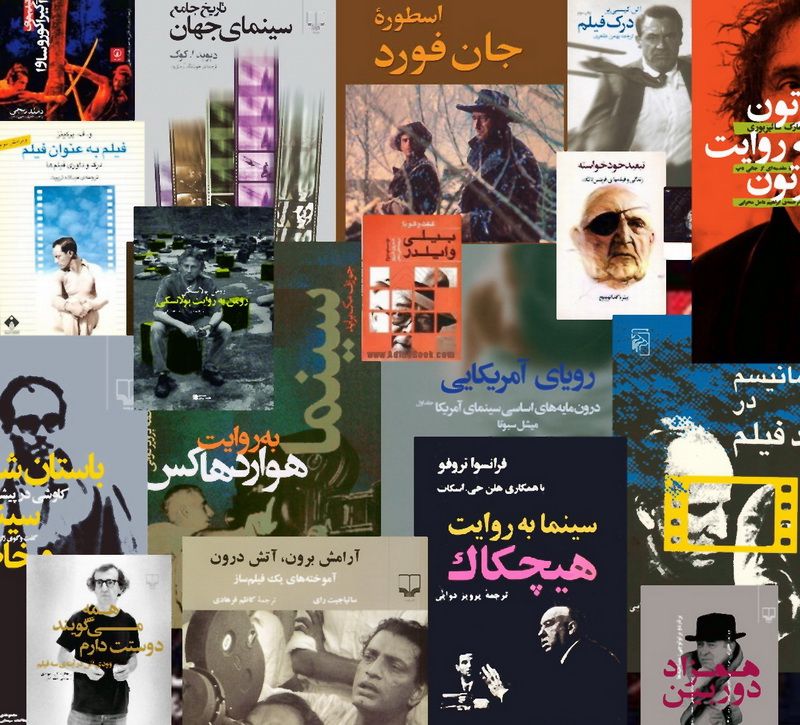
Browsing through the pages of Iranian Film Monthly, a publication dedicated to half serious, Cahiers-ish, text and half industry-oriented (Iranian version of Hollywood Reporter, if you like) content, I arrived at a dossier, focusing on the films of the Turkish director Nuri Bilge Ceylan. Then I figured that at least 13 odd articles (from short reviews to long interviews), from 13 different international writers and film critics have been translated into Farsi/Persian, of course, unauthorized. However, I must add, this has been an inseparable part of the film culture in Iran for the last 50 years.

Arguably, Iran is one of the few places on earth that you can buy the latest issue of a film magazine and in it read a broad range of writers, whether living or deceased, from four corners of the world. Juxtaposition of Andre Sarris, Claude Chabrol (the critic) and Laura Mulvey could be the most intriguing, and it's most likey to see it in an Iranian film journal. The aforementioned Nuri Bilge Ceylan dossier had put together articles by Geoff Andrew, Peter Bradshaw, Manohla Dargis, Wally Hammond, J. Hoberman, Ali Jaafar, Nick James, Liam Lacey, Michael Phillips, A.O. Scott, Jason Wood, Robin Wood and Deborah Young, seemingly, the Anglo-American tendencies surpassing those of Francophile's which was more popular in the pre-revolutionary country. 

Wednesday, 25 September 2013

Edinburgh Video Interviews

Edinburgh © Ehsan Khoshbakht
Last June I was a guest in Edinburgh, attending the Edinburgh International Film Festival. One morning I borrowed Mark Cousins' flip camera and made some interviews, two of which are now live on Fandor's Keyframe.

1
David Cairns’ and Paul Duane’s ‘J’accuse’: Cairns and Duane attempt to set the record straight regarding the Dreyfus of early French cinema, Bernard Natan. Watch the interview here.

2

Mark Cousins, in Perpetual Motion: Catching up with the road-tripping, time-traveling, soul-searching Mark Cousins as A Story of Children and Film plays Cambridge. The interview, here.

Tuesday, 24 September 2013

She Thinks She Is Liz Taylor!

مروري بر كارنامۀ او
خيال مي‌كنه اليزابت تيلوره!
احسان خوشبخت

او هشت بار ازدواج كرده كه دو بارش با يك مرد بوده است. لباس‌ها و مدل موهايش در هر فيلم تا ماه‌ها روي جلد و صفحات وسطِ مجله‌ها دوام مي‌آورد. با همه نوع آدم مشهوري ديده مي‌شد. رسانه‌ها از شهرت او تنور خودشان را گرم نگه مي‌داشتند و خود او با دامن زدن به بازي‌ها و افسانه‌هاي دور و برش دشواري‌ پيدا كردن نقش‌هاي تازه براي فيزيكي كه از زيبايي بي نقص به پيري و چاقي زودهنگام مبدل شده بود را پشت سرمي‌گذاشت. اما او جداي از اليزابت تيلور بودن كه از 1942 (مهاجرت خانواده‌اش از لندن به آمريكا به خاطر بمباران‌ها) تا اوايل قرن بيست و يكم (آخرين بار به شكلي گسترده بازي يك دقيقه‌اي او در ويدئوكليپي از التون جان ديده شد) ادامه پيدا كرد، بازيگري توانا و يكي از مهم‌ترين ستاره‌هاي تاريخ سينما بود كه نقشش را مي‌توان هم‌چون پلي دانست كه تصوير فريبنده ستاره آرماني زن در سينماي كلاسيك بعد از جنگ را به تصويري پرتضاد و تجديدنظرطلبانه از زنانگي هرچند در خيلي از مواقع هم چنان اسير كليشه‌هاي روز پيوند مي‌دهد. هنوز هم در خانه‌هاي ايراني دختر پرفيس و افاده را با جمله‌اي اين چنيني سرزنش مي‌كنند: «خيال مي‌كنه اليزابت تيلوره!» (بعضي‌ها در اين قياسِ حاكي از نكوهش سوفيا لورن را ترجيح مي‌دهند)

Thursday, 12 September 2013

Tuesday, 3 September 2013

Notes On 3D: Adieu au langage

سينما از زمان برادران لومير سه‌بعدي بوده است
خداحافظي با زبانْ به صورت سه‌بعدي
احسان خوش‌بخت

مشكل بزرگ نوشتن دربارۀ سينماي سه بعدي اين است كه به جز رويكرد فني/اقتصادي و مختصري اشارات تاريخي، دشوار است يا به طور دقيق‌تر هنوز زود است كه دربارۀ تأثيرات زيبايي‌شناسي آن حرف زد و اگر نخواهيم دربارۀ زيبايي‌شناسي سخن بگوييم، مگر ما تاجر و دانشمنديم كه دربارۀ بخش‌هاي ديگرش اظهار نظر كنيم؟ مثل اين است كه كسي در دل سال 1929 و در شرايطي كه هنوز فيلم‌هاي صامت ساخته مي‌شدند و تلاش‌هاي ناطق معمولاً خام‌دستانه بودند بخواهد جمع‌بندي روشني از تأثير صدا در سينما ارائه دهد. نتيجه چنين تلاشي مي‌تواند بي‌حاصل و مأيوس‌كننده باشد.
آمدن صدا، روايت سينمايي كه در حوالي سال 1926 به كمالي وراي تصور رسيده بود را براي مدتي بردۀ تكنولوژي كرد. مبارزۀ سال‌ها آخر دهۀ 1920 در سينما مبارزۀ بين آينده‌نگري منفعت‌طلبانۀ سرمايه‌داري با گذشته‌دوستي قدرشناسانه و كمال‌طلبانۀ هنر بود. اما از آن جا كه سينما هنر موازنه است بين اين دو گرايش تاريخي توافقي حاصل شد كه نتيجه‌اش ساخته شدن دور تازه‌اي از فيلم‌هاي خلاقانه در مديومِ سينماي ناطق بود؛ فيلم‌هايي كه دوباره قدرت استوديوها و تسلط اقتصادي‌شان بر سينما را تحكيم كردند.

Thursday, 29 August 2013

The Essay Film - A Manifesto by Mark Cousins


In the last two years I have made three essay films – What is This Film Called Love?, A Story of Children and Film, and Here be Dragons. In the next year, I will make two more – I am Belfast and Stockholm My Love.

In making these, and watching many more – by Anand Patwardhan and Agnes Varda, for example – and after reading Philip Lopate’s book on the essay, I started to make a mental list of the elements of, and the principles behind, essay films. This list is a kind of manifesto.


1
A fiction film is a bubble. An essay film bursts it.

2
An essay film takes an idea for a walk.

3
Essay films are visual thinking.

4
Essay films reverse film production: the images come first, the script, last.

5
Filming an essay is gathering, like a carpenter gathers wood.

6
A fiction film is a car, an essay film is a bike; it can nip up an alleyway, you can feel the wind in its hair.

7
A road movie has outer movement, an essay film has inner movement.

8
An essay film is the opposite of fly on the wall.

9
An essay film can go anywhere, and should.

10
Two essay films should be made every year. Why? Because, after F for Fake, Orson Welles said this to Henry Jaglom during lunch at Ma Maison: “I could have made an essay film – two of ‘em a year, you see. On different subjects. Various variations of that form.”

11
Commentary is to the essay film, what dance is to the musical.

12
All essay films would be improved by a clip of Dietrich (see Marcel Ophuls).

13
An essay film cannot create the atmosphere of Wilder’s Sunset Boulevard;
A fiction film cannot explain that atmosphere.

14
Even Hollywood makes essay films – look at DW Griffith’s Intolerance.

15
Essay films are what Astruc dreamt of.

16
Digital had made Astruc’s dream come true.


Saturday, 10 August 2013

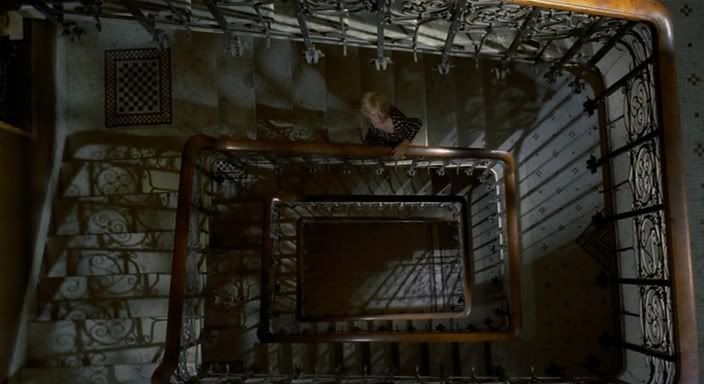
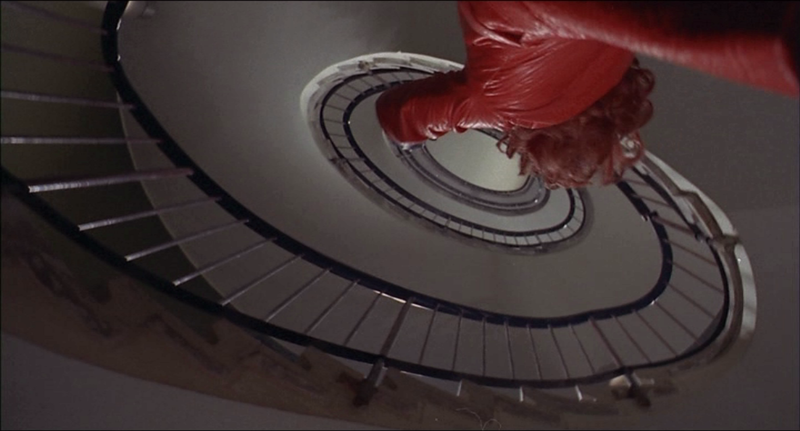
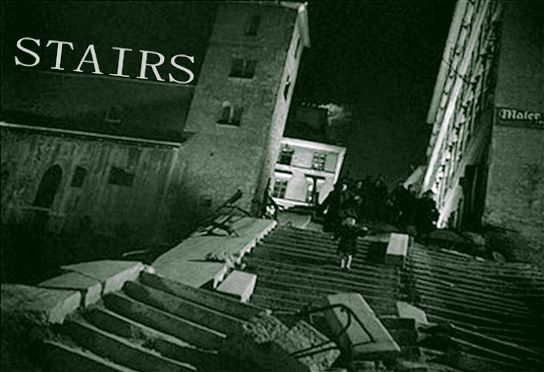
August Stairs


In descending order
Dracula (Tod Browning, 1931)
The Perfume of the Lady in Black (Francesco Barilli, 1974)
Capriccio all'Italiana (Mauro Bolognini, Mario Monicelli, Pier Paolo Pasolini, Steno, Pino Zac, Franco Rossi, 1968)
Célestine... bonne à tout faire (Jesús Franco, 1974)

Night Trains: BFI Mediatheque

photo: Ehsan Khoshbakht

اولين مقاله از بخش فعلاً متوقف شدۀ «قطارهاي شبانه» كه براي ماهنامه 24 دربارۀ فيلم ديدن در قرن بيست و يكم نوشتم. موضوع اين صفحه، گزارش‌ها و يادداشت‌هايي دربارۀ تدوام فرهنگ سينما در هزارۀ سوم و صور تازۀ آن است كه امكاناتِ بيشتري را در اختيار ما قرار داده. شرح مشاهدات از مكان‌ها و فضاها، فيلم ديدن‌ها و آدم‌هايي است كه كارشان فيلم ديدن و مشاهده كردن است. عنوان در واقع نقل قولي از فرانسوا تروفوست كه مي‌گويد «فيلم‌ها مثل قطارهايند، در شب.» اما از آن‌جا كه حالا مسافركش‌هاي خط هفت‌تير-بازار هم تروفو quote مي‌كنند به سختي بتوان آن را عنواني خلاقانه توصيف كرد.

مدياتِك: همۀ فيلم‌ها، همۀ مردم

راه‌هاي دسترسي سينمادوستان و محققان به فيلم‌ها تغييراتي باورنكردني كرده است كه بيشترش را مي‌توان در جهت خير و براي تسهيل رابطۀ ميان تماشاگر و دنياي سينما دانست. با آن‌كه عرضۀ فيلم‌ها به روي نوارهاي وي‌اچ‌اس و كمي بعد دي‌وي‌دي درهاي زيادي را براي بازبيني آثار سينمايي فراهم كرد، اما هم‌چنان عناوين ارئه شده محدود، و دسترسي به آن‌ها دشوار بود. درست است كه براي تماشاي فيلم‌هاي مشهور اورسن ولز هرگز مشكلي وجود نداشت، اما تصور كنيد براي ديدن داستان جاويد (1968)، فيلمي كه ولز براي تلويزيون فرانسه ساخت، تنها نسخۀ دي‌وي‌وي فيلم در ايتاليا منتشر شده بود، آن‌هم احتمالاً بدون زيرنويس انگليسي و تازه اگر كسي مي‌توانست نسخه‌اي از آن را تهيه كند بايد براي مشكل زبان، و در آن اوايل تفاوت بين region هاي مختلف دي‌وي‌وي‌ در دستگاه‌هاي مختلف مي‌كرد راه حلي پيدا مي‌كرد. حالا با اينترنت فيلم‌هاي بيشتري را مي‌توان ديد و وقت و پول كمتري را هدر داد، اما باز هم بسياري از فيلم‌ها در هيچ شكل رسمي و غيررسمي قابل رديابي نيستند. تصور كنيد كه شما به هر دليل براي نوشتن يك مقاله، يا از سر عشق به يك كارگردان يا يك موضوع خاص قصد ديدن مجموعه‌اي مشخص از فيلم‌ها را داريد. در اين حال چه بايد كرد؟

Thursday, 25 July 2013

Print the Fact!


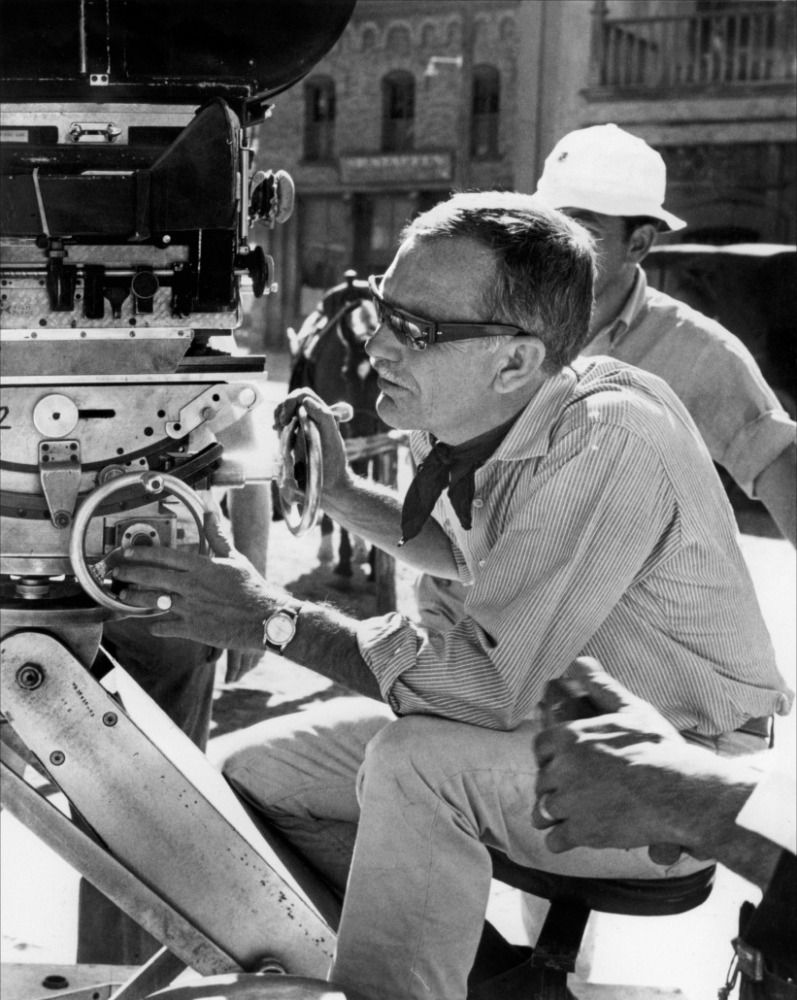
William Witney is a director whose films have given me hours of uncomplicated pleasure. I've always been a great defender of his directorship, especially in movie serials he made in collaboration with John English, among which Adventures of Captain Marvel, probably their most famous work, is a cinematic prelude to all Indiana Jones actioners and even late Fritz Lang adventure films. That's why I encouraged the editor of the first encyclopedia of film directors in Farsi/Persian to include Witney/English among his 1000 chosen names for the book. Convinced by my arguments about the importance of this duo in establishing high standards for low-budget action films, the editor asked me to write the entry myself which I immediately accepted.

William Witney [source: Vimeo]

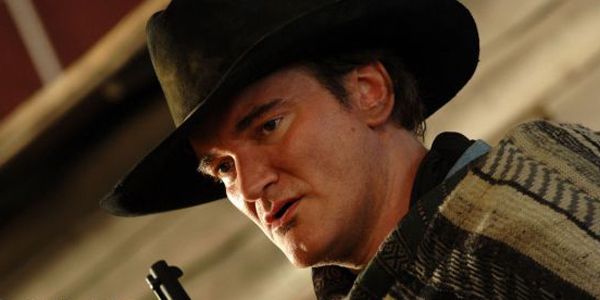
During the process of researching and writing I learned that Witney is a favorite of Quentin Tarantino and it didn't surprise me. On the contrary, I saw that the exploitative, fast-paced and one-dimensional films of two directors can correspond very well. But recently, after watching Django Unchained, which I loathed, I read Kent Jones' response to a Tarantino interview which showed to me the superstar director of Django has been carried away by his assessment of Witney as the most democratic Western maker, inasmuch as to bash John Ford as someone very un-Witney.

Monday, 8 July 2013

Wednesday, 3 July 2013

Miles Ahead

آسانسور، جاز و شبي زمستاني
يك آمريكايي (با يك ترومپت) در پاريس
احسان خوش‌بخت

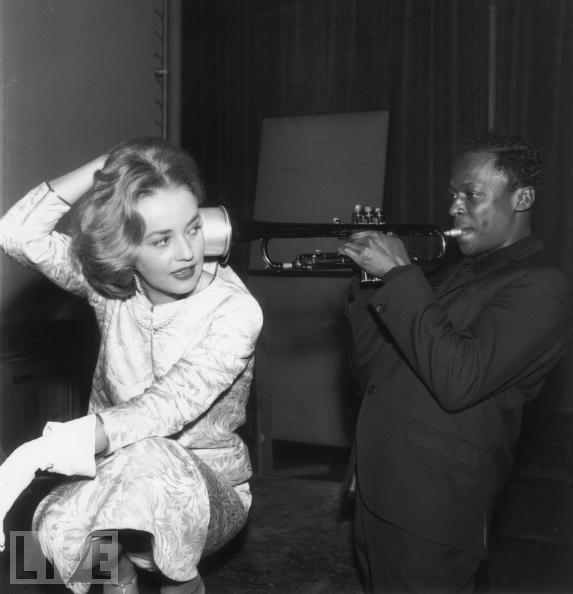
قبل از هرچيز، قبل از لويي مال و حتي قبل از ژن مورو، مايلز ديويس است كه آسانسور به سوي سكوي اعدام را راه مي‌اندازد، يا در واقع آن را، و زمان را، براي موريس رونه و ما متوقف مي‌كند. اولين نُت مايلز روي تاريكي پرده سينما شنيده مي‌شود و بعد نماي آيريسي مثل فيلم‌هاي صامت از چشم‌هاي ژان مورو به كلوزآپي از او در كيوسك تلفن باز مي‌شود. اما حتي بازترين نماي اين عنوان‌بندي هم نشاني از حصر و تنهايي دارد. دريغ از ديده شدنِ حتي گوشي تلفن؛ همه چيز در جهت خيره‌شدن و ستودن مورو سامان يافته. تكرارِ je t'aime كه از هر دو سو گفته مي‌شود مثل نت‌هاي مكمل موسيقي فيلم، سازي مضاعف، عمل مي‌كند. اين آغاز نسخۀ اسپانياييِ آسانسور است كه از نسخۀ اصلي زودتر موسيقي را آغاز مي‌كند (در نسخۀ اصلي، موسيقي بعد از باز شدن نما و كات به موريس رنه مي‌آيد). موسيقي ترومپت‌نواز، آهنگساز و رهبر اركستر سياه‌پوست آمريكايي، مايلز ديويس (1991-1926) ، براي اين فيلم اثري است رمزآميز، محزون، شاعرانه و تكرار نشده در تاريخِ سينما. 

Monday, 1 July 2013

The Pre-Truffaut Jean-Pierre Léaud


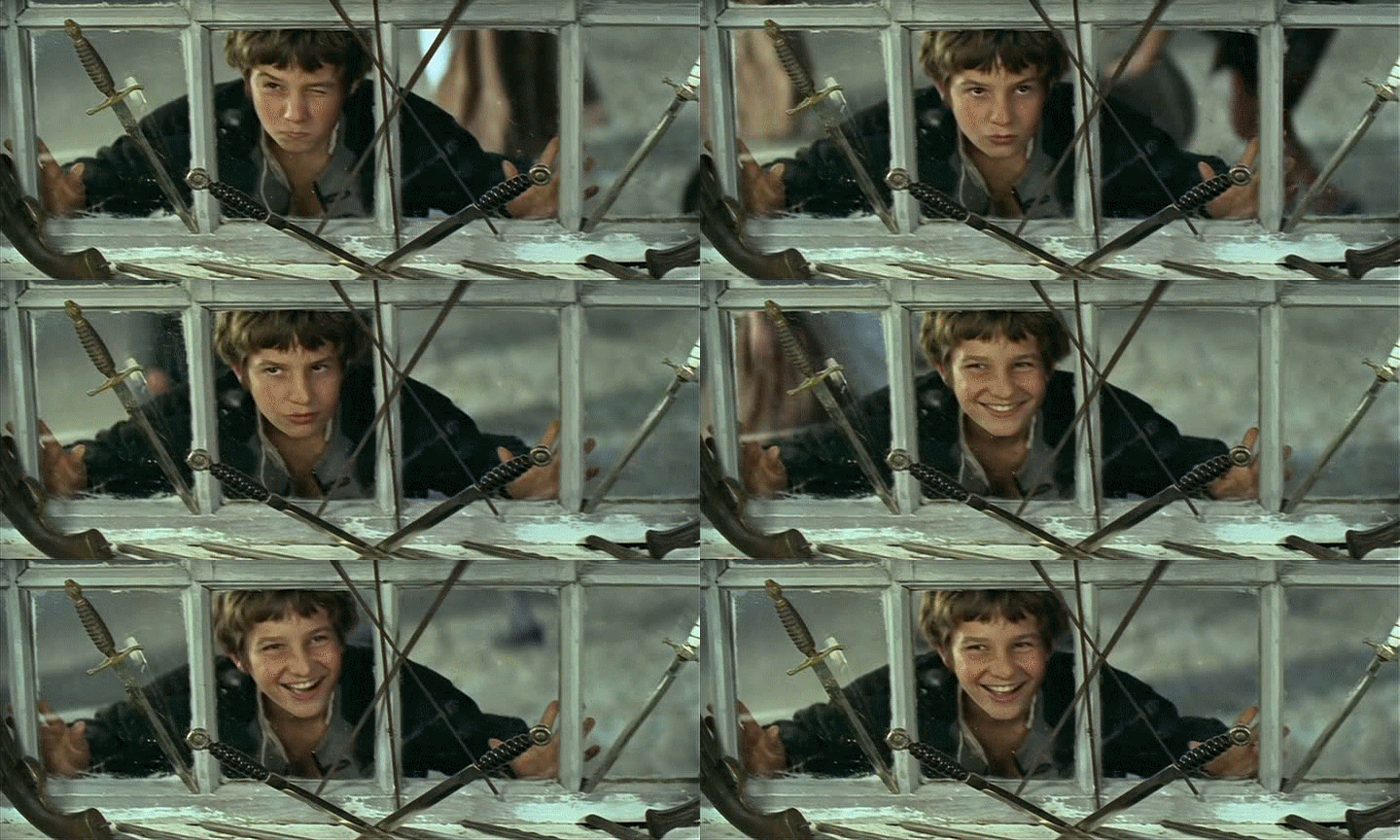
It is widely known and accepted that it was François Truffaut who discovered Jean-Pierre Léaud and gave him the role of the rebel kid in Les quatre cents coups [The 400 Blows]. However, this is far from being true, because just a year before Truffaut's groundbreaking and Cocteau-backed premiere at the Cannes Film Festival, Léaud has appeared in the French swashbuckler film La Tour prends garde! (Georges Lampin, 1958), starring Cocteau's lover, Jean Marais.

In this small but unforgettable role, Léaud's jaunty features, his involvement in adult's world and his hunger for an early maturity is well-manifested. Naturally this 14 year-old kid caught monsieur Truffaut's attention and the rest is history.

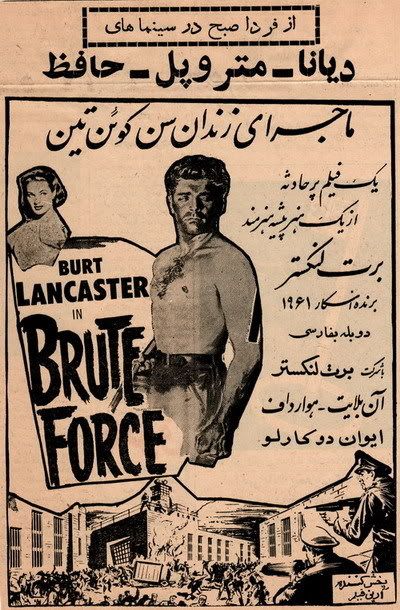
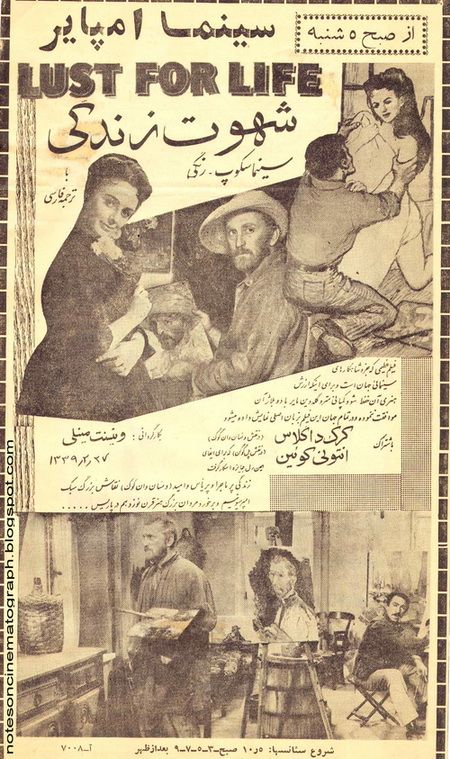
Film Ads in Iran#22: Richard Fleischer


Saturday, 29 June 2013

Cyrus’ Awakening (1974): A Documentary by Enrique Meneses


Today we have a guest blogger, writing about a documentary on Iran from the 1970s. Our guest is Dr. Lidia Merás and the subject, Cyrus’ Awakening [watch here], a film made by her former neighbor and the renowned journalist Enrique Meneses:


Old school journalist Enrique Meneses, the person behind the famous pictures of Che Guevara and Fidel Castro in Sierra Maestra (1958), visited Iran at least four times. The first visit was in 1958, after being expelled from Iraq following King Faisal II’s assassination. He returned in 1974 commissioned by Spanish Public television to make a reportage for the memorable series ‘Los reporteros’ [The reporters, TVE1].

Cyrus’ Awakening gives an in-sight on contemporary Iran in the aftermath of the oil-fueled ‘Green revolution’. Meneses interviewed Mohamed Reza Pahleví and the empress Farah Diba who were engaged in modernizing of the country (banning polygamy, granting women with the same rights than men and promoting contemporary art, among other contributions). After an historic introduction to Persia, the ancient name for Iran, the film outlines the country’s economy agenda and political alliances as well as some aspects on mass media, higher education, folklore, craftsmanship and religion…all in thirty minutes. Interestingly enough, Meneses explains some key ideas on Zoroastrian beliefs, whereas Shiite Islam is never mentioned.

Tuesday, 18 June 2013

Revisiting 5 Favorite Jazz Films with Comics


If cinema itself has been freewheeling in its use and abuse of other art forms to show what influential critic Raymond Durgnat calls “the impossible,” why, when it comes to talking about films, should we be limited to literary forms of expression?

That’s the question illustrator and co-author Naiel Ibarrola and I asked ourselves before launching into a new form of film criticism using the comic format to tell our alternative history of cinema, a project that’s occupied us since last year.

The great thing about comics, as a medium, is the endless freedom you have in playing with elements of time and space, building up scenes, putting people in one place talking to each other, where in reality they had been thousands of miles away and never spoken the same language. Hence the comic, like cinema, becomes the art of the impossible. The comic imitates the cinema. So far, we have used the illustrations to show how a Raoul Walsh composition is realized; how an imaginary conversation between Yasujiro Ozu and Fritz Lang takes place in a dingy French café; and to fulfill many other cinephilic fantasies through ideas, colors and drawings. Now we want to share some of them with you.


Monday, 10 June 2013

Survival of the Unfit


CINEPHILIA & REVOLUTION

A familiar practice in Persian film literature is that of the “cinematic memoir”—personal reminiscences of the film culture of pre-Revolutionary Iran.

Bolstered by a nostalgic tone, these autobiographical texts deal with the themes of childhood, adolescence and encounters with cinema in a Westernized Iran. The authors of such memoirs frequently depict Iran as a haven for cinephiles. Considering the number of films that were shown in pre-Revolutionary Iran and the diversity of their origins, this may be taken as an accurate characterization.

Saturday, 8 June 2013

Women Cinema and the Problem of Representation

فیلم‌سازی زنان و مسأله بازنمایی
يك بررسي تاريخي از جنبش سينماي زنان
گردآوري شده توسط كتايون يوسفي

یکی از اولین نمونه‌های توجه جنبش زنان به رسانه سینما کتابی بود که در 1970 منتشر شد با نام «پیوندِ خواهری محکم است». این کتاب 600 صفحه‌ای که مجموعه‌ای از اسناد تاریخی و مهمترین مقالات فعالان جنبش آزادی‌خواهی زنان را گرد آورده بود لیستی به انتهای خود ضمیمه داشت از فیلم‌هایی که به خاطر توجه به مشکلات زنان یا جامعۀ مشکل‌ساز برای زنان تماشایشان توصیه می‌شد. اين مجلد بهانه‌اي شد تا در طول پنج-شش سال بعد از انتشارش انواع فستیوال‌ها، کتاب‌ها و مجلات با موضوع سینما و زنان در بریتانیا و آمریکا یکی پس از دیگری ظاهر شوند: 1971، تاسیس گروه فیلم زنان لندن؛ 1972 برگزاری جشنواره فیلم زنان در نیویورک و دو ماه بعد بخشی مختص زنان در جشنواره فیلم ادینبُرو؛ همچنین تأسیس مجله آمریکاییِ «فیلم و زنان»، 1973 فستیوال فیلم زنان در تورنتو و واشنگتن و دورۀ «فیلم زنان» در انستیتوی فیلم بریتانیا. اولین کتاب در این حوزه در 1973 توسط مارجوری روزن با نام «ونوس پاپکورنی» منتشر شدکه تصویر ارائه شده از زنان در هالیوود را با آنچه در واقعیتِ جامعه می‌گذشت مقایسه کرد. به دنبال آن در 1974«از تکریم تا تجاوز» (مالی هسکل) و «زنان و مسئلۀ جنسیت آن‌ها در فیلمِ امروز» (جون ملن) آمدند. هر سه این کتاب‌ها در آمریکا و توسط نویسندگان آمریکایی نوشته شدند و رویکردی جامعه‌شناختی به این مسأله داشتند؛ به این معنی که سینما را آینه‌ای از یک جامعه در حال تغییر می‌دانستند؛ البته آینه‌ای پر از تحریف که به بهانه «واقع‌گریزی» تصویری دروغ از شرایط اجتماعی نشان می‌داد و زنان را تشویق می‌کرد که با تصاویری غلط همذات‌پنداری کنند.

Monday, 3 June 2013

Iran (1971), a film by Claude Lelouch


An awful piece of travelogue whose loose narrative slowly takes shape from various rip-offs from Iran-related (or unrelated) sources such as Agnes Varda, Parviz Kimiavi, Richard Brooks and most importantly Lelouch's fellow countryman, Albert Lamorisse and his Le Vent des amoureux.

Thursday, 23 May 2013

Cine-Lunar Notes


ماه و سينما

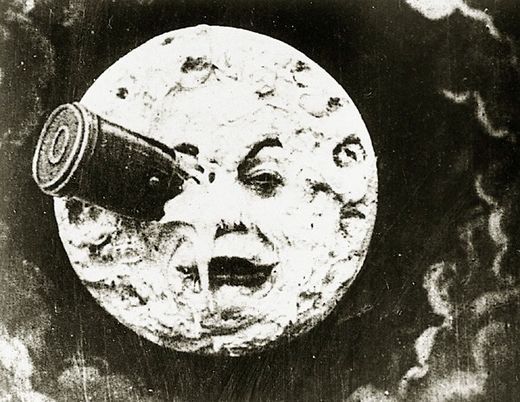
جدای از این که ماه موضوع هزاران شعر و آواز عاشقانه و غیر عاشقانه بوده، در سینما درآمدن قرص ماه باعث می شد تا لان چینی جونیِر نجیب و آرام به مرد گرگ‌نما بدل شود و از آن پیش‌تر لوييس بونيوئل در سگ آندلسی در یکی از مشهور ترین کات‌های تاریخ سینما، بریدن چشم را به نمایی از ماه که به زیر ابر می‌رود «برش» داد. پرواز ای تی با دوچرخه از مقابل ماه، در سال‌های 1980 و هم‌زمان با طرح «جنگ ستارگان» ریگان دل بچه‌ها را می بُرد. قبل از آن، در بيستم جولاي 1969، آپولو 11 اولي سفينه سرنشين‌داري بود كه بر روی خاک مردۀ آن کرۀ خوش سیما نشست، يه به روايت تئوريِ توطئه، تظاهر كرد كه روي ماه نشسته است.

Saturday, 18 May 2013

Tetro = Sword + Fish


يادداشتي درباره تتروي فرانسيس فورد كاپولا: اره + ماهي

تترو ملودرام خانوادگي فرانسيس فورد كاپولا اين تصور را به بيننده مي‌دهد كه گنگسترهاي پدرخوانده‌ خيلي بيش‌تر از آدم‌هاي عادي در حفظ بنيان‌هاي خانواده موفق بوده‌اند. به شكلي متناقض، هنوز خانواده پدرخوانده كامل‌ترين زندگي خانوادگي‌اي است كه كاپولا روي پرده تصوير كرده. در پدرخواندۀ دوم، كشتن برادر براي كاپولا اوج تراژدي كورلئونه‌ها بود و در مكالمه، تنهايي جين هكمنِ بي‌خانواده، سرآغازي بر پارانويا، وحشت و فروپاشي‌اش. خانوادۀ تترو، يا شبحي كه از آن در فيلم مي‌بينيم، جايي بين اين دو قرار دارد: نه در شكل سنتي‌اش وجود دارد و نه كاملاً محو شده است. اما بيان اين نكته به تنهايي چه اهميتي دارد، وقتي همه از آن خبر داريم و بيشترمان هم جايي در همين ميان گير افتاده‌ايم. به‌خصوص وقتي كاپولا براي فراتر رفتن از اين سطح تلاش چنداني نمي‌كند يا اين كه براي رسيدن به پاسخي در چهارچوب دنياي خودش به قواعد ملودرام‌هاي دهه 1940 متوسل مي‌شود.

Thursday, 9 May 2013

May Stairs

The Third Man
After a long interval, we will ascend and descend cinematic stairs again and will hide in the dark corners of the staircases which generate our dreams and nightmares. Another round of celebrating the most vital vertical element of the movies and their spaces. 


Monday, 6 May 2013

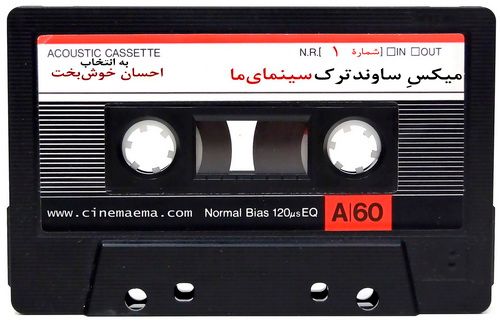
CinemaEma Soundtrack Mix#1

آن‌چه خواهيد شنيد بخش اول از پروژه‌اي تازه است براي سايت سينماي ما كه هدفش ارائه «ميكس»‌هاي مختلف از موسيقي فيلم در تاريخ سينماست. هدفم اين است كه تا جاي ممكن تنوع در ژانرهاي موسيقي و كشورها و سينماهايي كه از آن‌ها كارهايي را انتخاب مي‌كنم حفظ شود. به عنوان مثال در اين قسمت از فرانسه، آمريكا، چك و ايتاليا موسيقي فيلم‌هايي را خواهيد شنيد كه بين سال‌هاي 1937 تا 2012 ضبط شده‌اند و تنوعي دارند به گستردگي فاصلۀ بين موسيقي فانكي جي جي جانسن در خيابان 110 تا كارهاي كلاسيك برنارد هرمن.

Tuesday, 30 April 2013

Grémillon: Documents


The Edinburgh Film Festival has announced a tribute to French director Jean Grémillon whose films was the subject of a hugely revealing retrospective at Il Cinema Ritrovato (Bologna, 2012), and later a three DVD boxed-set of the major films was released by Criterion.

Last July, shortly after the retrospective in Bologna, I updated one of my older essays and posted on MUBI Notebook which can be accessed here. During the research process for that piece and other Grémillon articles (mostly written in Farsi/Persian) I collected some documents, mostly covering the reception of his films in English language countries.

Here, you have uploads of some of those documents and I hope in future I can add more scans and other assorted materials to this blog that might help any Grémillon researcher or aficionado. I hope the Edinburgh revival puts this exceptional, poetic filmmaker in the place he truly deserves and sheds light on one of the most neglected careers in history of French cinema that in some respects seems as accomplished as those of Renoir's and Duvivier's.

Saturday, 27 April 2013

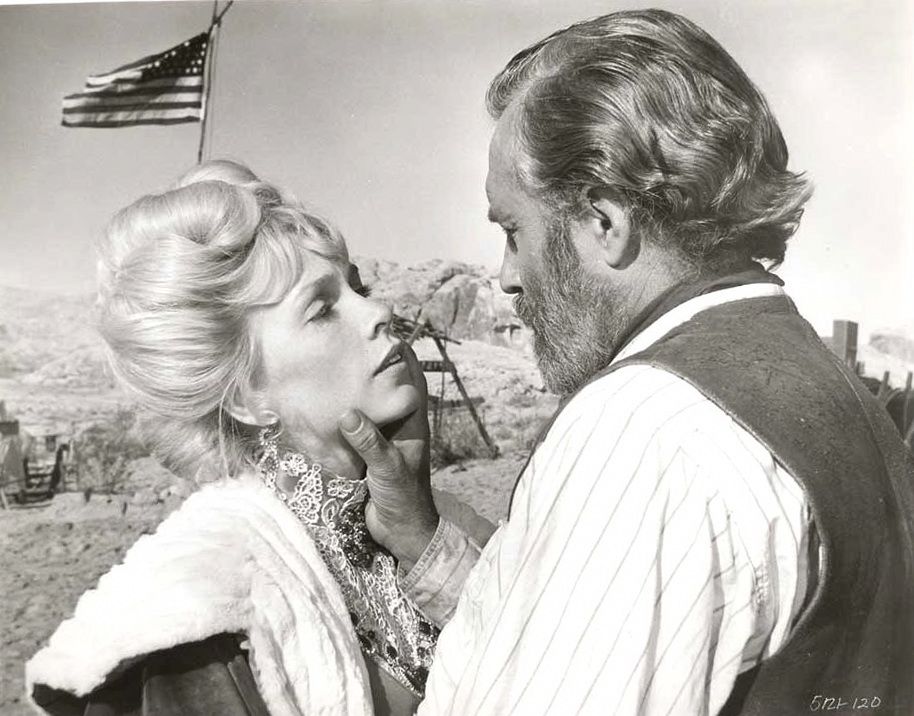
Stella Stevens on Sam Peckinpah

در شمارۀ 346 ماهنامۀ فيلم، ويژۀ بهار 1385، مجموعه‌اي كه براي ماه‌هاي مديد مشغول تدارك آن بودم و دومين مجموعه‌ام دربارۀ يك فيلم‌ساز (بعد از ژاك تاتي) منتشر شد و ركورد حجم پرونده‌هاي ماهنامۀ فيلم را با اختصاص يافتن پنجاه صفحه به آن شكست: سام پكين‌پا!
به جز نوشتن دربارۀ تك‌تك فيلم‌ها و همكاران پكين‌پا و زندگي او و آثارش و ترجمه سه يا چهار مقاله (كه شامل آثار خوبي از جيمز كيتسز و پالين كيل مي‌شد)، مقاله انتخابي من نقدي تحليلي بر اولين فيلم پكين‌پا همراهان مرگ‌بار بود.
بقيه مطالب را نويسندگان ماهنامۀ فيلم نوشتند كه من دخالتي در انتخاب آن‌ها نداشتم و به جز مقالۀ نيما حسني‌نسب دربارۀ فيلم گريز كه حدود دو سال قبل از آن پرونده به خواهش من براي يك برنامۀ مرور بر آثار پكين‌پا در دانشگاه فردوسي مشهد نوشته شده بود، باقي مطالب (با نوشته‌هايي از ايرج كريمي، هوشنگ گلمكاني، حميدرضا صدر، حسين معززي‌نيا و ديگران) توسط هوشنگ گلمكاني گردآوري شد.
هيچ شخص ديگري به جز من و گلمكاني در تداركات چند ماهه آن مجموعه نقشي نداشت. اما مانند فيلم‌هاي پكين‌پا اجساد قربانيانِ يك كشتار هميشه به دست لاشخورهايي مي‌افتند كه بعد از فرو نشستن غبار به مسلخ مي‌رسند و در اين دنياي خارج از قاعده مرزي بين توهم و واقعيت براي اين هميشه ديررسيدگان وجود ندارد.
تا به حال دو مدرك از اين مجموعه در اين جا منتشر شده است (يادداشتي دربارۀ اين گروه خشن و مقاله‌اي از پالين كيل) و به مرور بخش‌هاي ديگري از آن را منتشر مي‌كنم كه با هم حجمي برابر با يك كتاب دارد.


گفت‌وگو با استلا استيونس دربارۀ سام پكين‌پا

هر ده سال يك بار مجلة سايت‌اند‌ساند از فيلمسازها و منتقدان دربارة بهترين فيلم‌هاي عمرشان نظرسنجي مي‌كند. در 1992 دو نفر، من [توني ماكلين] و يك منتقد ژاپني، حماسة كيبل هوگ را در فهرست‌مان جاي داده بوديم. اما ظاهراً شما در زمان ساخت فيلم با سام پكين‌پا مشكلاتي داشتيد؟

Houshang Kavousi by Ahmad Amini

عكس از ميترا محاسني

در شمارۀ اردیبهشتِ ماهنامۀ فیلم، احمدامینی مقاله‌ای کوتاه و فراموش‌نشدنی نوشته دربارۀ دکتر امیرهوشنگ کاوُسی، که در دورۀ دانشجویی استاد او بوده است. دو سه قسمت از مقاله به طور مشخص تأثیر عجیبی برمن گذاشت و به احترام عمیقی که برای هوشنگ کاوُسی قائل بودم بیش از پیش افزود:

«پاییز سال ۱۳۵۱ در نخستین جلسه درس تاریخ سینمای رشته تولید مدرسه عالی تلویزیون و سینما، پس از سال‌ها آشنایی با نوشته‌های دکتر کاوسی، بالاخره او را دیدیم. سرحال و شیک و خوش روحیه و جدی و متین و آقا. با شور و علاقه خاصی درس می‌داد. حضور در کلاس، جزوه‌نویسی و توجه دقیق به جزییاتی که از فیلم‌های بزرگ تاریخ سینما بیان می‌کرد، اصلی‌ترین خواسته‌اش از دانشجویان بود. چنان از گریفیث و مورنا و مکس لندر و اشترو‌هایم و... با احترام یاد می‌کرد که گویی این‌ها خدایان دنیایش هستند. درس‌هایش را با خاطراتی شخصی درهم می‌آمیخت و این گونه بود که عشق همراه با خضوع و خشوع در معبد سینما را به ما می‌آموخت. از برخورد‌هایش با بزرگان سینما تعریف می‌کرد و دانش و اعتماد به نفس‌اش این همه را برایمان باورپذیر می‌کرد.»

Saturday, 20 April 2013

A Guide to Lloyd Bacon


"I see that the public gets action. Some others may use motion pictures as a vehicle for a psychological study. I haven't that patience." -- Lloyd Bacon

One of classical Hollywood's contract director with a solid craftsmanship and great sense of economic in execution, Lloyd Bacon, was a prolific man of action, comedy and other fast-paced Warner dramas for nearly four decades. He virtually made 100 films that regardless of their varied qualities always convey that swinging pace associated with Warner' "tough" pictures and beyond. If one carefully sieve a career of 100 films, she or he will definitely come out with five or more films for keeps. As in the Bacon's enduring filmography I found 42nd Street, Footlight ParadeMarked Woman, Brother Orchid, San QuentinMoby Dick and the Invisible Stripes as examples of his great sense of timing, his eye for composition and flawless entertainment.

Lloyd Bacon's name usually evokes the memory of pre-code Hollywood and early talkies, as his best films were made during that era. However he is also one of the least exploitative figures of the pre-code films that might be mistaken for mediocrity. Aside from being one the best comedy/musical and action specialists on Warner lot, he was known for his good ability to guide actors, as some of the best films of Pat O’Brien, James Cagney and Ann Sheridan were tidily directed by Bacon.

Wednesday, 17 April 2013

John Ford in 12 Frames


فورد در دوازده نما: صف طويل خاكستري

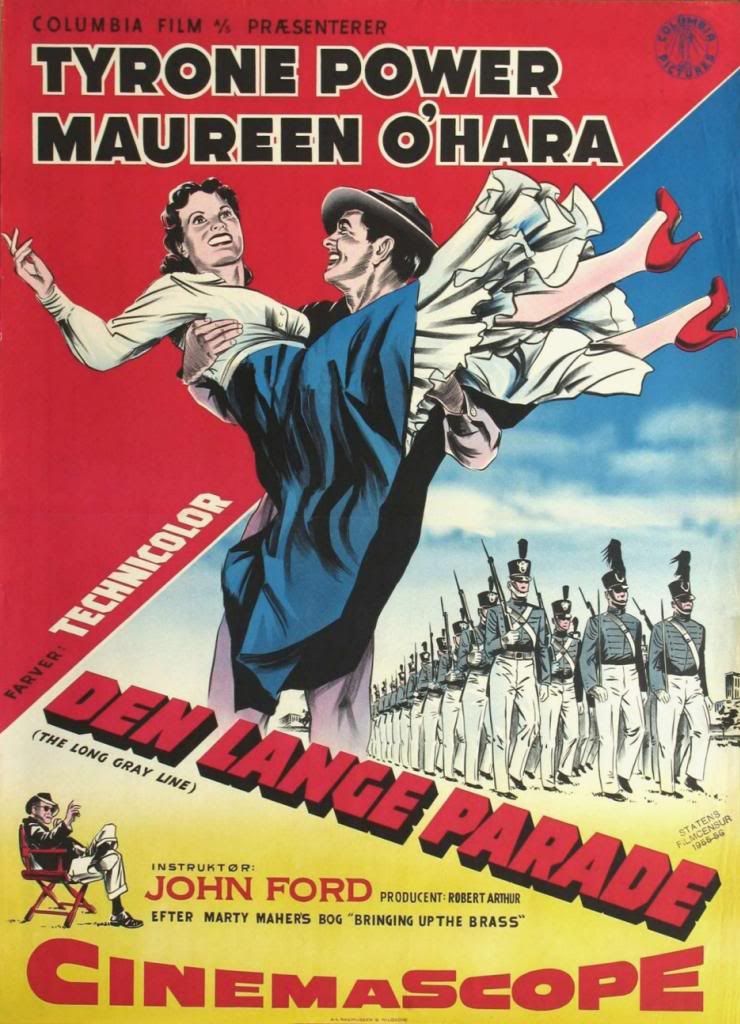
The Long Gray Line
کارگردان: جان فورد؛ فیلم‌نامه: ادوارد هوپ؛ فیلم‌بردار: چارلز لاتون جونیور (و چارلز لنگ)؛ طراحان صحنه: رابرت پیترسون، فرانک تاتل. 1955، تکنی‌کالر، سینمااسکوپ ( نسبت 2.55 به 1)، 138 دقیقه، استودیوی کلمبیا. متوسط طول هر نما: 13 ثانیه. بازيگران: تايرون پاور (مارتين ماهر)، مورين اوهارا (مري اودانل)، دانالد كريسپ (پدر مارتين)، وارد باند (هرمان كوهلر).
***
صفِ طویلِ خاکستری اولين فيلم اسكوپ جان فورد و داستان نيم قرن از زندگي مارتين ماهر، مهاجر ايرلندي، در پادگان آموزشي «وست پوينت» است و ماجراي زندگي او را از ورودش به «وست پوينت» ، به ‌عنوان ظرف‌شور، تا دوران افسري، ازدواج، مربي‌گري و در نهايت جنگ جهاني دوم نشان مي‌دهد. اين فيلم كه يكي از تلخ‌ترين آثار فورد خوانده شده شايد تنها فيلم نظاميِ غير وسترنِ او باشد كه تضاد بين زندگي سربازان با فرصت‌طلبي سياست‌مداران را با صراحت كم‌سابقه و زباني گزنده روايت مي‌كند. در آن، تمام اجزاء واضح و حتي بديهي به نظر مي‌رسند (ارتش، خانواده و مسئوليت فردي) اما در واقع يكي از معدود فيلم‌هاي فورد است كه ريشه‌ها را زير سؤال مي‌برد؛ مرثيه‌اي است بر «روياي آمريكاييِ» يك ايرلنديِ كاتوليك؛ مرثيه‌اي است كه فورد براي خودش و ديگراني مثل خودش سروده است.

Thursday, 11 April 2013

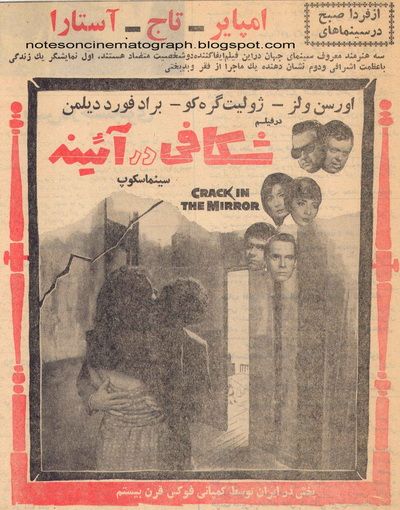
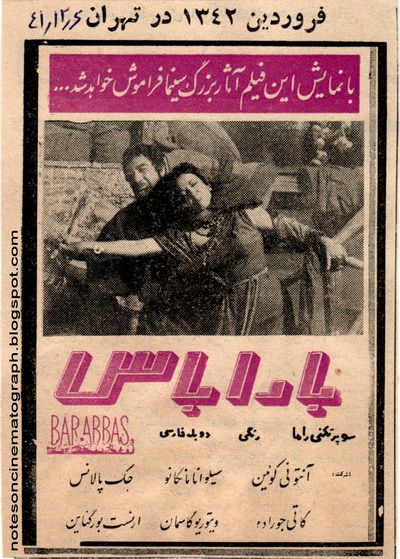
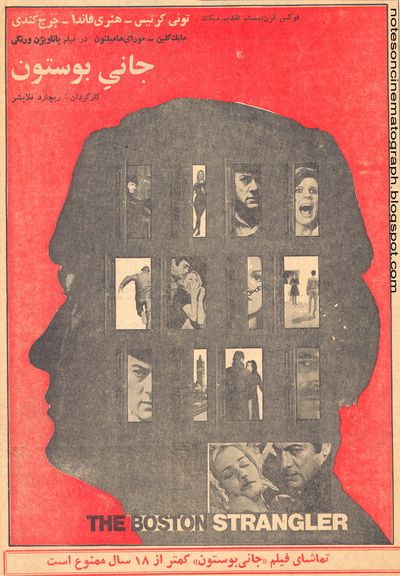
Film Ads In Iran#31: Elvis

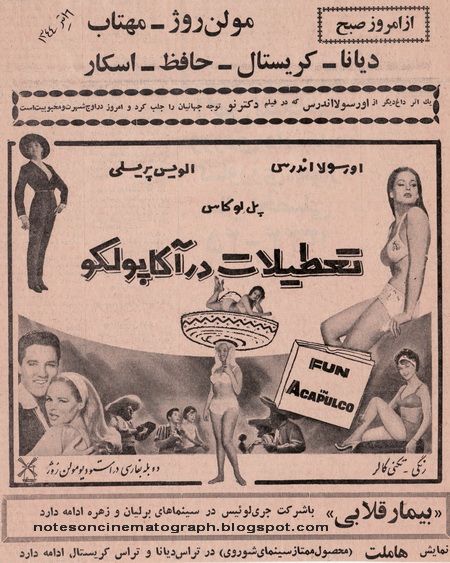
Fun in Acapulco

I was born in a family of six with two sisters close to my age who naturally became my playmates and fellow expeditionary. We discovered many things together and among the things we innocently loved there was Elvis. We had few Elvis films on VHS, but our favorite was a long anthology film of his Hollywood career, assembled and edited by Andrew Salt. Yes, the place was Islamic Republic of Iran and the time, 1990s when the country was slowly recovering from the devastation of a war.

Elvis Presley films were shown in Persian-dubbed version in the pre-revolutionary Iran, but there is no indication that he was as popular in Iran as other places in the world. The above picture and two more below are scans of Elvis film ads in Iran from that period.

To conceive what a weird and sometimes confusing melting pot was the film culture in Iran, I draw your attention to two other films promoted on the first ad (above), one for screening of Jerry Lewis' Leave It Up (who was bigger than Elvis or anyone else in Iran) and the other, quite surrealistically, promoting the Russian version of Hamlet by Grigory Kozinetsev which is indeed a masterpiece.

It can be interpreted as a sign of apathy toward the rock 'n' roll star, as the aforementioned ad introduces Fun In Acapulco as the Ursula Andress' new film ("who caught the world's attention by Dr. No," the ad reads) rather than leaning on Elvis as the major box-office drive of the film.

Monday, 8 April 2013

In Memoriam: Les Blank (1935-2013)


Les Blank, a fascinating individual and director of some remarkably personal documentaries passed away yesterday. I hardly have anything to say about him, at least worthy of his long and adventurous career, since I knew his ouvre only sporadically. However, I hope the stream of obituaries following his death would serve the purpose of shedding light on the career of  the man "whose sly, sensuous and lyrical documentaries about regional music and a host of other idiosyncratic subjects, including Mardi Gras, gaptoothed women, garlic and the filmmaker Werner Herzog, were widely admired by critics and other filmmakers if not widely known by moviegoers."

Here, I'll draw your attention to one of Blank's very early films, which happens to be one of the best jazz films produced under the umbrella of independent, ciné-vérité movement of the 1960s. Les Blank made many films about music, including The Blues Accordin' to Lightnin' Hopkins (1968), of course if one doesn't mention incorporating jazz and blues music in his non-musical films. During five tireless decades of film-making, the portrait of Dizzy Gillespie stands out as probably one of Blank's most accomplished cinematographic discovery of music and musical ideas.

Saturday, 6 April 2013

Cobwebs


Image 1 (from the top) from Les aventures de baron de Munchhausen (Georges Méliès, 1911). Image 2 from The Great Gabbo (James Cruze, 1929). Image 3 from The Diabolical Dr. Z (Jesús Franco, 1966) and image 4 of Mari-Cookie and the Killer Tarantula (Franco, 1998).

Friday, 5 April 2013

Scorsese by Ebert (RIP Roger Ebert)


راجر ايبرت، مشهورترين و بانفوذترين منتقد انگليسي‌زبان در تاريخ سينما، امروز درگذشت. آخرين نقد او را هفتۀ پيش خواندم بر آرگو، كه نمونه‌اي قابل پيش‌بيني بود از مشكل عمدۀ من با او و نويسندگاني (عموماً آمريكايي) هم‌چون او: فقدان هرگونه تعهدي وراي سرگرمي ، تكان خوردن احساسي و تقليل سينما به هنر بالا و پايين بردن انگشت شصت.
با اين وجود هميشه درس‌هايي براي يادگرفتن از ايبرت وجود داشت، به خصوص اگر نوشتن براي روزنامه‌ و يا مجله‌هاي با گرايش‌هاي عامه‌پسند كارتان باشد. مثلاً طوري كه ايبرت داستان فيلم را بازگو مي‌كرد، هم داستان تعريف كردن بود (كه از نظر من هميشه اتلاف كاغذ بوده) و هم تحليل (كه ايبرت آن را با ظرافتي در خور انجام مي‌داد). او همچنين فيلم‌نامه‌نويس يكي از شوكه‌كننده‌ترين فيلم‌هايي است كه در سال‌هاي جدي گرفتن علاقه‌ام به سينما دادم، فيلمي با نام آن‌سوي درۀ عروسك‌ها، ساختۀ سلطان فيلم‌هاي «لُختي» مستقل آمريكايي، راس ماير. فيلم‌نامه‌اي «كيچ»، هوشمندانه، بي‌پروا و مضحك كه مقدمه‌اي بود براي افسارگسيختگي هاليوود در نمايش سكس.

در نهايت مي‌توان به كتاب‌هاي ايبرت اشاره كرد كه يكي از آن‌ها، اسكورسيزي به روايت ايبرت، در ايران چاپ شده و من مقدمه‌اي براي انتشار آن در زمستان 1389 نوشتم كه قبلاً در اين وبلاگ منتشر شده و به مناسبت مرگ ايبرت دوباره آن را تكرار مي‌كنم: