Monday, 25 February 2013

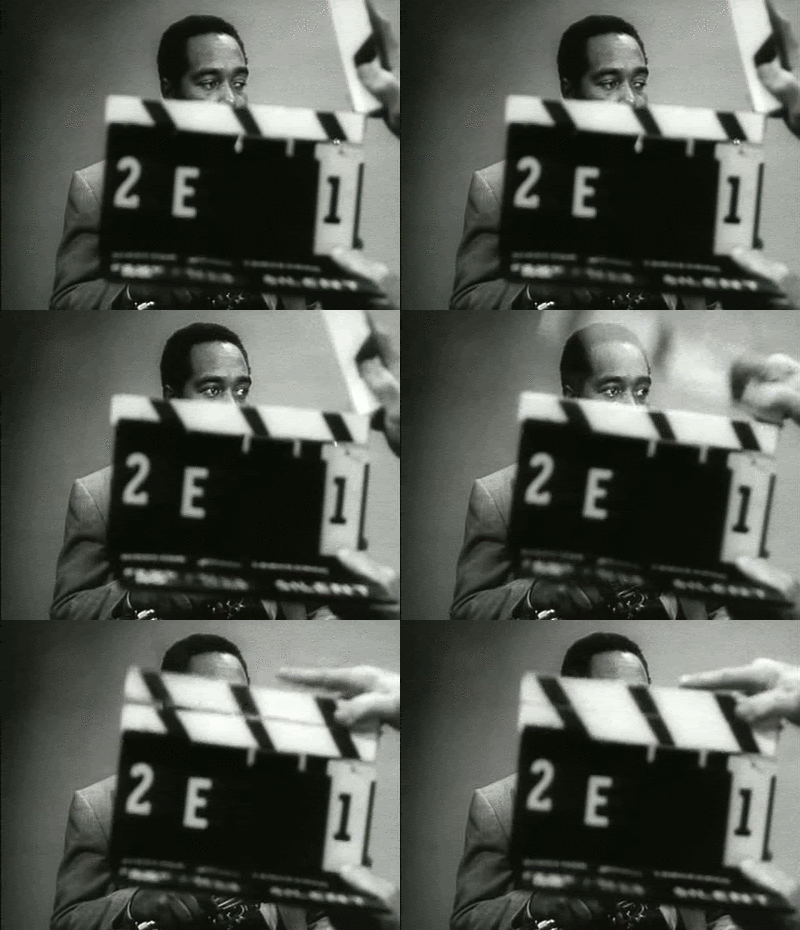
Abbas Kiarostami, Up Close


After forty years of making films and collecting a wide range of awards and golden statuettes, Abbas Kiarostami retains a unique innocence alongside his earned artistic sophistication. He reminds us of characteristics endangered in the contemporary Iranian cinematic landscape, where censorship prevents filmmakers from speaking their minds and government-approved, state-supported cinema produces the major box-office hits.

Here, Kiarostami—interviewed by Iranian film critic (and my teenage years’ film-watching companion) Nima Hassani-Nasab in Farsi in 2012 and translated by me as Kiarostami’s work gets a close-up with a Film Society of Lincoln Center retrospective and the opening of his latest, Like Someone in Love, in U.S. theaters next week—shows a face that cannot be easily seen in his English-language interviews. Heavily quoting Persian poets (though the resonances are, sadly, lost in the translation), and trusting the interviewer, the filmmaker takes off his dark glasses to reveal the eyes of a vulnerable, melancholic man who sees his life and the cinema itself not worthy of all the suffering he has been through.

The conversation covers many details of Kiarostami’s life and career, but mostly focuses on Shirin which is probably the only film in history of cinema in which all the female stars of one country have both appeared and have cried. The interview was conducted in Kiarostami’s north Tehran house, with tables loaded with printed papers of the Iranian maestro’s latest book: Night in the Classic & Modern Persian Poetry. The last two volumes of that controversial project were about the water and the fire in Persian poetry. Kiarostami’s own poetic art still lies in the sublime encounter of the mighty elements of this universe with tiny, funny details of ordinary life. And it’s as cinematically as fresh as the invention the wheel.

Thursday, 21 February 2013

Phallic Domination in the 70s Hollywood


سلطه در هالیوودِ دهه هفتاد: در جستجوی آقای گودبار (1977)
زنانگي و مكافات
ان کاپلان
ترجمۀ كتايون يوسفي

همان‌طور که مالی هسکل و دیگران به درستی به آن اشاره کرده‌اند، از اواسط دهۀ 1960 و هم‌زمان با آغاز جنبش زنان دو دسته فیلم در سینمای تجاری آمریکا ظهور کرده و غالب شد. گروه اول برای طفره رفتن از مسائل مرتبط با تفاوت جنسیتی، زنان را کاملاً از فیلم حذف کرد (فیلم‌هایی که به buddy-buddy يا رفيقِ [مرد] جون‌جوني شناخته می‌شوند) و گروه دوم، وقتی که دیگر اجتناب از این مشکلات ممکن نبود، خشونت و تجاوز به زنان را نشان داد. زمینه ظهور این دسته دوم را فیلمی چید که با آنکه در زمان نمايشش، در 1960، متهم به نمایش غیر ضروریِ سادیسم شد، اکنون بسیار جلوتر از زمان خود تلقی می‌شود: تامِ چشم‌چران اثر مایکل پاول. این فیلم شاید بیش‌تر از هر فیلم دیگری تلاش نیروی مردسالاری برای خنثی کردن تهدیدِ وارد از جانب زن را می‌نمایاند؛ تلاشی که یا به شکل کنترل او توسط نیروی gaze بود (نمونه: كاميل اثر جرج کیوکر)؛ یا بت ساختن از او (نمونه: ونوس موطلايي اثر جوزف فون اشترنبرگ) و یا قتل او (نمونه: بانويي از شانگهاي اثر اورسن ولز).

Thursday, 14 February 2013

Jean-Pierre Melville: An American in Paris [Book Review]

يادداشتي بر كتاب «ژان پير ملويل: يك آمريكايي در پاريس» نوشتۀ ژينت ونساندو

نهنگِ سفيدِ ملويل

در 26 نوامبر 1987 خياباني در مركز شهر كوچك بلفور در شرق فرانسه داشت به نام ژان پير ملويل نام‌گذاري مي‌شد، شهري كه ملويل ريشه‌هايي خانوادگي در آن داشت، گرچه تمام عمرش به‌عنوان يك پاريسي از او ياد مي‌شد. شهردار كه مشغول پرده‌برداري از تابلوي تازه خيابان بود، در سخنراني‌اش، كه مي‌تواند درسي براي تمام شهرداران باشد، به شوخي گفت كه درستش اين بود ما خيابان خلوت و محزوني را در حومۀ شهر به ياد ملويل نام‌گذاري مي‌كرديم. حتي شهردارِ بلفور هم مي‌دانست كه سينماي ملويل از نظر مكان و فضا دقيقاً مترادف با چيست.
با وجود شهرت فراگير ملويل كه با توزيع گستردۀ دي‌وي‌دي فيلم‌هاي او و نمايش دوبارۀ چند فيلمش در اين سال‌ها به بالاترين حد خود از اوايل دهۀ 1970 رسيده، براي خواندن كتابي تحيلي بر آثار او (به زبان انگليسي) بايد سال‌هاي زيادي منتظر مي‌مانديم. خانم ژینت ونساندو، محقق سینمایی فرانسوی-بریتانیایی، نويسندۀ اين كتاب تازه و استثنايي، ژان پير ملويل: يك آمريكايي در پاريس، است.

Tuesday, 5 February 2013

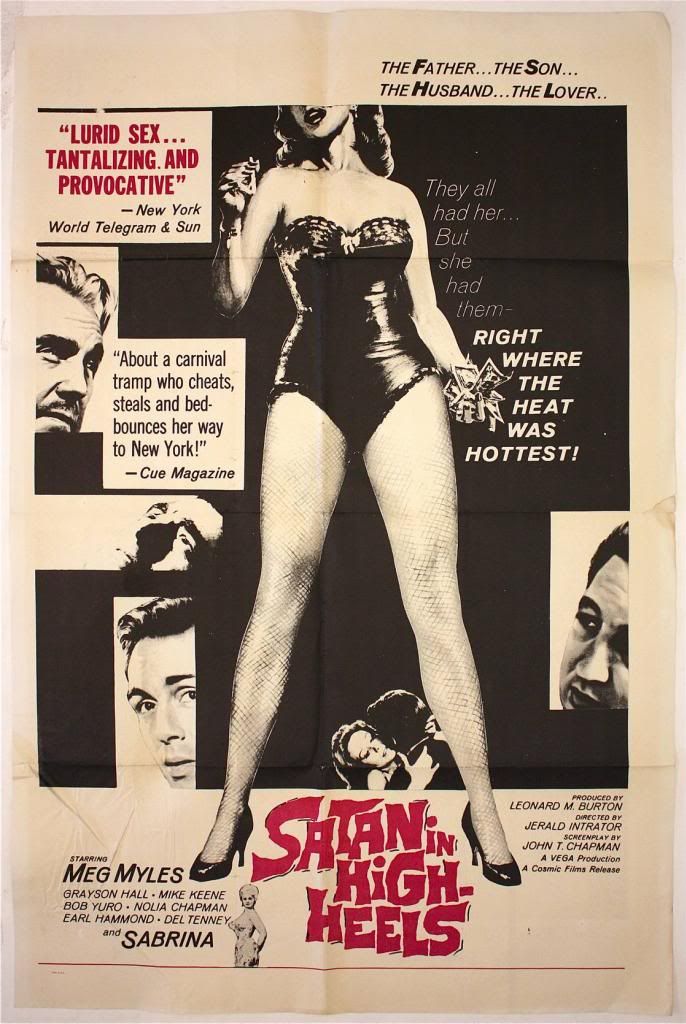
Jazz In High Heels


To avoid any misunderstanding, this post is going to be about film music, but I would like to start the story from an "improper" point which is charged with some risque themes - this point is a shot.

The shot below, from the opening credit of Satan In High Heels (1962) takes us to one of the hilarious moments of the fetishist cinema, of course, if one doesn't consider the whole film-loving affair as a fetishist obsession. What this credit-shot suggests, no matter how ridiculous, is truly justified in the film which follows: In Satan In High Heels the role of furs, leathers and lingerie which suppose to cover the voluptuous strip dancers is more significant than the work of actors or the direction. 

Monday, 4 February 2013

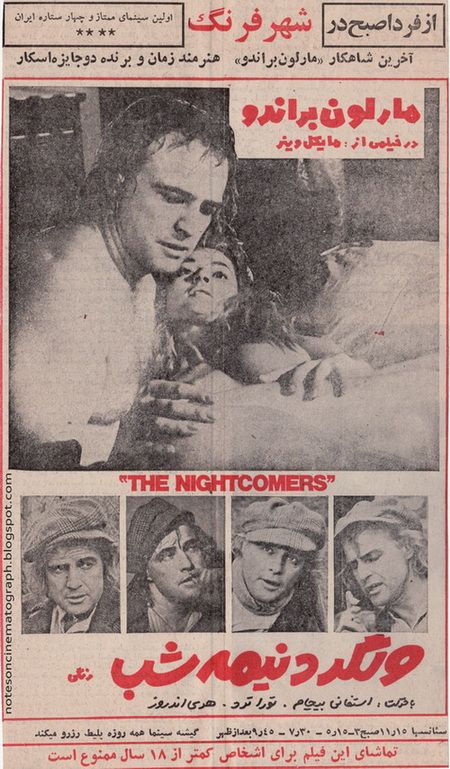
Film Ads In Iran#29: Nightcomers


The Nightcomers (1971) starring Marlon Brando and directed by Michael Winner, the English director who passed away last month, shown at the Tehran's uptown film theater Shahre Farang. Before the revolution (also after that), there was no organization for rating and certifying films in Iran (sure there was censor, but once films passed the censor, theaters had no obligation to follow any age restriction), but posters were using fake age limits as a sort of publicity. As this ad shows, the publicity campaign has used "no under-18 is allowed into the theater"  to arouse curiosity and draw more audience to the film, especially those of under eighteen! [click on the images to enlarge]

Friday, 1 February 2013

Notes on Stop For Bud


In 1963, Jørgen Leth, a Danish filmmaker (who was also a poet, art critic, controversialist and Tour de France commentator  made a short, poetic and visually stunning film about the jazz pianist Bud Powell known as Stop For Bud.

The film, without showing much of Bud's piano playing, succeeds in achieving something that is hugely missing in jazz films of today: finding the right images (to the extent that filmmaker's visual vocabulary allows) to accompany the music, a constant translation from music to cinema and vice versa.

Tuesday, 29 January 2013

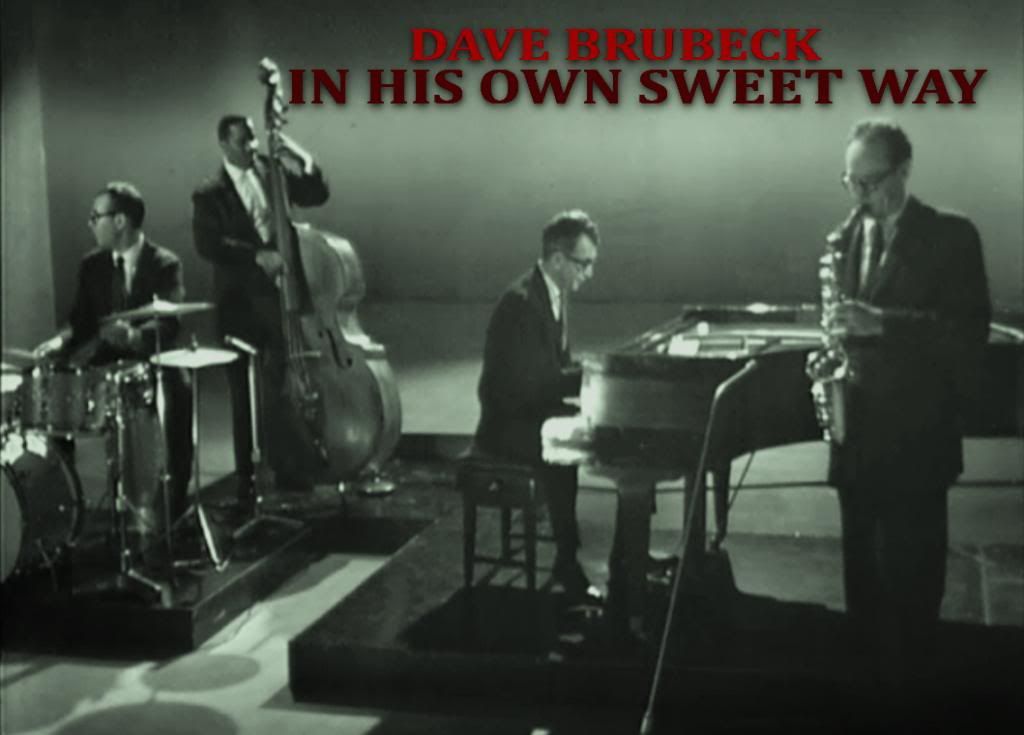
Dave Brubeck: In His Own Sweet Way


Finally I managed to catch up with the long-awaited Dave Brubeck documentary, In His Own Sweet Way, now on BBC iPlayer (online streaming in the UK). My curiosity wasn't only about Brubeck, whose music has had a part in my life, but also I was eager to see director Bruce Ricker's last film, who made the landmark jazz film The Last of the Blue Devils (1979) about the legendary travelling band of the 1930s with Count Basie, Big Joe Turner and Jo Jones.

Bruce Ricker died in May 2011, two months after Brubeck’s great drummer and collaborator Joe Morello left us. Brubeck passed away recently, after a prosperous and amazingly productive and inspiring life. The only living member of the classic quartet is Eugene Wright whose powerful and subtle rhythmic support is the most overlooked, whenever the subject is Brubeck’s music...

Sunday, 27 January 2013

Lang to King; Fellini to Fosse


هنر اروپايي، سرگرمي آمريكايي، از لانگ به كينگ، از فليني به فاسي

مادامي كه سينماي آمريكا مدنظر باشد تاريخ دوبار تكرار مي‌شود، يك بار تراژدي و يك بار موزيكال. نمونۀ اول: چرخ و فلك [Carousel] (1956)، بازسازيِ ليليوم (از فيلم‌هاي عجيب و پيچيدۀ فريتس لانگ؛ 1934) كه توسط هنري كينگ در استوديوي فاكس و در قاب سينمااسكوپ انجام شده. هر دوي آن‌ها از روي نمايش‌نامه ليليوم (1909) نوشته فِرِنك مولنار ساخته شده‌اند و شايد نتوان فيلم كينگ را دقيقاً بازسازيِ فيلمي ديگر خواند، اما كافي است سكانس اول و ميزانسن نمايش چرخ و فلك و متصدي عياش و آسمان جل آن بيلي بيگلو، و حتي لباسي كه بر تن كرده، را ببينيد تا متوجه شويد اين لانگ است كه با تصويرپردازي‌هاي خيره‌كننده‌اش دربارۀ دنياي آدمي حيوان‌صفت، اما بي‌گناه، كينگ را تحت تأثير قرار داده است. فيلم داستان لمپن بيكاره‌اي است كه با دختري معصوم ازدواج و زندگي مشتركي توأم با بي‌توجهي و آزار را شروع مي‌كند. مرد در طي يك سرقت ناموفق كشته مي‌شود، اما بعد از مرگ و در آن دنيا، براي جبران اشتباهاتش و دل‌جويي از دخترش كه بعد از مرگ او به دنيا آمده، به او فقط يك روز فرصت داده مي‌شود تا به زمين برگردد.

Thursday, 17 January 2013

It Happened in Tehran#1

Third Tehran International Film Festival, 1974
From right to left: Rouben Mamoulian, Manouchehr Anvar, Kamran Shirdel, Gillo Pontecorvo, Gabriel Figueroa, Alain Robbe-Grillet, Miklós Jancsó. (two on the far left, unidentified)

Monday, 7 January 2013

Notebook's Fantasy Double Features of 2012

Favorite Non-Fiction Films of 2012


1
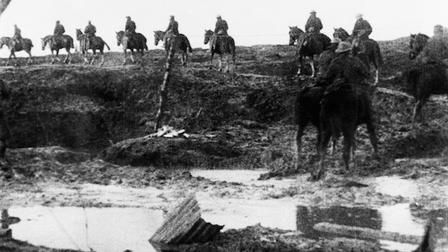
The Battle of the Ancre and the Advance of the Tanks (Geoffrey H. Malins, 1917)

The official record of the British army’s winter campaign on the Somme in 1916 sees the light of the screen in great restored print after 95 years. The images are so powerful, and the humanity of cameramen, in depicting foe and enemy alike, so moving that after this, the long row of soldiers of the Great War parading to the fields of mud and death in anything between All Quiet on the Western Front to Path of Glory look pale. There is no quiet and glory in this masterpiece of early documentary film.


2
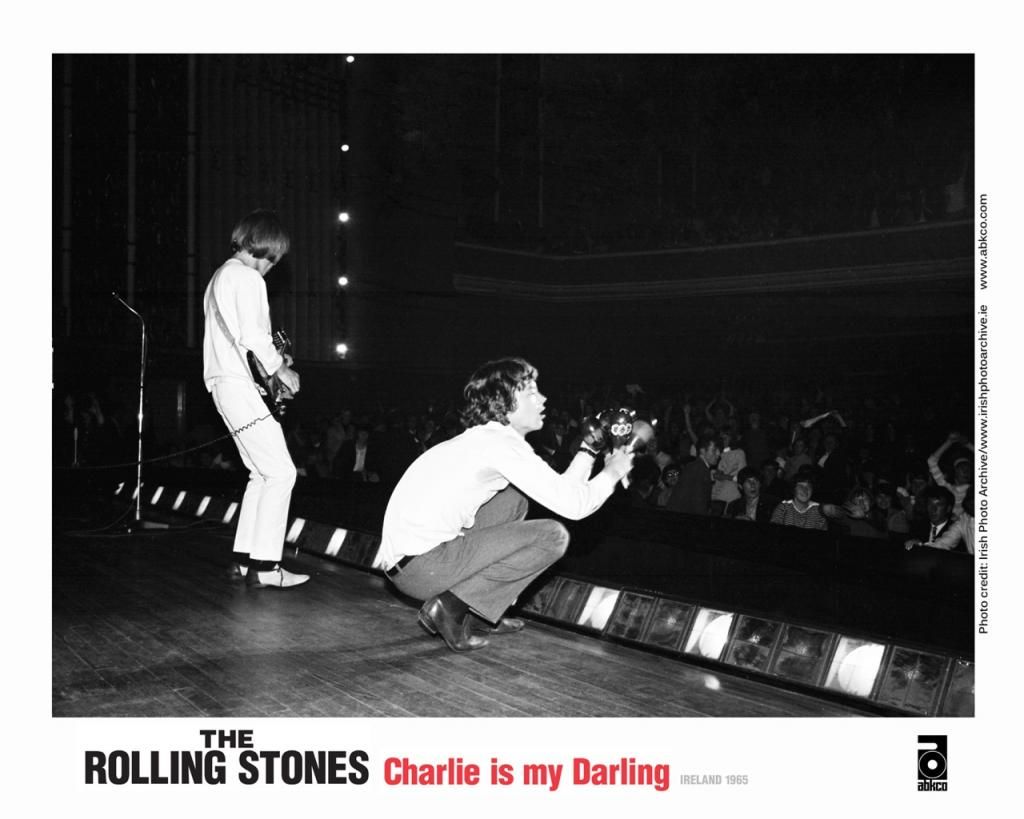
The Rolling Stones – Charlie Is My Darling – Ireland '65 (Peter Whitehead, Mick Gochanour, 2012)

In spite of the controversy over The Rolling Stones’ overpriced tickets for the 50th anniversary concerts and the banality of the specially commissioned documentary, Crossfire Hurricane, this first rate rockumentary, in its truth-revealing, aggression and humor can only be compared to Don’t Look Back. While the official Crossfire Hurricane shows Stones in a sloppy collage of famous films we have already seen - without daring to include any explicit footage from the dark side of the band in Cocksucker Blues - this cine-vérité piece serves the purpose in explaining "How Stones" or "Why Stones: as a brilliant portrayal of five naïve people, growing fast and transitioning from blues covers to strong personal statements about sex and death.


3
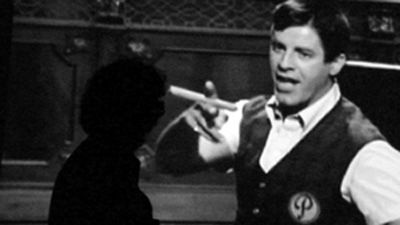
Jerry and Me (Mehrnaz Saeed-Vafa, 2012)

Not only a master class on the art of Jerry Lewis, but a highly confessional autobiography of an Iranian-American woman who, adoringly, sees her life projected in the films of a Jewish American comedian.


4
Reconversão (Thom Andersen, 2012)

A pleasant portrait of the Portuguese architect, Eduardo Souto de Moura whose fascination with ruins and transforming them into modern buildings is the main theme of his works, as well as this film's. Anderson, deliberately, avoids interviewing Souto de Moura till nearly the end of the film, but, still, the Andersen’s autonomy and personal vision allows him to draw an accurate plan of the architect’s thoughts and methods without limiting the outcome to direct statement from Souto. At the end, and after 65 minutes of still shots from Souto’s architectural works, the film, nearly, implies that Souto is a passionate Mies van der Rohe who idolizes Miles Davis and Ahmad Jamal.


5
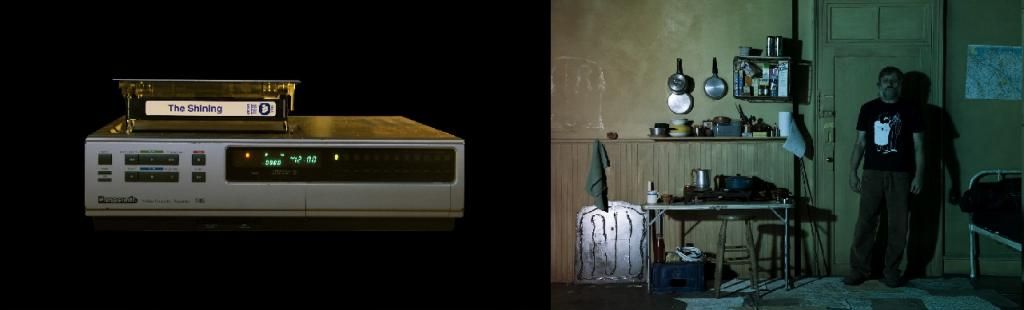
The Pervert's Guide to Ideology (Sophie Fiennes, 2012) + Room 237 (Rodney Ascher, 2012)

If you take them as comedies, you’ll find them hilariously enjoyable. If you take them as dramas, you’ll have a chance to see the dark side of film studies and cinephilia in the age of digital. In both cases, it’s difficult to stay unimpressed with the massive comedy potentials of Slavoj Žižek and also those who have found a new Messiah in Kubrick.

Friday, 4 January 2013

Ceaușescu's Last Action Hero

Sergiu Nicolaescu

Sergiu Nicolaescu died yesterday at 82. Here, I pay tribute to one of my first movie stars and heroes, who enjoyed massive popularity in Iran.


In June 1989, Ayatollah Khomeini, the leader of the seemingly never-ending 1979 revolution, died at 86. Among the few Western politicians who bothered to travel to Tehran to pay homage to the deceased Ayatollah, in his recently built and quickly expanding tomb (or more likely, shrine), was a short man wearing a tie. Seeing a European statesman—even from the eastern side of the continent—was a rare sight in those days. The country had just signed a treaty with Iraq after eight years of exhaustive war and was totally isolated. All Western countries were backing Saddam Hussein.

Being a curious child, I asked my father who that man was. My father, probably thinking that the concept of a Romanian president might be too abstract for me, answered: “He is the president of Inspector Moldovan’s country.” The answer was solid enough for someone whose movie hero happened to be from Romania: director, actor, and producer Sergiu Nicolaescu.

Tuesday, 25 December 2012

The 56th London Film Festival (October 2012)

گزارش پنجاه و ششمين فستيوال فيلم لندن
آزادي و اسارت
احسان خوش‌بخت

پاپ كورن
فستيوال فيلم لندن، در پنجاه و ششمين دورۀ خود، هنوز يكي از معتبرترين «جشنوارۀ جشنوارها»ست كه بهترين‌هايِ كن، برلين، ونيز و ساندنس را به اضافۀ نمايشِ افتتاحيۀ چند فيلم مهم اروپايي و انبوهي توليدات داخلي در يك دورۀ فشرده عرضه مي‌كند. اين سرمشقِ اغواكننده كه بهمني از انبوهِ فيلم‌ها و فيلم‌سازان است سرمشقي شده براي نمونه‌هاي مشابه مانند فستيوال فيلم تورنتو، اما از نظر تعداد فيلم‌هاي نمايش داده شده و تنوع آن‌ها لندن هم‌چنان در سينماي اروپا نمونه‌اي بي‌رقيب قلمداد مي‌شود.
امسال، كارگردانِ تازۀ فستيوال، خانم كلر استيوارت از استراليا، خواب ديگري براي لندن ديده بود. او اولاً قصد داشت وجهۀ كم‌تر مورد توجه قرارگرفته بازار فيلم را در اين شهر احيا كند كه به اين منظور هاروي وينستاين در شهر مي‌پلكيد و درباب اقتصاد فيلم سخن سر مي‌داد و تصميم ديگر او اضافه كردن بخش رقابتي براي فيلم‌هاي اول، فيلم‌هاي غيراول و آثار مستند بود كه جوايزش با نام بزرگان سينماي بريتانيا نام‌گذاري شده بود. البته تغيير كوچك ديگري هم دركار بود و آن دسته‌بندي فيلم‌ها بر اساس احساساتي كه فيلم‌ها بر آن بنا شده‌اند، مثل «جرأت»، «هيجان»، «خنده» و همين‌طور فيلم‌هاي كالت و فيلم‌هاي دربارۀ موسيقي كه اين دسته‌بندي‌ها جُز به سينماكشيدن دستۀ كوچكي از تماشاگران كه بخواهند با احساساتشان «بازي» شود كاركرد ديگري ندارند و حتي به نظر من جلوه پيش و پا افتاده‌اي به سينما مي‌دهند. عامه‌گرايي استيوارت پاسخ درخوري گرفت و امسال آمار بازديدكنندگان جشنواره 12 درصد بالاتر از سال گذشته بود. تيزر جشنواره كه دختر جواني را لميده بر صندلي قرمز سينما در حال بلع پاپ‌كورن شكار كرده بود مي‌توانست باعث آزار تماشاگراني شود كه با خودشان فكر مي‌كردند بعد از 56 سال حالا لندن بايد مدلي هاليووديِ را انتخاب كند (آيا تيزر فستيوال ديگري را مي‌شناسيد كه در آن پاپ‌كورن نقش داشته باشد؟). اما اگر واقعاً آن دختركِ تيزر جشنواره و احساسات مختلفي كه با بازيِ بد و آماتوري‌اش نشان مي‌داد باعث جلب 12 درصد بيش‌تر مخاطبان شده، نه تنها هيچ اعتراضي به استيوارت وارد نيست بلكه حتي بايد از او تشكر كرد.

Wednesday, 19 December 2012

Film Ads in Iran#28: Italian Sex Comedies


In Iran of the 1970s, sex comedies, as well as martial art films, were drawing huge number of people to the movie theaters. The cinema whose main attractions were Lando Buzzanca (picture above), Bruce Lee and Barbara Bouchet soon changed the way Iranian filmmakers of the Pahlavi era saw their films. They felt something was missing, so cartoonish violence with prehistoric sound effects (produced by smashing pumpkins!) and more reckless sex scenes found their way into Iranian cinema. This new trend, soon, was crushed with a popular revolution which one of its objections was obscenity and prostitution of the movies. The same crowd who made long queues to see Bouchet's naked breasts (picture above) started to burn down the theaters. Here I have included some original newspaper advertisement for Italian sex comedies, shown in Iran with titles as stupid as The Nymphomaniac Woman and the Frigid Man or The Shy Priest and the Voluptuous Woman:

Tuesday, 18 December 2012

Life...Replaced by Fresh Corpse


LIFE ... REPLACED BY FRESH CORPSE
Thomson's “Have You Seen...” Reviewed

A noir report of “Have You Seen…?”: A Personal Introduction to 1,000 Films by David Thomson (Alfred Knopf, 2008) from Noir City Sentinel, Summer 2010.

“The suspense is tender, mocking, ironic, the violence is performed, and the outbursts of passion are like phrases of music, nearly.” With these line on The Woman in the Window (1944), David Thomson leaps into the world of film noir in his colossal “Have you seen…?”: A Personal Introduction to 1,000 Films. Though he doesn’t enjoy using the term “noir” regularly, he relies on the themes that stake out the territory. 

Thomson resuscitates noir’s elusive moments by depicting shots, moods, sequences, seductions — even smells. (“You can smell the sweat, the greasepaint, and the cheap perfume” in Quai des Orfevres (1947), or in The Killing (1956), “You smell Marie Windsor’s lipstick and Elisha Cook’s flop sweat.”) In his notes on William Wyler’s The Letter (1940), Thomson alludes to the theme which can open the main door to the world of noir nightmares and doubts: “desire(s) can wreck every civilized system,” and later, he suggests “we should recognize at the outset that this is chiefly because [it's] a medium that releases pent-up or taboo longings. Nowhere has it been more persuasive or insidious than in affecting out attitudes to crime and love.”

Tuesday, 11 December 2012

A Portrait of Mark Cousins, Part II

پرترۀ مارك كازينز، بخش دوم
اتاق سفيد، پردۀ سياه
احسان خوش‌بخت

به دم درِ آپارتمان مارك كازينز با معماري جورجين كه بايد بيش از دويست سال قدمت داشته باشد رسيده‌ايم. روي تكه كاغذي با دست نوشته شده 4-Way Pictures كه نام شركتي فيلم‌سازي است كه با رابرت كارلايل، هنرپيشه اسكاتلندي فيلم‌هاي كن لوچ و دني بويل كه با كمدي درخشانِ فول مانتي (1997) مشهور شد، راه انداخته. آن‌ها تهيه فيلمي از جان سِيلز را در كارنامه دارند.
در كه باز مي‌شود بر خلاف ظاهر سرد و سنگي ساختمان، محيط آپارتمان يك دست سفيد و كفِ چوبي‌اي كه زير پا خم و راست مي‌شود مثل نسخۀ قرن هجدهمي خانۀ ديويد همينگز در آگرانديسمان به نظر مي‌رسد. اتاق كار او اتاق بزرگ سفيدي است با سقفي بسيار بلند (براي گرفتن بيش‌ترين ميزان نور در سرزميني هميشه باراني) كه سه ضلع آن از كف تا سقف مملو از كتاب‌ها و دي‌وي‌دي‌ها و انواع و اقسام فرمت‌هاي سينمايي و ويدئويي تازه و فراموش شده است.

Friday, 7 December 2012

A Portrait of Mark Cousins, Part I


پرترۀ مارك كازينز، بخش اول
سسيل دميلِ بايسيكل‌ران
احسان خوش‌بخت

بعد از پنج ساعت لغزيدن در چشم‌اندازهاي سرزمين‌هاي مياني انگلستان كه زير بازي ابرها و خورشيد مثل نقاشي‌هاي تِرنر هر لحظه رنگ عوض مي‌كنند و هر دقيقه به تابلوي تازه‌اي بدل مي‌شوند كه چشم‌ها را وادار مي‌كند به خيره شدن به مراتع، درياچه‌ها و درياي آرام و ساكنِ شمال، قطار در ايستگاه وِيوِرليِ شهر ادينبورو آرام مي‌گيرد. مسافران با شتاب، كه از خصلت‌هاي ملي در اين‌جاست، چرخ چمدان‌ها را روي زمين به گردش درآوردند و از اعماقِ ايستگاه به سوي بالا به تكاپو مي‌افتند.
بالا آمدن از ايستگاه درست مثل وارد شدن به دنيايي است كه والت ديزني در قرن هفدهم ساخته باشد: قصرهاي سنگي با سنگ‌هايي كه زير شلاق باران‌هاي شمالي و هواي بي‌ترحم سياه شده‌اند. سبزيِ درخشاني كه در آن تك‌تك برگ‌ها، شاخه‌ها و جوانه‌هايش ديده مي‌شود. انتهاي خيابان‌هاي عريض به تپه‌ها و صخره‌هاي غول‌پيكري منتهي مي‌شوند كه روي هر كدامشام قصري مثل گربه‌اي تنبل كه سر زانوي صاحبِ صبورش خوابش برده جاخوش كرده است.

Tuesday, 6 November 2012

The Night Watchman: Rivette and Daney


Serge Daney In English blog which, as it title suggests, is dedicated to the preservation of Daney's memory and tracing the English translation of his work has blogged this two-part video of Clair Denis' film about Jacques Rivette, made for French TV's invaluable Cinéma de notres temps program. For anyone interested in Rivette, Daney or Denis, this real gem deserves a watch.

Production of  Cinéma de notres temps, originally named Cinéastes de notre temps started in 1964 and each one hour long episodes was delivering a portrait of a contemporary, or occasionally past filmmaker, in a cinematic style close to what that particular filmmaker had done in his or her films. I recently learned that 18 of these films are available on DVD, here.

(Iranian national TV, back in the 1990s, brought some of the episodes of  Cinéma de notres temps, Bresson, Scorsese and Renoir among them.  For me, watching them was like watching all those director's oeuvres in one hour. I'm not completely sure, but I think Rivette film was broadcasted too, the only problem was that I probably didn't know who Rivette was!)

Friday, 2 November 2012

Last Thoughts On Peckinpah


آخرين يادداشتهاي پالين كِيل دربارۀ سام پكين پا:
شكوه والاي فيلم‌سازي

مقالۀ پيش رو يكي از آخرين نوشته‌هاي به‌جامانده از خانم كيل، منتقد و مدافع بزرگ پكين‌پا از زمان بر دشت رفيع بتاز  (Ride The High Country) و يكي از دوستان نزديك اوست. چون در زمان نگارش اين مقاله (1999) بانوي سرسخت انتقاد فيلم هشتادساله و مبتلا به پاركينسون بوده، حرف‌ها در قالب گفت‌وگو طرح شده و چارلي ساتلو آن‌ها را پياده كرده است. ديدگاه كيل به پكين‌پا هم چون هميشه استثنايي است و اگر چه افسانه‌هاي نسبت داده شده به كارگردان ياغي را در هم مي‌شكند، اما در عين حال به شكلي تازه آن ها را تثبيت مي كند. رابطۀ كيل و پكين پا در زمان نمايش سگ هاي پوشالي (Straw Dogs) براي هميشه به پايان رسيد اما به گفتۀ خود كيل، از علاقۀ او به شاهكارهاي پكين پا هرگز كاسته نشد. اين مقاله را براي شمارۀ ويژه پكين پا در ماهنامۀ فيلم (شمارۀ 346) ترجمه كردم. مجموعه اي بسيار مفصل (طولاني ترين شمارۀ ويژۀ يك كارگردان در تاريخ چهارصد شمارۀ مجله) كه حاصل يك سال و نيم كار بود، دوره اي كه از رتروسپكتيو  فيلم هاي پكين پا در دانشگاه فردوسي مشهد آغاز شده و به چاپ شمارۀ ويژۀ كوچۀ سام انجاميد.
.                       .

Wednesday, 3 October 2012

The 55th London Film Festival (October 2011)

گزارشي از فستيوال فيلم لندن 12 تا 27 اكتبر 2011
ترديد‌ها در سالن انتظار
احسان خوش‌بخت

Occupy Cinema!
فستيوال فيلم لندن در آبان‌ماه 1390 به مدت دو هفته در نشنال فيلم تيتر و سالن‌هاي سينماي منطقه وست‌اِند رخ داد، اما سه ماه و نيم زمان برد تا اين گزارش‌گر خود را متقاعد به نوشتن اين گزارش بكند. با دادن اطمينان به خواننده كه اين گزارش از سر تنبلي نويسنده و يا پيشي‌گرفتن الويت‌هاي كاري ديگر به تأخير نيفتاده بايد گفت ريشۀ اين تأخير ترديدهايي دربارۀ خود سينما و ماهيت و ضرورت آن در جهان امروز بود؛ يعني عدم تناسب بين زمانِ حال و فيلم‌ها؛ عدم تناسب بين تاريكي سالن سينماي با هواي تهويه شده و صندلي‌هاي آبي تيره يا قرمز با ميدان سن‌پل (معادل آمريكايي جنبش تسخير وال‌استريت) و هزاران آدم كه شب‌ها و روزهايشان را در چادرهاي برپا كرده در دل اين ميدان مي‌گذراندند. بيننده سينما اگر نتواند اعتراض‌هاي جهاني به بحراني كه دامن‌گير زندگي آدم‌هاي عادي‌اي مثل من و شما شده را ببيند، چطور مي‌تواند دنياي پيچيده‌تر و پررمز و رازتر روي پرده را ببيند؟
هر روز به شكل شكنجه‌آميزي با اين پرسش آغاز مي‌شد: «چرا بايد بروم سينما؟»

Lupino’s No. 5 Checked Out

Sunday, 16 September 2012

Notes On Kathryn Grayson

به‌یادِ کاترین گِری‌سون

یكی از بزرگ‌ترین ایرادهای نوستالژی در ادبیات سینمایی این است كه نسل جدید تصور خواهد کرد بسیاری از فیلم‌های گذشته كه نویسنده‌های قدیمی با ستایش از آن‌ها یاد می‌کنند صرفاً به خاطر داشتن نقش مهمی در خاطره آنها و پیوند میان تجارب شخصی‌شان با هنر سینما حائز اهمیتند. اما بسیاری از این فیلم‌ها، خارج از این دنیای شخصی – كه فقط می‌تواند برای خود نویسنده قابل استناد باشد، و نه دیگری – هویتی مستقل دارند و تردیدی نیست اگر زمان و مكان مناسب برای دیده شدن‌شان توسط نسل جدید فراهم شود، بی‌برو برگرد بیننده‌های امروزی و طرفداران خود را خواهند داشت. 

Friday, 31 August 2012

Mark Cousins Interviewed

Mark Cousins in Bristol

AD-LIB ON MEXICO
An interview with Mark Cousins


After spending 5 or 6 years writing, filming and editing The Story of Film, and after a year of traveling around the world to show this epic 15 hour documentary about the history of innovations in cinema, Mark Cousins, the Irish film-maker, is back in Edinburgh, his home town, to show his latest film, What is This Film Called Love?

Made while touring The Story of Film, during a three-day stay in Mexico City without a plan, this is a love letter to Mark’s hero, Sergei Eisenstein, as well as to other things he likes (beer, the Telluride Film Festival, kids...) or dislikes (the Pope, capitalism, ...).

Mark simply calls it a film about the nature of happiness. However, this is also a film that shows the possibilities of film-making in the digital age, its excitement, spontaneity, and poetic rapture. The low-budget or, more likely, no-budget What is This Film... which has cost only £10, provokes more thoughts and provides more visual pleasures than most of the 200 million dollar films on cinema screens today. This westerner twin brother of Jafar Panahi’s This Is Not a Film ignores the boundaries of an art form, crosses them and then it elevates them in order to capture the essence of an era which is, supposedly, too elusive to put on celluloid, or to transfer from reality to the virtual world of digital.

READ THE INTERVIEW AT KEYFRAME


Trailer:


Wednesday, 29 August 2012

Notes on Joseph M. Newman

جوزف اچ لوييس: زندگي سالم در فيلم سالم

لوگان شهر بسيار كوچكي است در ايالت يوتا؛ از آن شهرهايي كه آمريكايي هاي قديم به آن «شهر يك اسبي» مي‌گفتند؛ متشكل از يك خيابان اصلي و چند رديف خانه در دو طرف خيابان. اما همين شهر كوچك در اواخر سال‌هاي 1960 صاحب سه سالن سينما بوده كه خوراك جمعيت عموماً دانشجوي آن را فراهم مي كرده اند. (یکی از دوستان ايراني در سال‌هاي 1960 در لوگان دانشجو بود و روايتش از ملال در اين ولايت هميشه برايم الگويي از جبر جغرافيايي در سر بردن حوصله آدمي تا حد مرگ بود. راه حل آسان بود: نزديكي به نوادا باعث مي شد تا ملال لوگان، شهر بسيار مذهبي مورمون‌ها، را با زياده روي در همه چيز در ايالت از خدا بي‌خبر و همه‌چيز آزادِ آريزونا جبران كنند.)
هفتصد و يازده اوشن درايو
اما دو نكته باعث شد كه نام لوگان را هرگز فراموش نكنم. اول و مهم‌تر از همه، اختراع اينترنت و آزمايش آن براي بار اول بين دو طبقه از دانشگاه يوتاست كه مسير زندگي من و شما را براي هميشه عوض كرد و دوم جوزف ام نيومن (متولد 1909)، كارگردان آمريكايي متولد لوگان، كه مسير زندگي كسي را عوض نكرد ولي چند فيلم درجه يك به تاريخ سينما اضافه كرد كه باعث مي شود امسال، صد سالگي او، نياز به يادآوري داشته باشد.

Wednesday, 8 August 2012

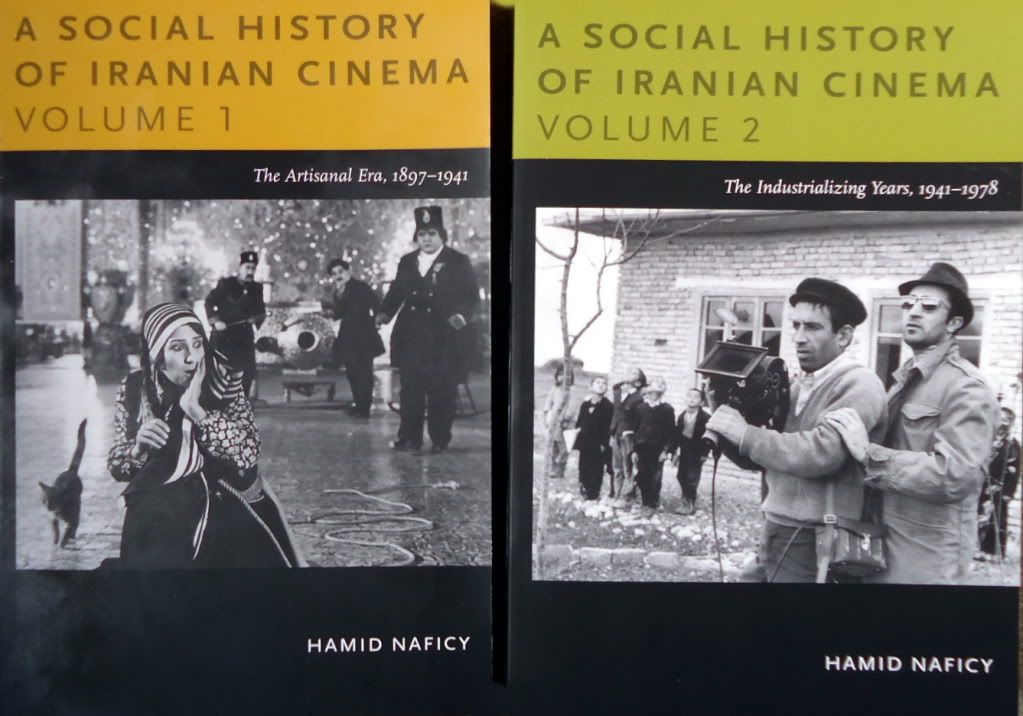
Review of the Social History of Iranian Cinema

يادداشتي دربارۀ كتاب «تاريخ اجتماعي سينماي ايران» نوشتۀ حميد نفيسي

باعث حيرت و افسوس است كه از يكي از نام‌هايي كه در مطالعات سينماييِ امروز بارها تكرار شده و در بسياري موارد (سينماي تبعيد، سينماي خاورميانه) صاحب يكي از رساترين و قابل اطمينان‌ترين قلم‌ها بين محققين سينمايي در هرجايي از جهان است، يعني حميد نفيسي، اين‌قدر كم در منابع فارسي صحبت شده؛ آدمي كه به شهادتِ كتابِ عظيمِ تاريخ اجتماعي سينماي ايران پيوندي عميق با فرهنگ اين كشور دارد.
حميد نفيسي يكي از سنگين‌وزن‌هاي نظريۀ سينماست. ممكن است اين هفته كتابي دربارۀ فيلم‌سازان مهاجر آلماني در پاريس سال‌هاي 1930 بخوانيد و هفتۀ ديگر كتابي دربارۀ مفهوم سينماي «فراملي» و هيچ‌كدام از اين آثار بدون ارجاع به نوشته‌هاي نفيسي مقصودشان را كامل نمي‌كنند. پروفسور نفيسي ميان هويت ملي خودش و هويتي كه بعدها با انتخاب سرزمين دومش، آمريكا، ساخته، پيوندي برقرار مي‌كند كه به او اجازه مي‌دهد درك ژرفتر و تصوير واضح‌تري از مفهوم «خانه به خانه شدن» در سينما به خوانندگانش بدهد.

Friday, 3 August 2012

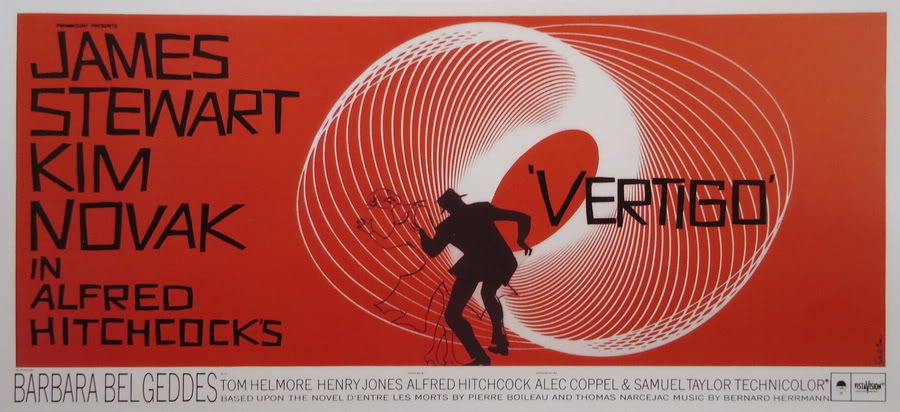
Guide to Vertigo Articles on This Blog

نتيجه راي‌گيري «بهترين‌هاي تاريخ سينما»ي مجلۀ سايت‌اندساوند، كه هر ده سال يك بار برگزار مي‌شود، اعلام شد و حالا فيلم برگزيدۀ منتقدان، بعد از پنجاه سال صدرنشينيِ همشهري كين، سرگيجۀ هيچكاك است كه در راي‌گيري ايراني سال 2009 در ماهنامه سينمايي فيلم قبلاً به صدر فهرست راه پيدا كرده بود. بررسي اين راي گيري و نتايج آن بماند براي بعد، اما از اين فرصت استفاده مي‌كنم براي معرفي منابعي كه در اين سايت، به زبان فارسي، دربارۀ سرگيجۀ هيچكاك وجود دارد:

Tuesday, 24 July 2012

Life of the Lifless: Gueule d'amour

TWO SEQUENCES FROM Gueule d'amour

Today’s “Image(s)” is from two sequences of Gueule d'amour, known in English as The Lady Killer. This story of a tragic love (a central theme for many poetic realist films of the 1930s) articulates Grémillon’s visual thinking, his style and his very peculiar way of representing the reality on screen. Two segments discussed here are from the short opening sequence, and a key sequence toward the end of the film which carry many similar spatial elements of the first.

The opening sequence: a text appears on the image and reveals the time of the story (1936) and the place (Orange). The music played on the credits, a string section flowing over a staccato-like orchestration of reeds, stops as the actual film begins. Still the duration of the shots and their juxtaposition follows the rhythmic pattern of the early score. The sense of unity within fragmented reality of the world arises from what has established during the credit and the very particular mood it has delivered.

Monday, 23 July 2012

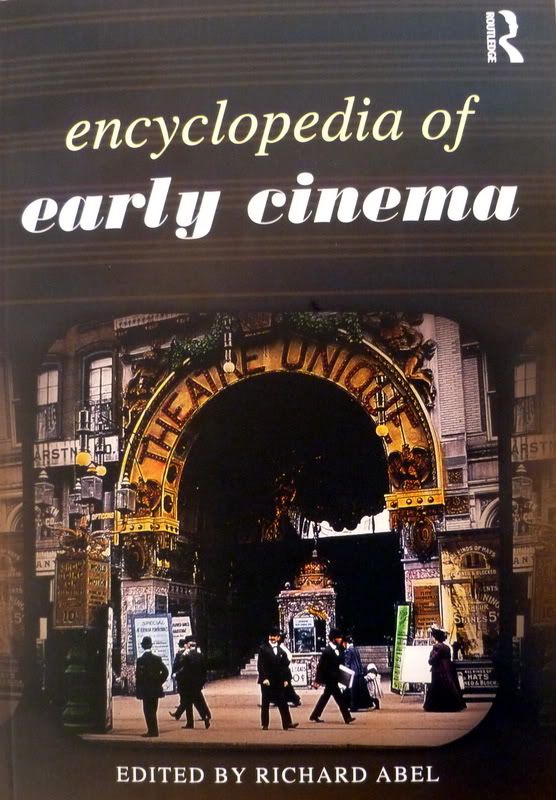
Review of the Encyclopedia of Early Cinema

كتابِ رؤياها
مکانیزم پیش‌برندۀ سینما معمولاً با رویا دیدن مقایسه شده است. در دوره‌هایی از تاریخ سینما، فیلم‌ها این مفهوم را به شکلی آگاهانه به کار گرفته‌اند، مثل سینمای تجربی مایا درن یا موزیکال‌های هالیوود در دهه 1950. اما دوره‌ای در تاریخ سینما وجود دارد که شباهتي اساسي و ناخودآگاه با رؤیا دارد؛ شباهتی که هم از ظاهر فیلم‌ها، هم از تکنیک فیلم‌ها و هم از جایگاهِ آن‌ها در متنی که 116 سال را به شکلی پیوسته به هم پیوند می‌دهد برمی‌آید. این دوره، سینمای اولیه است که فیلم‌های محو و پر از خط و پارگی و جهش‌های ناگهانی نور در آن‌ها به رویا می‌ماند. رنگ‌های دستی آن‌ها که چندان دقتی در اجرا آن در کار نبوده مثل موجودی زنده از کناره‌های اجسام و آدم‌ها بیرون می‌زنند و گویی آن‌ها را «مشتعل» نشان مي‌دهد. فیلم‌ها ساده، اما تأثیر روانی آن‌ها بر مخاطبِ زمان خود بسی فراتر و ژرف‌تر از تأثیر فیلمی مثل Inception بر مخاطب امروزی بوده است. فیلم‌ها برای اولین بار به جاهایی سرمی‌کشیده‌اند که تماشاگر اولیه حتی تصور آن را در خیال خود نمی‌کرده است. سینما برای عده‌ای مثل داستان ارواح یا نمایش اشباح روی پرده بوده و آن‌ها را به حدی می‌ترسانده، به هیجان می‌آورده و یا بی‌خواب می‌کرده که تنها می‌توانیم بگوییم تأثیر سینما بر مخاطب، به خاطر آگاهی او از مدیوم و حتی امروز تسلط او بر آن، دهه به دهه کاستی گرفته و در هر دوران از شکل رویاوارش دورتر شده است.

Monday, 16 July 2012

Jean Grémillon's Lumière d’été


"Something's Rotten in the State of Denmark": Motherland, Occupation and Resistance in Jean Grémillon's "Lumière d’été"

Monday, 9 July 2012

Notes on The Innocents (1961)

به‌مناسبت انتشارِ نسخۀ «بلو رِي» بي‌گناهان
وحشتي كه با خود همراه مي‌كنيم

در گذر عمر مفهوم وحشت تغيير مي‌كند. آن‌چه تا ديروز مايه هراس بوده، امروز مضحك به نظر مي‌رسد و چيزهايي كه ديروز كاملاً معمولي به نظر مي‌رسيده‌اند امروز آدم را مي‌ترسانند. در واقع وحشت‌هاي آدم با بالا رفتن سنش بيش‌تر و بيش‌تر مي‌شود. يكي از معدود فيلم‌هايي كه هر دو صورت وحشت را يك‌جا به ما عرضه مي‌كند، يكي از زيباترين و ناچاراً ترسناك‌ترين فيلم‌هايي كه در اين سال‌ها ديده‌ام، بي‌گناهان (1961) جك كليتون بوده است. اين فيلم ريشۀ وحشت را در خود ما جستجو مي‌كند. از يك طرف،درست مثل اوهام دوران كودكي وحشت در اين فيلم از رقص آرام يك پرده در نسيم نيمه شب يا بازيگوشي سايه‌ها و ترس از محيطي ظاهراً عادي كه در دامنۀ نامحدود تخيل كودك به جهاني سراسر اسرار و راز بدل مي شوند، باز مي گردد و از طرف ديگر زني را در چارچوب‌هاي خشك عصر ويكتورين مي‌بينيم، بدون همراه، بدون مرد و در ظاهر وقف آموزش دو كودك خانواده‌اي اعياني در قصري قديمي. اما چه كسي مي‌داند در دورن اين بانوي خوش سيماي با وقار – با بازي وراي تصور دبورا كر – چه مي‌گذرد؟ وحشت‌هاي بزرگ‌سالان از اين جا مي‌آيند.

Saturday, 30 June 2012

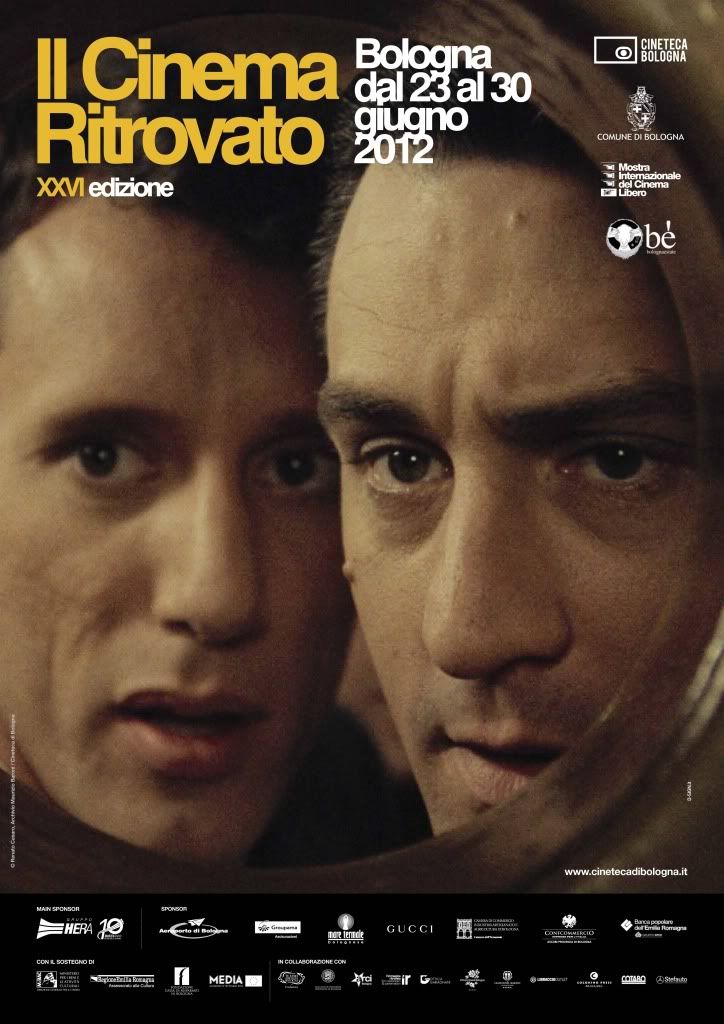
Il Cinema Ritrovato: XXVI Edizione

Reports from Il Cinema Ritrovato film festival in Bologna, Italy, held from 23 to 30th of June, 2012.

Cans of two silents, The Red Dance and The First Born, waiting for projection in the lobby of Cinema Arlecchino, Bologna.

Sunday, 17 June 2012

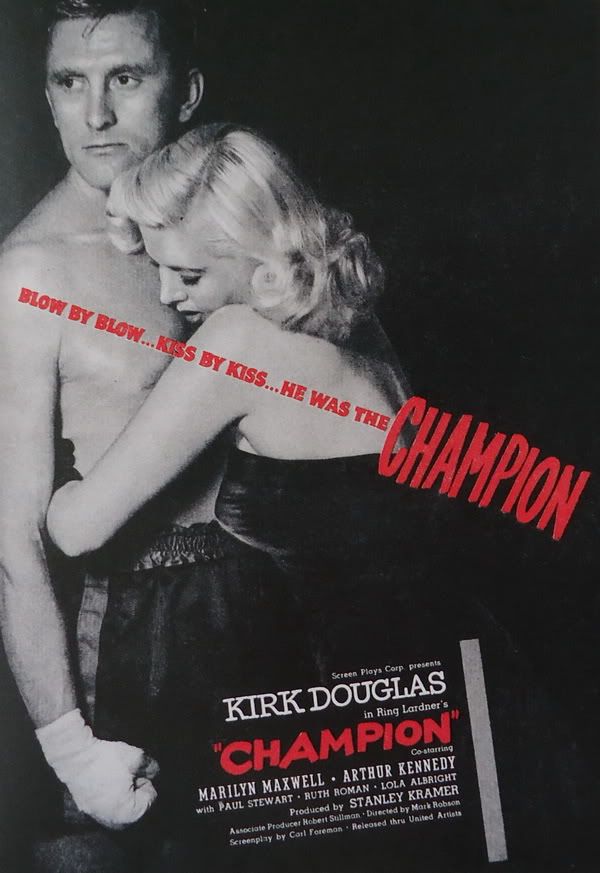
Saul Bass: Champion


A rarely seen poster for Champion (Mark Robson, 1949), designed by Saul Bass.

Thursday, 14 June 2012

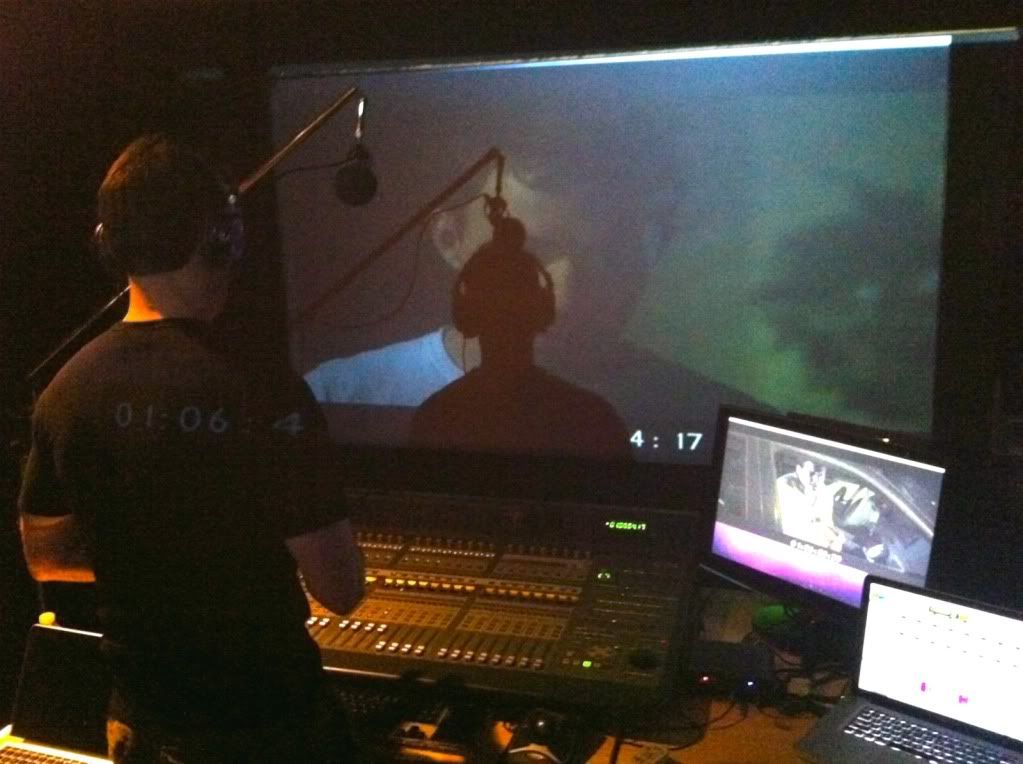
On Dubbing


اين مقاله به شكلي منطقي و روشن به بررسي زيان‌هايي مي‌پردازد كه از جانب دوبله متوجه روايت و يك‌دستي تجربۀ فيلم ديدن مي‌شود. تقريباً با همۀ ديدگاه‌هاي آن موافقم، منهاي كنايه‌اش به بعضي از قواعد غيررئاليستي سينما كه برخلاف ادعاي وات الزاماً بي‌معني يا پيش و پا افتاده نيستند.
مايکل وات متولد فيلادلفيا، استاد دانشگاه کلمبيا و استاد زبان انگليسي در اسپانياست. اين مقالۀ او در شمارۀ 29 مجلۀ قديمي و حالا فقط اينترنتي «برايت لايت فيلم ژورنال» (جولاي 2000) به چاپ رسيده است. ترجمه اين مقاله حدود شش يا هفت سال پيش براي شمارۀ ويژه دوبله در كتاب سال سينماي ماهنامۀ فيلم و به سفارش نيما حسني‌نسب انجام شده، اما به دلايلي كه حدس زدنش دشوار نيست نيما اين مقاله را در پرونده ستايش‌آميزش از دوبله استفاده نكرد. بعدها ماهنامۀ هنر در سال 1386 آن را چاپ كرد و اخيراً در يكي از اولين مجموعه‌هاي نسبتاً «ضددوبله» ادبيات سينمايي ايران در ماهنامه 24 تجديد چاپ شد. شخصاً بايد اعتراف كنم دوبله را به هيچ صورتي نمي‌توانم تحمل كنم و در حال حاضر كوچك‌ترين ضرورتي براي تدوام آن در سينما نمي‌بينم. البته سينماي تجاري مقتضيات خودش را دارد و هنوز مردم ترجيح مي‌دهم فيلم را دوبله شده ببينند تا با زيرنويس. همين‌طور مي‌توانم حدس بزنم اگر دوبله حذف شود بيش‌تر منتقدان سينمايي ايران كارشان را از دست خواهند داد، بنابراين بعيد است در سال‌‌هاي آتي بساط دوبله برچيده شود.

دوبلاژ و لطمه به تجربۀ سينمايي  
شما به زبان من حرف مي‌زنيد؟
مايکل وات      

بين دوستداران سينما امروزه توافقي کامل دربارۀ پديدۀ رنگ کردن کامپيوتري فيلم‌‌هاي کلاسيک وجود دارد و همه متفق‌القولند که اين عمل جنايتي در حق اثر هنري است. سينما دوستان، منتقدان و هنرمندان با هم صدايي کامل در اين مورد تقريباً ريشه اين کار دور از خِرَد را خشکانده‌اند.
همين‌طور جامعۀ سينمايي به مثله کردن فيلم‌هاي وايداسکرين براي عرضه ويدئويي يا نمايش در تلويزيون که اصطلاحاً Pan & Scan گفته مي‌شود و کادر اصلي فيلم را نابود مي‌کند اعتراضي يکسان داشته‌اند؛ يا کوتاه کردن زمان فيلم‌ها در پخش تلويزيوني براي قطع‌هاي مربوط به آگهي و جور کردن زمان برنامه‌ها و از اين دست لطمات.
همۀ اين کارها نابخشودني‌اند اما چيزي وجود دارد که از تمام اين موارد بدتر است و در آمريکا هنوز وجود دارد. اين گناه كبيره دوبله فيلم است.